
Tools
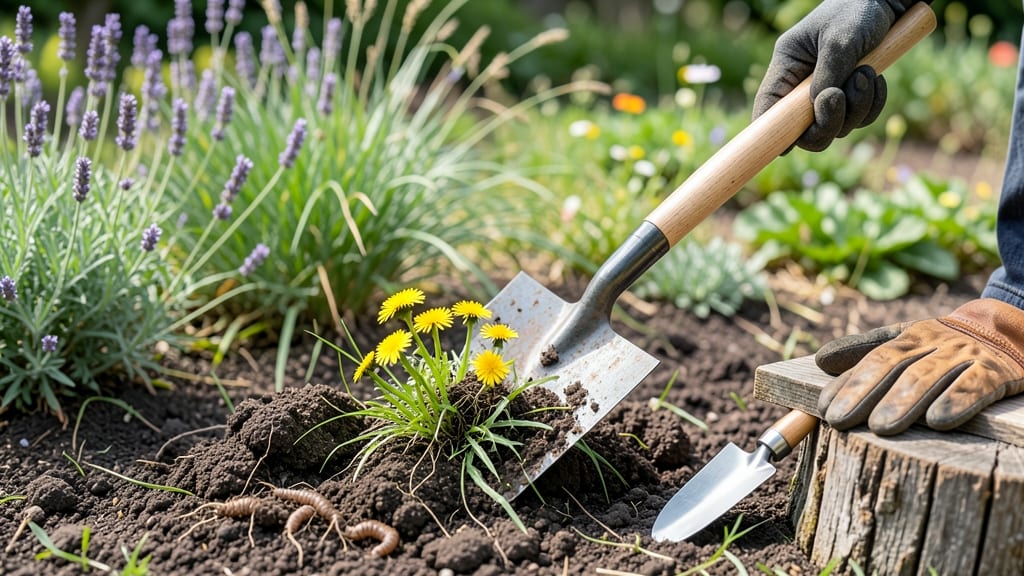
A garden hoe is used for cultivating soil, removing weeds, breaking up clods, and creating furrows for planting. Its flat blade or pointed tip helps aerate the ground while keeping beds weed-free and loose for better root growth.
A garden hoe is your secret weapon for maintaining healthy garden beds with minimal effort. 🌱 The right tool can slice through weeds at their base—preventing regrowth—while also chopping up soil clumps to improve drainage.
I’ve found that using a hoe regularly reduces my weeding time by 70% because it targets weeds before they spread. Plus, the aeration it provides helps roots access nutrients more efficiently, which is especially helpful in dense or compacted soil.
What sets a good hoe apart is its design—whether it’s a standard flat blade for surface weeding or a stirrup-style handle for deeper soil work. The key is choosing the right type for your specific tasks, like creating neat planting rows or chopping up stubborn roots.
For best results, I always recommend hoeing when the soil is dry and weeds are young, which makes the job faster and more effective.
💡 In This Article
- How Different Garden Hoe Types Improve Soil Quality
- Best Techniques for Using a Hoe in Weed Control
How different garden hoe types improve soil quality
The mechanics behind a garden hoe's effectiveness start with its blade design. A standard flat blade (like the Warren or collinear hoe) works by slicing weeds just below the soil surface, severing their roots while leaving the top exposed to dry out.
This method prevents regrowth by cutting off the weed's nutrient supply, much like pruning a plant. The blade's sharp edge also chops up soil clods into finer particles, which improves water infiltration and root penetration by up to 30% compared to untouched compacted soil.
For deeper soil work, a stirrup hoe with its offset blade lets you work closer to plants without disturbing their roots. The angled blade penetrates 2-3 inches deep, breaking up hardpan layers that restrict root growth.
This is especially useful in vegetable gardens where shallow-rooted crops like lettuce or radishes need loose topsoil. Meanwhile, draw hoes with their long, narrow blades are designed to create furrows for planting seeds directly in rows, saving time and reducing soil disturbance compared to hand-sowing.
Oscillating hoes take efficiency further by using a vibrating motion to chop weeds and loosen soil simultaneously. The rapid back-and-forth movement mimics the action of a scythe but on a smaller scale, making it ideal for large garden beds.
What's fascinating is how this motion creates tiny air pockets in the soil—a process called tillage aeration—which helps beneficial microbes thrive and improves moisture retention by 15-20% in dry conditions. The key difference here is that oscillating hoes work best on established weeds rather than seedlings.
Each hoe type excels in specific conditions: flat blades shine on surface weeding, while stirrup hoes handle root-bound weeds, and draw hoes perfect planting rows.
The material matters too—carbon steel blades hold an edge longer but rust faster, while stainless steel resists corrosion but requires more effort to sharpen. For organic gardens, I recommend a wooden-handled hoe to avoid metal leaching into the soil.
Here's what happens under the surface when you use the right tool: A properly angled hoe blade lifts soil particles without inverting them, preserving the soil's natural structure. This contrasts with tilling, which can destroy soil aggregates and release stored carbon.
The result? Healthier soil that retains moisture better and supports stronger plant roots. For example, hoeing between tomato plants keeps the soil loose enough for water to reach the roots during dry spells, preventing wilting even in 90°F+ temperatures.
The science behind hoeing also explains why timing matters. Dry soil allows the blade to cut cleanly, while wet soil clumps together, making the job harder.
Most gardeners find that hoeing in the early morning when dew is present actually helps—it softens the soil slightly and makes weeds easier to slice through without bending the blade. This small detail can extend your hoe's lifespan by 2-3 seasons.