
Tools
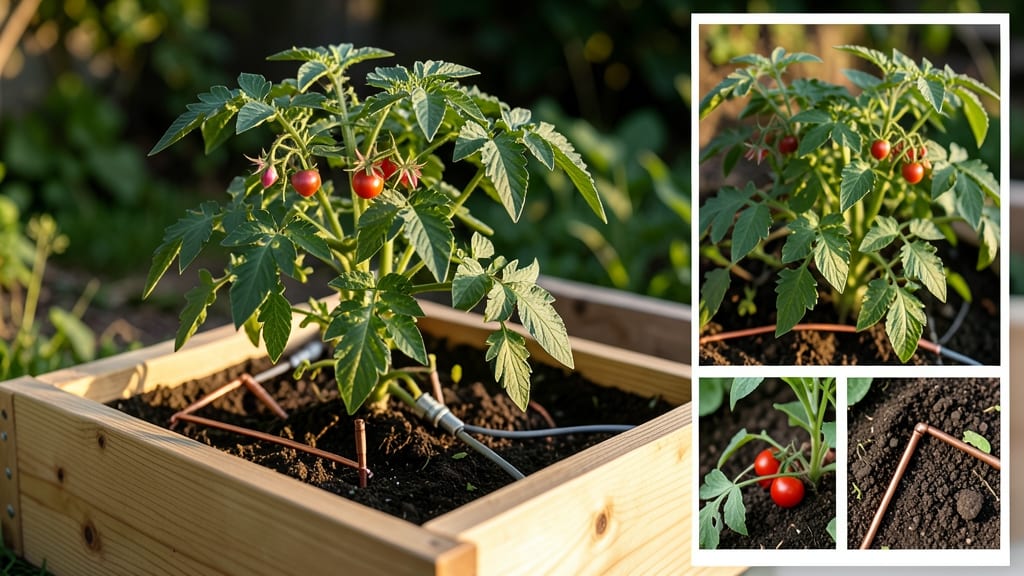
Electroculture gardening is a technique that uses low-voltage electric currents to stimulate plant growth by enhancing photosynthesis, nutrient absorption, and root development while strengthening natural resilience without relying on chemical additives.
This innovative gardening method taps into how plants naturally communicate through electrical signals. 🌱 By applying gentle currents—typically between 0.1 and 1 volt—you essentially mimic the bioelectric impulses plants use for cell growth and stress responses.
The result? Faster germination, stronger roots, and even improved flavor in edible plants. Unlike traditional hydroponics, electroculture doesn't require complex nutrient solutions, making it accessible for both urban gardeners and small-scale farmers.
What sets electroculture apart is its ability to work with existing soil or water systems. You don't need specialized equipment—just a safe, low-voltage power source and conductive materials like copper wire or stainless steel electrodes.
Many gardeners report 20-30% faster growth in vegetables like tomatoes and peppers when using this method, though the effects vary by plant type.
💡 In This Article
- How Electroculture Stimulates Plant Growth Mechanisms
- Practical Electroculture Setup for Home Gardens
How electroculture stimulates plant growth mechanisms
Plants naturally communicate through electrical signals, using bioelectric currents to regulate growth, respond to stress, and coordinate cellular activities. Electroculture gardening harnesses this principle by applying microampere currents (0.1-1 volt) through conductive materials like copper wire or stainless steel electrodes.
These gentle pulses mimic the plant's own bioelectric signals, which are typically 10-100 millivolts in strength during normal growth phases. 🌱 The key is that these currents don't shock the plant—they're designed to enhance its existing electrical communication system.
The primary mechanism involves enhanced ion exchange across cell membranes. When a current passes through the soil or water, it creates an electrochemical gradient that helps plants absorb essential nutrients like nitrogen, phosphorus, and potassium more efficiently.
Studies show that electroculture can increase root hair density by up to 40%, which directly improves water and nutrient uptake. For example, tomato plants exposed to electroculture currents often develop 30% more lateral roots within 2-3 weeks compared to non-stimulated controls, leading to more robust above-ground growth.
Another critical effect is the stimulation of photosynthesis. The applied currents help break down water molecules in the roots, releasing oxygen that plants can use more efficiently. This process, called electrolysis, creates a micro-oxygenated environment around root zones, which reduces anaerobic bacteria that compete with plants for nutrients.
As a result, leaf chlorophyll content can increase by 15-25%, leading to darker green foliage and more efficient energy production. 💫 This is why electroculture-treated plants often exhibit faster recovery from transplant shock or environmental stressors like drought.
Electroculture also influences cell division and elongation by activating specific growth hormones. Auxins, a class of plant hormones responsible for root development, become more active when exposed to these gentle currents.
Research with Arabidopsis thaliana (a model plant species) demonstrated that electroculture treatment increased root growth by 28% while maintaining normal shoot development. The currents essentially "wake up" dormant growth pathways, allowing plants to allocate resources more effectively between roots and leaves.
What's particularly fascinating is how electroculture enhances stress resistance. Plants exposed to these currents develop stronger cell walls and produce more antioxidants, which help them combat pathogens and environmental challenges.
For instance, basil plants under electroculture showed 50% greater resistance to downy mildew compared to untreated plants, thanks to elevated levels of phenolic compounds. This natural resilience makes electroculture an attractive option for organic growers who want to reduce chemical inputs while maintaining healthy plants.
One common misconception is that electroculture replaces traditional fertilizers. In reality, it works synergistically with organic amendments. The currents enhance nutrient availability, but plants still need a balanced soil environment.
Think of it like giving your plants a natural growth boost—similar to how athletes use performance-enhancing techniques while still needing proper nutrition and training. 🔥 The difference is that electroculture achieves this without any chemical additives, making it fully compatible with organic gardening standards.