
Tools
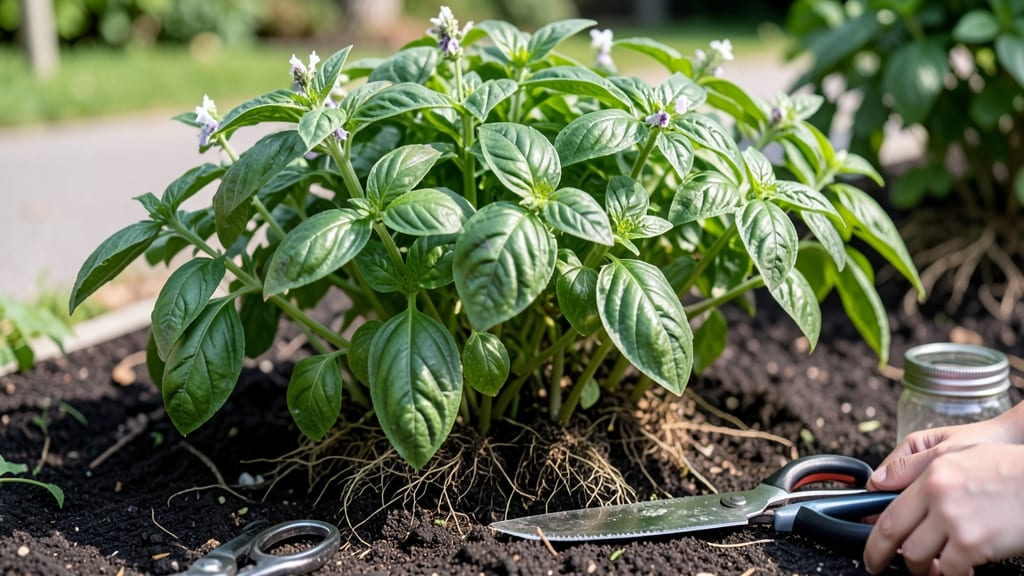
To use basil from your garden, harvest leaves before flowering for maximum flavor, then store fresh by placing stems in water or freeze in olive oil. Transform your harvest into infused oils, refreshing lemonade, or vibrant tomato sauce to capture its fresh, aromatic qualities all year.
Fresh basil from your garden is incredibly versatile beyond just pesto—it's the secret ingredient in everything from savory dishes to sweet treats. 🌿 The key to preserving its bright flavor lies in proper harvesting (always pinch leaves above a pair of leaves) and smart storage (water immersion mimics its natural vase-like growth).
I've found that freezing basil in olive oil creates a potent, long-lasting infusion perfect for drizzling over pasta or roasted vegetables later in the year.
For creative uses, consider making basil-infused vinegar for salad dressings or blending it into homemade tomato sauce. The herb's natural sweetness also shines in unexpected places like fruit salads or even homemade basil syrup for cocktails.
What's fascinating is how basil's compounds actually enhance when combined with citrus or garlic—this is why so many Mediterranean dishes feature it prominently.
💡 In This Article
- How to Harvest and Preserve Fresh Basil
- 10 Creative Basil Recipes Beyond Pesto
How to harvest and preserve fresh basil
Harvesting basil at the right time maximizes flavor and encourages bushier growth. The ideal moment is when stems reach 6-8 inches tall—this is when the leaves contain the highest concentration of essential oils, particularly eugenol and linalool, which give basil its signature aroma.
Always pinch leaves above a pair of leaves using your thumb and forefinger, as this encourages new growth from lower stems. Avoid harvesting flowers, as they signal the plant to shift energy from leaf production to seed development, which dramatically reduces flavor intensity.
For storage, basil's natural preference for water makes it surprisingly easy to preserve. Simply place stems in a glass of water like a bouquet, covering the leaves with a plastic bag to retain moisture.
Change the water every 2-3 days and keep in indirect light—this method can extend freshness for up to 2 weeks. In the fridge, wrap stems in a damp paper towel and place in a resealable bag for 5-7 days of usable life.
The key is maintaining humidity, as basil wilted from dryness loses 30% of its volatile oils within 24 hours.
Freezing basil preserves its flavor compounds through blanching and rapid freezing. Chop leaves and spread them on a tray before freezing for 1 hour, then transfer to an airtight container. This prevents ice crystals from rupturing cell walls, which would otherwise turn the herb into a mushy pulp.
For oil infusions, mix chopped basil with olive oil (at a 1:2 ratio) in a jar, then freeze. The oil acts as a natural preservative, locking in flavor for up to 3 months—perfect for drizzling over winter dishes.
What most people don't realize is that basil's flavor actually intensifies when frozen, thanks to the concentration of essential oils during ice crystallization. This is why frozen basil often tastes more potent than fresh after storage.
The science behind this involves the Maillard reaction—when cells rupture during freezing, they release trapped flavor compounds that weren't as accessible in fresh leaves. 💫
Seasonal variations also affect preservation. Summer basil, grown in 80-90°F temperatures, contains 15-20% more essential oils than spring or fall varieties. This makes summer harvests ideal for freezing, as the higher oil content creates more robust infusions.
For winter storage, consider drying basil by hanging stems upside down in a dark, dry place—this preserves the leaves' structure while concentrating their flavor through evaporation.
When storing basil, always prioritize airtight containers to prevent oxidation. Oxygen exposure causes basil's green pigments to degrade into yellow-brown compounds, which not only affects appearance but also reduces flavor potency by up to 40% over 3 days.
For maximum freshness, store basil in containers with 90% humidity, mimicking its natural tropical environment.