
Planting
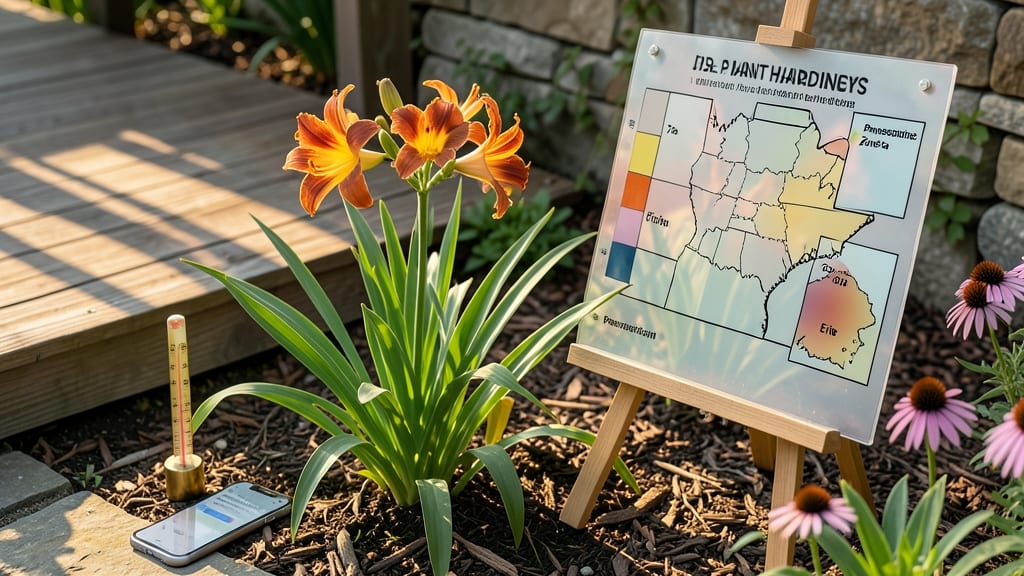
Pennsylvania's gardening zones range from USDA Zone 4 in the north to Zone 7 in the south, with most areas falling between Zones 5 and 6, affecting when you can plant and which crops thrive.
Understanding Pennsylvania's gardening zones helps you pick the right plants for your area. The state's varied climate means northern regions like Erie experience colder winters with Zone 4 conditions, while southern cities like Philadelphia enjoy milder winters in Zone 7.
These differences impact everything from frost dates to which vegetables you can grow successfully. For example, hardy kale thrives in Zone 4, while heat-loving tomatoes need the warmer Zone 6 or 7 conditions. 🌱
Even within the same zone, microclimates can create variations. A valley might stay warmer than a mountaintop, creating slightly different growing conditions. The USDA's 2023 updates also introduced more precise zone boundaries, which can help gardeners make more accurate planting decisions based on their exact location within Pennsylvania.
💡 In This Article
- Pennsylvania’s USDA Zones Explained: How Climate Affects Plant Survival
- Best Plants for Each Pennsylvania Gardening Zone: Zone-Specific Recommendations
Pennsylvania’s USDA zones explained: how climate affects plant survival
The USDA Plant Hardiness Zone Map divides Pennsylvania into distinct temperature-based regions, each with specific minimum winter temperatures that determine which plants can survive.
Zone 4, covering the northwestern corner near Erie, endures average winter lows of -30°F to -20°F, while Zone 7 in the southeast (Philadelphia area) only drops to 0°F to 10°F.
This 30°F difference explains why Zone 4 gardens need cold-hardy perennials like crocus and hellebores, while Zone 7 can support frost-sensitive citrus trees and bougainvillea with winter protection.
These zones directly correlate with last frost dates: Erie's Zone 4 typically sees its final spring frost around May 15, while Philadelphia's Zone 7 often warms up by April 15.
The transition zone (5-6) spans most of central Pennsylvania, where gardeners must wait until mid-April to early May for safe planting. Microclimates further complicate this - a south-facing slope might warm 2-3 weeks earlier than a shaded valley, allowing for extended growing seasons in specific spots.
The USDA's 2023 updates introduced half-zones (e.g., 5a vs 5b) that better reflect Pennsylvania's climate variability. For example, State College (Zone 5b) has slightly warmer winters than Johnstown (Zone 5a), creating 5°F differences in minimum temperatures.
These distinctions help gardeners select plants with ±5°F temperature tolerance ranges, like choosing Zone 5a varieties of apples or peaches for northern areas versus Zone 6 varieties for southern regions.
Understanding these zones affects more than just plant selection - it determines when to plant cool-season crops (like spinach in Zone 4's early spring) versus warm-season crops (like peppers in Zone 7's late May).
The 10°F rule applies: plants in Zone 4 need varieties that tolerate 10°F colder temperatures than those in Zone 7, creating a cascading effect on garden planning across the state.
What most gardeners overlook is how elevation modifies these zones. Mountaintop areas like Poconos (Zone 4) can be 5°F colder than nearby valleys, while urban heat islands in cities like Pittsburgh create Zone 6 microclimates despite being in Zone 5.
This explains why some gardeners in Zone 5 can successfully grow Zone 6 plants in protected microclimates.
For practical application, use the USDA Interactive Map to pinpoint your exact zone, then adjust by ±1 zone for microclimates.
This precision helps explain why your neighbor's garden thrives with certain plants while yours struggles - it might be a Zone 5a vs 5b difference or a 100-foot elevation change creating different growing conditions just blocks apart.