
Blooming
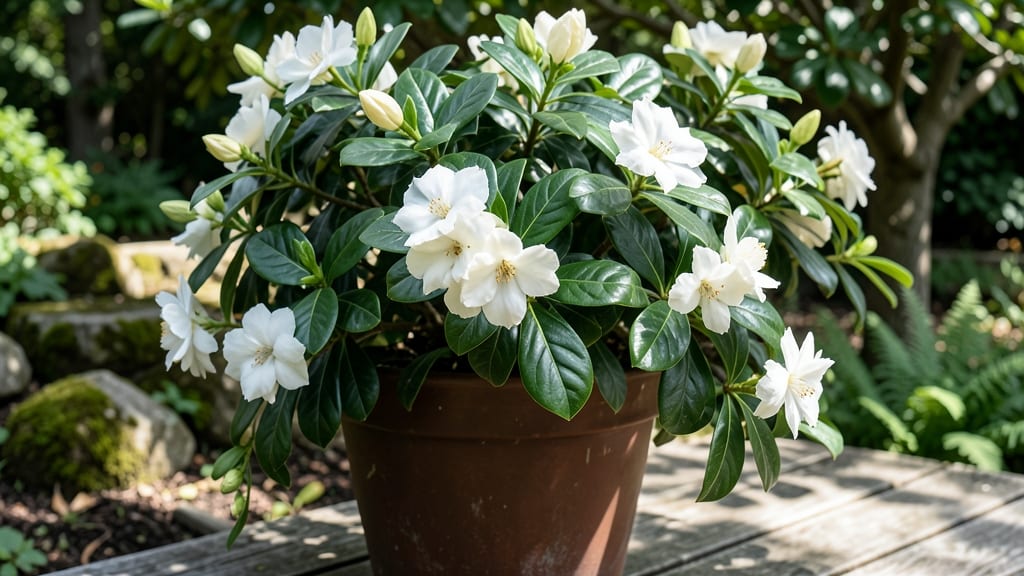
Gardenias flower in late spring to summer, but the exact timing depends on your variety and climate zone — and missing that window means missing their fragrant show.
Picture this: you’ve nurtured your gardenias all year, only to wake up one morning and realize the buds never opened. Or worse, they bloomed too early and faded before you could enjoy them. The right timing is everything, and it’s not just about the calendar—it’s about understanding your gardenias’ needs.
In this guide, I’ll break down the precise months when popular varieties like G. jasminoides and G. radicans burst into bloom, how your USDA zone can shift those dates by weeks, and the simple care tweaks that can extend your gardenias’ flowering season by 4–6 weeks.
You’ll learn how to read the signs (like leaf color and bud formation), adjust your pruning and fertilizer schedule, and even protect your plants from late frosts or heatwaves that can cut blooms short.
By the end, you’ll know exactly when to expect those intoxicating white blooms—and how to make sure they last.
Exact flowering months for popular gardenia varieties
Gardenias are famous for their creamy-white blooms and heavenly scent, but their flowering timing varies dramatically by variety. Knowing your specific gardenia type helps you anticipate when to expect those fragrant displays.
Most gardenias bloom in late spring to summer, but some varieties push the envelope with early or late-season flowers.
To predict blooming, watch for leaf color shifts and bud formation—healthy gardenias develop dark green, glossy leaves before buds form. Once buds appear, count back 4–6 weeks for peak blooms. In warmer climates, some gardenias even produce fall blooms if conditions are right.
| Variety | Flowering Months | Key Visual Cues | Notes |
|---|---|---|---|
| G. jasminoides 'Kleim's Hardy' | May–July | Bright green leaves, buds form in April | Cold-hardy to Zone 7 |
| G. jasminoides 'Radicans' | June–August | Dark green, glossy foliage, buds appear May | Climbing variety, needs support |
| G. augusta 'Veitchii' | April–June | Deep green leaves, buds form March | Early bloomer, tropical look |
| G. jasminoides 'Fortuniana' | July–September | Yellow-green leaves, buds appear June | Late-season bloomer |
| G. jasminoides 'Mystery' | June–August | Dark green, glossy leaves, buds form May | Fragrant, compact growth |
| G. jasminoides 'Kleim's Hardy White' | May–July | Bright green leaves, buds appear April | Cold-hardy, repeat bloomer |
| G. jasminoides 'Radicans Alba' | June–August | Dark green, glossy foliage, buds appear May | Climbing, white blooms |
| G. jasminoides 'Veitchii' | April–June | Deep green leaves, buds form March | Early bloomer, tropical |
| G. jasminoides 'August Beauty' | July–September | Yellow-green leaves, buds appear June | Late-season, heat-tolerant |
| G. jasminoides 'Prosperity' | June–August | Dark green, glossy leaves, buds form May | Fragrant, bushy growth |
If you’re growing gardenias in containers, their flowering may shift slightly due to temperature fluctuations. For example, G. jasminoides 'Radicans' might bloom a week earlier in containers placed near south-facing walls where warmth lingers. Always monitor your plant’s leaf color—stress (yellowing or wilting) can delay blooming.
For early bloomers like G. augusta 'Veitchii', start watching in late March for bud formation. These varieties often reward gardeners with April showers of flowers if given acidic soil and consistent moisture.
In contrast, late bloomers like G. jasminoides 'Fortuniana' may not show buds until June, with blooms appearing in July or August.
One pro tip: Prune spent blooms in late summer to encourage a second flush of flowers in fall. This works best for G. jasminoides varieties like 'Kleim's Hardy' and 'Mystery', which can produce secondary blooms if given the right care.
Just avoid heavy pruning after mid-July, as new growth won’t harden off before winter.
In warmer climates (Zones 9–11), gardenias may bloom year-round with proper care. However, even in these regions, summer heatwaves can cause buds to drop. To prevent this, provide afternoon shade and increase watering frequency during peak heat.
Mulching with organic matter also helps maintain soil moisture and root temperature
How climate Zones shift gardenia flowering timelines
Your USDA climate zone dramatically alters when your gardenias bloom. In Zone 7, for example, gardenias typically flower in late May through July, while in Zone 11, they may bloom year-round with peaks in spring and fall.
These shifts happen because gardenias are sensitive to temperature fluctuations, humidity levels, and even frost exposure, which can delay or accelerate bud formation.
Heatwaves in Zones 9–11 often trigger early blooming, sometimes as early as March or April, while Zone 7 frost risks can push flowering into June or July.
Humidity also plays a role—gardenias in southern Florida (Zone 11) may flower continuously, whereas drier climates in Zone 8 might see shorter bloom cycles. Understanding these patterns helps you time pruning and fertilizing for maximum impact.
Container gardeners face unique challenges because pots heat up faster than ground soil. If you’re growing gardenias in containers in Zone 8 or higher, expect blooms to start 2–4 weeks earlier than in-ground plants.
To delay flowering in hot zones, move containers to partial shade during peak summer months. In cooler zones like Zone 7, use black plastic mulch to warm the soil and encourage earlier budding.
| USDA Zone | Typical Bloom Window | Key Climate Factors | Microclimate Tips |
|---|---|---|---|
| Zone 7 | Late May – July | Frost risk delays blooms; needs warm soil | Use black mulch; plant near south-facing walls |
| Zone 8 | April – June | Moderate humidity; heatwaves can trigger early blooms | Provide afternoon shade in summer; water deeply |
| Zone 9 | March – May, Sept – Nov | High humidity extends bloom season | Prune after summer blooms; avoid overwatering |
| Zone 10 | February – April, Aug – Oct | Year-round potential with ideal conditions | Use 50% shade cloth in peak summer; fertilize lightly |
| Zone 11 | Year-round (peaks spring/fall) | High heat/humidity; minimal seasonal change | Monitor soil moisture; avoid root rot with well-draining pots |
In Zones 7–8, gardenias often need a winter dormancy period to reset their blooming cycle. If you notice buds forming too early in Zone 9 or higher, it could signal stress from heat stress.
To correct this, increase shade and reduce fertilizer during extreme heat. Conversely, in Zone 7, a late frost can kill buds entirely, so protect plants with burlap wraps if frost is forecasted during bloom time.
For container gardeners in Zones 9–11, choose terracotta pots to prevent overheating. Terracotta breathes better than plastic, helping roots stay cooler. If your gardenias bloom too late, try moving containers to a sunnier spot in early spring to jumpstart growth.
In cooler zones like Zone 7, group containers together to create a microclimate that retains warmth and encourages earlier flowering.
Regardless of your zone, always prune spent blooms to redirect energy into new buds. In Zones 7–8, do this after July 15th to avoid encouraging late-season growth that frost could damage. In Zones 9–11, prune lightly year-round to maintain shape and encourage continuous blooming.