
Fertilization
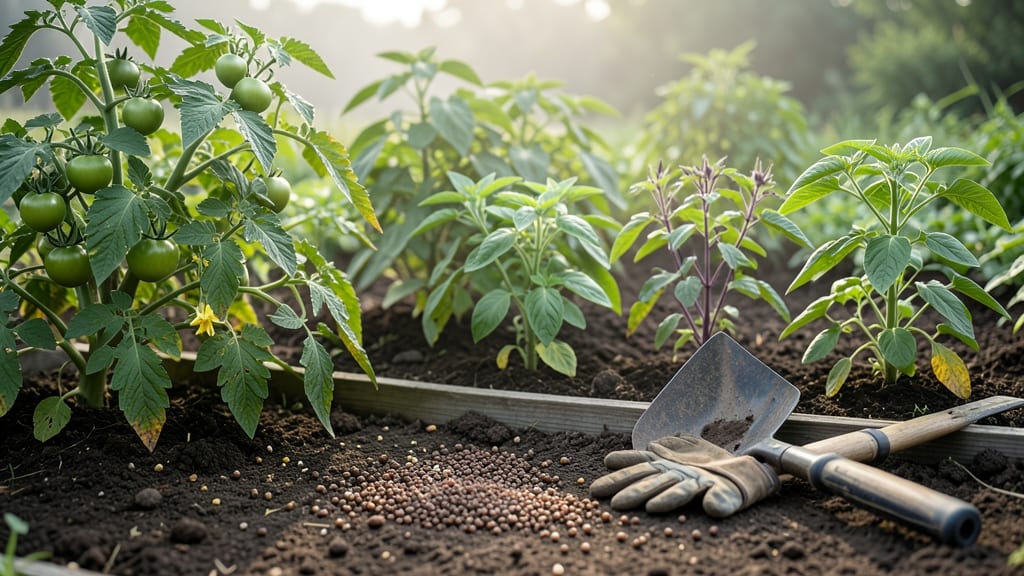
Fertilizing your garden at the right time is the difference between lush, productive plants and struggling ones that never quite reach their potential.
Timing your garden fertilization wrong can mean wasted money—or worse, stunted plants. But get it right, and you’ll unlock explosive growth, bigger yields, and healthier soil all season long.
For most spring-planted gardens in Zone 6a, the best time to fertilize is right after the last frost—around mid-April—when roots start actively growing. But vegetables like tomatoes and peppers need a second boost 4-6 weeks later, while perennials and lawns benefit from a lighter touch in early fall.
Below, I’ll break down the exact schedule by plant type, seasonal cues, and how to avoid overdoing it—so you can feed your 🌱 garden just enough to thrive.

Best fertilization schedule by season: spring, summer, fall, and winter guidelines
Timing your garden fertilization is like hitting a moving target—too early, and you waste nutrients; too late, and your plants miss out on critical growth boosts. The best fertilization schedule depends on your climate zone, plant type, and even the moon phase (yes, really!).
For most gardens in USDA Zone 6a, I’ve found that spring and summer are the powerhouses for feeding, while fall and winter demand a lighter touch—or none at all.
Think of fertilization as a three-act play: pre-planting (spring), mid-season (summer), and late-season (fall). Skipping any act can leave your garden underperforming.
For example, vegetables like tomatoes need a heavy feed in early summer to produce fruit, while perennials like roses benefit from a light fall feeding to store energy for next year. Let’s break it down by season so you never fertilize at the wrong time again.
⚠️ PRO TIP: Always water your plants before and after applying fertilizer to prevent root burn. I’ve ruined more than a few herb gardens by forgetting this step—don’t make my mistake!
Spring is your power season for fertilization. Once the last frost date (around April 15 in Zone 6a) has passed, it’s time to feed your soil. Start with a balanced fertilizer (like 10-10-10) when planting vegetables and annuals.
Then, repeat the feeding 4-6 weeks later to give them a growth boost. For perennials and shrubs, a slow-release fertilizer in early spring helps them establish roots before the heat sets in.
Summer fertilization requires precision timing. During peak heat (July-August), I avoid heavy feedings because plants struggle to absorb nutrients when stressed. Instead, opt for light feedings every 4-6 weeks with a low-nitrogen fertilizer (like 5-10-10) to encourage flowering and fruiting.
For leafy greens like lettuce, a nitrogen-rich feed (15-5-5) keeps them lush—but only in early summer or late summer when temps dip below 85°F.
Fall fertilization is often overlooked, but it’s crucial for perennials and shrubs. In early fall (September), apply a light feeding of compost or a slow-release fertilizer to help plants store nutrients for winter.
This is also the time to side-dress vegetables like carrots or beets with compost. Avoid fertilizing cool-season crops like spinach or kale in late fall—they’ll just bolt before winter sets in.
Winter is the off-season for fertilization. Most plants are dormant, and feeding them can burn roots or encourage weak growth that won’t survive frost. The exception? Evergreens and citrus trees, which need a light feeding in early winter (December) to sustain them through the cold months.
For everyone else, skip it entirely and focus on <
Fertilizing by plant type: when to feed vegetables, flowers, trees, and lawns
Not all plants need feeding on the same schedule—some like tomatoes and roses thrive with frequent, balanced nutrition, while others, like lavender or succulents, can suffer from too much fertilizer. The key is matching your feeding routine to your plant’s growth habits and seasonal needs.
Fast-absorbing fertilizers (like liquid feeds) are perfect for vegetables and annual flowers during their active growing phases, while slow-release granules work better for perennials and trees that need steady nutrition over months.
Over-fertilizing shows up as yellow leaves, leaf burn, or stunted growth, while under-fertilizing means weak stems and poor yields.
When Should I Fertilize My Garden?
✅ DO Fertilize When:
- 🌱 Spring: After last frost, when soil is 50°F+ and roots are active
- 🌿 Early Summer: For vegetables and flowers in full bloom
- 🌳 Early Fall: Light feed for perennials and lawns before dormancy
- 💧 After Rain: Soil is moist for nutrient absorption
❌ DON'T Fertilize When:
- 🌡️ Extreme Heat: Soil is 90°F+ (burns roots)
- 🌧️ Drought: Plants are stressed (wastes fertilizer)
- ❄️ Winter: Plants are dormant (no uptake)
- 🍅 Harvest Time: For vegetables like tomatoes (unless organic)
Pro Tip: Always water before and after fertilizing to prevent burn.
For vegetables, like tomatoes and peppers, I start with a balanced 10-10-10 fertilizer at planting, then switch to a high-phosphorus feed (like 5-10-10) when flowers appear. Leafy greens, however, prefer a low-nitrogen option (like 5-5-5) to avoid bitter leaves.
Flowers like roses and petunias love frequent feeding—every 2-3 weeks during bloom season—but lavender and succulents need almost nothing. In fact, over-fertilizing them causes leaf scorch or root rot. For these, a single slow-release application in spring is enough.
Trees and shrubs are the low-maintenance stars of the garden.
I fertilize them once a year in early spring with a slow-release granular (like 10-10-10) spread around the drip line. Lawns need a high-nitrogen feed (like 24-0-4) in early spring and fall, but avoid feeding during drought or heatwaves.
Watch for warning signs: Yellow leaves mean too much nitrogen, brown leaf tips signal over-fertilization, and stunted growth could mean under-fertilization. Adjust your schedule based on what your plants are telling you!