
Container Gardens
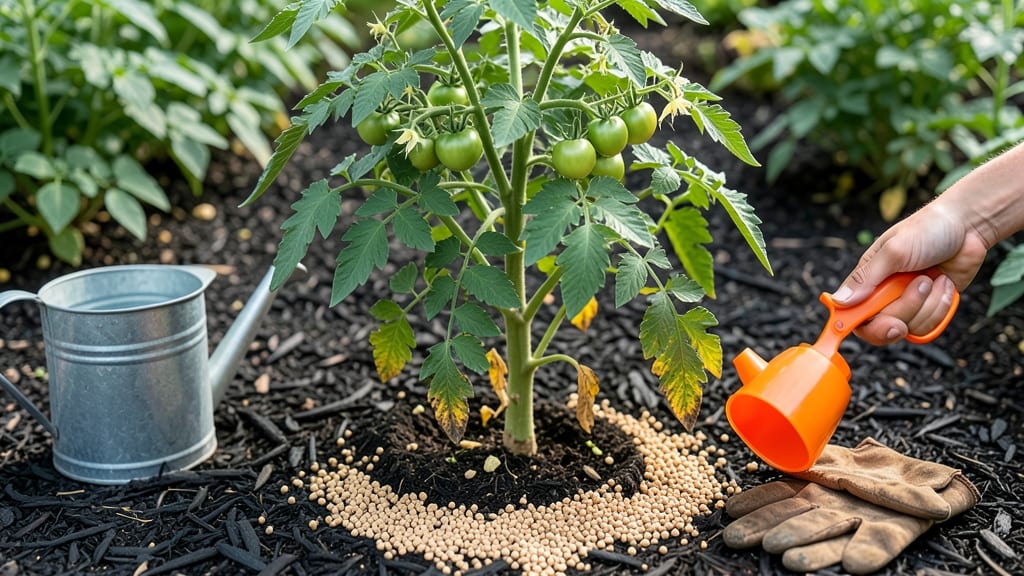
To add fertilizer to your garden, time applications based on soil tests and plant growth stages: feed in early spring before planting, mid-season for flowering plants, and skip late fall to prevent winter burn. Organic fertilizers break down slowly, so plan ahead for gradual nutrient release.
Timing matters because soil fertility fluctuates with seasons and plant needs.
A simple soil test reveals what nutrients your garden lacks—whether it's nitrogen for leafy greens, phosphorus for blooms, or potassium for root strength. 🌱 I've learned that over-fertilizing in fall can actually harm plants as they prepare for dormancy, while spring feeding jumpstarts growth when roots are most active.
For organic options, I recommend applying 4-6 weeks before planting to let nutrients stabilize in the soil.
Your local climate also plays a role—cooler regions may need an extra early spring application, while hotter zones might benefit from a second mid-summer feeding. The key is matching fertilizer type to both plant requirements and your garden's natural cycles.
For instance, tomatoes thrive with a balanced feed during flowering, while perennials often need just one spring application that lasts the season.
💡 In This Article
- How Soil Tests Determine Fertilizer Timing
- Seasonal Fertilizer Schedule for Common Garden Plants
How soil tests determine fertilizer timing
Soil tests reveal the chemical makeup of your garden's foundation, telling you exactly what nutrients are missing or in excess.
The three primary nutrients—nitrogen (N), phosphorus (P), and potassium (K)—each serve distinct roles: nitrogen fuels leafy growth, phosphorus supports root development and flowering, while potassium strengthens disease resistance.
A test also measures soil pH, which affects nutrient availability; for example, phosphorus becomes locked up in alkaline soils (pH above 7.5), making it unavailable to plants. 🌱
Test results translate directly into fertilizer timing. If your soil is deficient in nitrogen, a slow-release organic option like composted manure should be applied in early spring when plants are most active.
For phosphorus deficiencies, bone meal or rock phosphate works best in late winter before planting, as these take time to break down. Potassium deficiencies often show up in late summer when plants need extra strength, so a mid-season application of greensand or wood ash can help.
The key is matching the fertilizer's release rate to your plants' growth phases.
Climate zones add another layer to timing. In cooler northern regions, soil stays cold longer, so fertilizers should be applied earlier—sometimes as soon as soil is workable in early spring—to give nutrients time to activate before planting.
In warmer southern climates, a second mid-summer application might be needed to support continuous growth. For instance, tomatoes in Zone 9 often need a potassium boost in July to prevent blossom-end rot during peak fruiting. Always check your local frost dates and growing season length when planning.
Organic fertilizers add complexity because they decompose at different rates. Compost, for example, releases nutrients gradually over weeks, making it ideal for spring applications. Synthetic fertilizers, however, dissolve quickly and should be applied more precisely—like a balanced 10-10-10 feed during flowering.
The decomposition process also affects soil microbes; organic matter feeds beneficial bacteria that improve nutrient uptake over time. This is why I always recommend building soil health first—healthy soil means plants can access nutrients more efficiently, reducing the need for frequent feeding.
One common mistake is ignoring secondary nutrients like calcium, magnesium, and sulfur. These often show up in soil tests but get overlooked. For example, calcium deficiencies cause blossom-end rot in tomatoes, while magnesium deficiencies lead to yellowing between leaf veins.
Addressing these requires targeted amendments like gypsum (calcium) or Epsom salt (magnesium), applied according to test recommendations. The timing here is critical—calcium should be worked into the soil before planting, while magnesium can be foliar-sprayed during active growth.
Finally, remember that soil tests aren't static. Retest every 2-3 years, especially after heavy planting or if you notice nutrient deficiencies in your plants. For instance, heavy feeders like corn or squash can deplete nitrogen quickly, while perennials like berry bushes build soil fertility over time.
Adjusting your fertilizer schedule based on these tests ensures your garden gets exactly what it needs, when it needs it. 💫