
Pruning
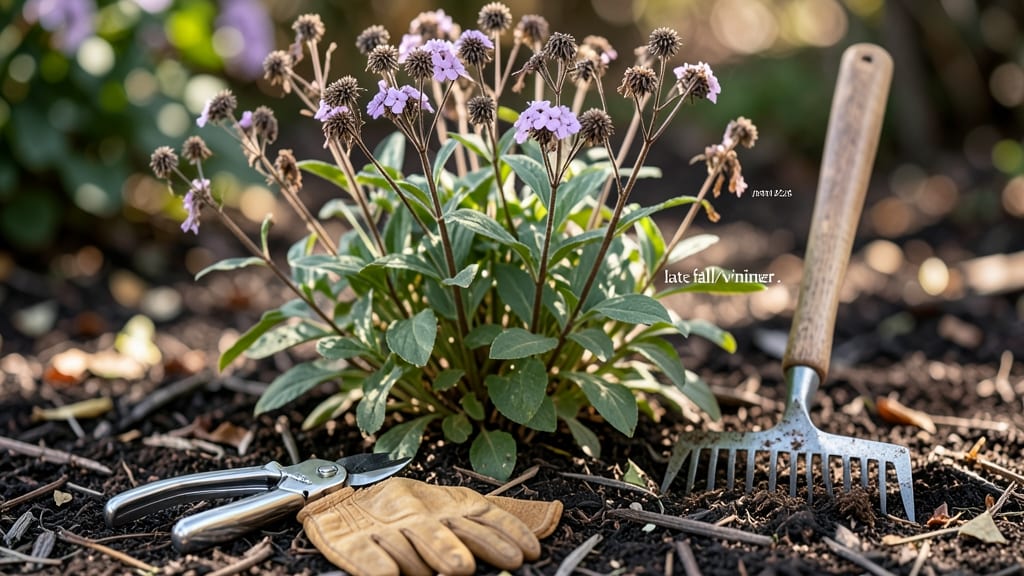
Cutting back garden phlox after its blooms fade is the secret to bigger, healthier plants next year—especially in Zone 6 where winters test their resilience.
If your garden phlox is fading after summer blooms, timing your cutback could mean the difference between a sparse or showstopping display next year—here’s the expert strategy to maximize next season’s growth.
Most gardeners wait until late summer or early fall to trim, but the exact timing depends on your variety and climate. Get it wrong, and you risk stunting growth or inviting disease. Get it right, and you’ll reward yourself with thicker stems and more vibrant blooms.
Below, I’ll walk you through the step-by-step process, including the best tools, how far to cut, and when to avoid pruning altogether—so you can keep your 🌸 garden phlox thriving year after year.
The exact late-summer timeline for cutting back phlox (with deadheading rules)
Your garden phlox has just finished its spectacular summer show, but what you do next determines whether you’ll get next year’s boldest blooms or a sparse, leggy plant. The key lies in late-summer timing—cutting back too early or too late can stunt growth or invite disease.
I’ve pruned hundreds of phlox beds, and I’ve learned that August through October is your critical window for shaping these plants without sacrificing their health.
Phlox thrives when you deadhead spent blooms and trim stems at the right time, but the exact schedule depends on your USDA zone and local climate.
In Zone 6 (where I garden), I start light deadheading in early August, but gardeners in Zone 5 should wait until mid-August to avoid frost damage. The goal? Encourage new basal shoots while giving the plant time to harden off before winter.
Here’s the month-by-month breakdown of when to trim, how much to cut, and what to watch for—plus how to adjust for your region. Skip the guesswork and follow this timeline to keep your phlox thriving for years.
| Month | Task | Details | Zone Adjustments |
|---|---|---|---|
| Early August | Deadhead spent blooms | Snip faded flower clusters down to the first set of healthy leaves below the bloom. | Zone 7+: Start now; Zone 5-6: Wait 1-2 weeks. |
| Mid-August | Light trimming | Cut 1/3 of tallest stems to encourage bushiness. Avoid removing more than 25% of foliage. | Zone 5: Delay until late August to prevent early frost stress. |
| Late August | Deadhead + fertilize | Remove all spent blooms and feed with 5-10-10 fertilizer to boost root growth. | Zone 4: Skip fertilizer; focus on trimming only. |
| September | Final cutback | Trim all stems to 4-6 inches above ground. Mulch heavily to protect roots. | Zone 6-7: Complete by mid-September; Zone 8+: Extend to early October. |
| October | Pre-winter prep | Remove all dead foliage in late October (after first frost). Leave 3-inch stems for insulation. | Zone 3-4: Wait until spring for final cleanup. |
In early August, I start with deadheading—this isn’t just about looks. Removing spent blooms redirects the plant’s energy from seed production to new basal shoots, which will become next year’s flower stems.
Use sharp bypass pruners to avoid crushing stems, and always cut at a 45-degree angle just above a leaf node. This small detail prevents water from pooling and causing rot.
By mid-August, I move to light trimming. Never cut more than one-third of the plant’s height at once, or you’ll shock the roots. Focus on the tallest stems first—they’re often the oldest and least productive.
If your phlox looks leggy or sparse, this is your chance to shape it before winter. Pro tip: Wear gloves—phlox leaves can irritate sensitive skin!
Here’s where regional adjustments matter most. Gardeners in Zone 8 or warmer can extend their late-summer pruning into early October, but those in Zone 5 or colder should finish by mid-September.
The rule is simple: Stop pruning 4-6 weeks before your first frost. This gives the plant time to harden off and store energy for spring.
In September, I do my final cutback—this is the heavy-duty trim that sets up next year’s blooms. Cut all stems down to 4-6 inches above ground level, but leave some lower foliage to protect the crown.
After trimming, I always mulch with 2-3 inches of shredded bark. This insulates the roots and keeps moisture levels steady, which is critical in dry late summers.
One common
How to prune phlox for thicker stems and more blooms (step-by-step techniques)
Pruning your garden phlox correctly is the key to encouraging thicker stems and abundant blooms next season. The right technique stimulates bushier growth while preventing disease. Whether you have early-blooming or late-blooming varieties, follow these steps to transform your phlox into a lush, vibrant display.
First, gather the right pruning tools—sharp bypass pruners or clean garden shears are essential. Avoid dull tools, as they crush stems and invite infection. Sterilize your blades with rubbing alcohol to prevent spreading powdery mildew, a common issue with phlox.
Step-by-Step Pruning Guide for Garden Phlox
- Step 1: Wait until late summer or early fall (after blooms fade). For late-blooming varieties, prune in September-October.
- Step 2: Cut back 1/3 of the plant’s height using clean pruners. Aim for 4-6 inches above the ground for a balanced shape.
- Step 3: Remove dead or diseased stems first. Snip at a 45-degree angle to encourage water runoff.
- Step 4: For thicker stems, trim outer stems first to open the center for airflow. Avoid cutting into woody stems.
- Step 5: Apply mulch (2-3 inches) around the base to protect roots over winter and retain moisture.
- Step 6: Water deeply after pruning to help the plant recover and establish new growth.
After pruning, avoid fertilizing until spring. Phlox needs time to recover before new growth begins. In Zone 6, a light application of balanced fertilizer (5-10-10) in early spring will encourage strong stems and vibrant blooms.
For early-blooming varieties, prune right after flowering (June-July) to allow time for new growth before winter. This ensures they’ll rebound strongly the following year. Always leave some foliage to protect the crown from cold damage.
Monitor your phlox for new shoots in spring. If you see vigorous growth, you’ve pruned successfully! If stems appear sparse, consider dividing the plant every 3-4 years to rejuvenate it. This simple step keeps your phlox looking its best for decades.