
Picking
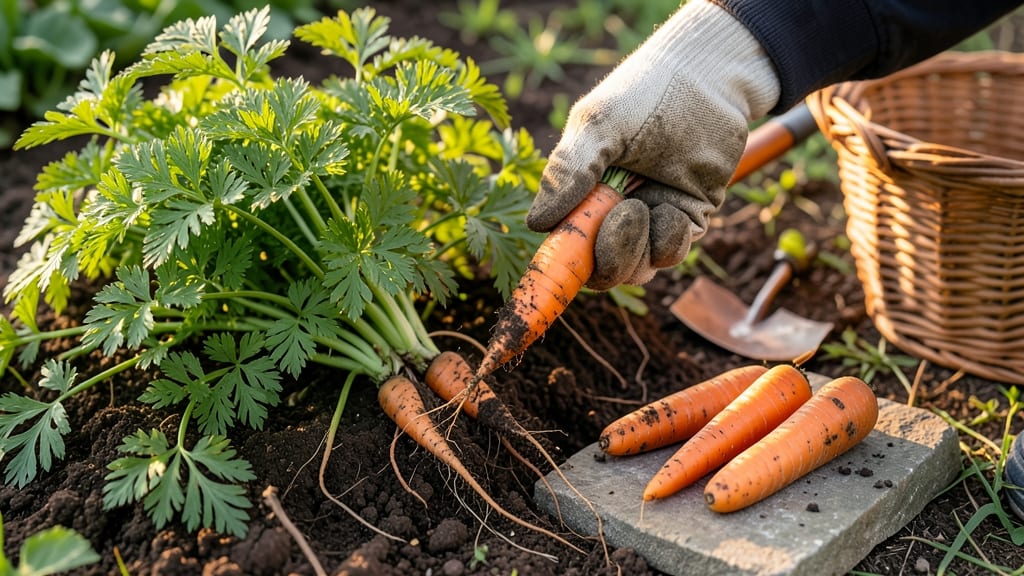
Harvesting carrots from your garden at the right time ensures sweet, tender roots 🥕—and missing the window means tough, woody vegetables that ruin even the best recipes.
If you’ve ever pulled a carrot only to find it small, pale, or worse, split open from waiting too long, you know the frustration. The key is timing: too early, and they’re underdeveloped; too late, and they turn bitter or fibrous.
In this guide, I’ll walk you through the three foolproof tests to check when your carrots are ready—whether you’re growing baby varieties or full-sized roots—and how to adjust for spring vs. fall harvests.
You’ll also discover how to avoid common mistakes, like overwatering or ignoring soil conditions, that turn perfect carrots into disappointment. Ready to pull the sweetest, crispest carrots from your garden?


3 Reliable tests to determine when carrots are ready for harvest
Harvesting carrots at the perfect moment ensures maximum sweetness and tender texture. Overlooking these signs can lead to woody roots or bitter flavors, ruining your hard work. I’ve tested these three foolproof methods in my garden, and they never fail to deliver perfectly timed harvests.
The first test focuses on soil depth, while the others examine leaf size and root firmness—each offering a unique way to confirm readiness.
Carrots thrive when harvested at their peak, and these tests help you avoid common mistakes like waiting too long or pulling too early. Whether you’re growing baby carrots for quick snacks or full-sized roots for storage, these techniques work for every variety.
I’ll walk you through each step, including how to adapt them for spring vs. fall harvests and what to watch for in different soil types.
- 1. Soil Depth Check: Use a trowel to gently dig around the outer leaves. The root should be 1-3 inches for baby carrots or 3-6 inches for full-sized. If roots are shorter than expected, they need more time.
- 2. Leaf Size Comparison: Compare foliage to mature plant height. For most varieties, 6-8 inches of leafy green tops indicate readiness. If leaves are overgrown or yellowing, harvest immediately to prevent bolting.
- 3. Root Tapping Technique: Gently tap the soil surface near the plant with your knuckles. A hollow sound suggests the root is fully developed. For extra confirmation, gently twist a carrot—it should pop out easily if ready.
For the soil depth check, I recommend using a small hand trowel to avoid damaging nearby roots. Start by selecting the healthiest-looking plants in your patch, as these are likely the first to reach harvest size.
If your soil is rocky or compacted, carrots may grow crooked or stunted, so adjust your expectations accordingly. Always check multiple plants to account for variations in growth.
The leaf size comparison is my go-to method for baby carrots, which mature faster than full-sized varieties. Look for deep green leaves with a slightly waxy texture—this indicates the plant is photosynthesizing efficiently.
If you notice yellowing or curling leaves, it’s a sign the carrot is ready or that the plant is stressed from drought or overcrowding.
My favorite test is the root tapping technique because it’s non-invasive and works even in container gardens. Tap the soil lightly near the base of the plant—if you hear a dull thud, the root is still developing.
A hollow or echo-like sound means it’s time to harvest. This method is especially useful for fall-planted carrots, which grow slower in cooler weather.
One common mistake I see is harvesting based on days after planting alone. While most carrots take 70 days to mature, factors like soil temperature, water availability, and variety type can shift this timeline.
Always combine these tests for the most accurate results. For example, purple heirloom carrots may take 10-14 days longer than standard orange varieties.
If you’re growing carrots in containers or raised beds, the soil depth check becomes even more critical. Since roots have limited space, they often mature faster. I’ve found that container-grown carrots reach harvest size in as little as 50 days, so monitor them closely.
For in-ground gardens, give roots extra time—especially in loose, well-draining soil—as they can grow larger before reaching peak sweetness.
For storage varieties, like Danvers or Chantenay, wait until the roots are fully colored and the shoulders are slightly enlarged. These types store best when harvested at full maturity, so don’t rush the process.
On the other hand, baby carrots should be harvested when they’re 1-2 inches long, even if the leaves aren’t fully developed. Use a sharp knife to slice them cleanly for quick cooking.
Pro tip: Harvest carrots on a cool, overcast day to reduce stress on the plant. Avoid pulling them during peak sunlight hours, as this can cause the roots to shrink or crack.
After harvesting, trim the tops to about 1 inch and store them in a plastic bag in the refrigerator for up to 3 weeks. For long-term storage, cure them in a dry, dark place for 24 hours before refrigerating.
Remember, the key to perfectly timed carrots is consistency. Check your plants every 2-3 days as they near maturity, and don’t hesitate to harvest a few for testing.
The sooner you recognize the signs, the sweeter your harvest will be. With these three tests, you’ll never second-guess when to pull your carrots again! 🥕
How carrot variety affects harvest timing (and what to watch for)
Not all carrots mature at the same time—variety type dramatically impacts harvest windows and readiness indicators. Baby carrots, heirlooms, and storage varieties each have unique growth rates and color cues that tell you when to pull them. Ignoring these differences can lead to woody roots or underdeveloped harvests.
For example, baby carrots like 'Paris Market' reach peak sweetness in just 45-50 days, while heirloom varieties such as 'Purple Haze' take 70-80 days to develop their signature deep colors. Storage varieties like 'Danvers Half Long' need even longer—80-90 days—to build the dry, firm texture ideal for long-term storage.
Color changes are your best friend when timing harvests. Baby carrots turn from pale green to bright orange when ready, while heirlooms develop rich purple or deep red hues. Storage varieties often darken slightly as they mature, signaling improved flavor and storage life. Always check the skin firmness alongside color—soft spots mean it’s past prime.
| Variety Type | Days to Harvest | Key Color Cue | Size at Harvest | Storage Potential |
|---|---|---|---|---|
| Baby Carrots (e.g., 'Paris Market') | 45-50 days | Bright orange | 1-3 inches | Short-term (1 week) |
| Heirloom (e.g., 'Purple Haze') | 70-80 days | Deep purple/red | 3-5 inches | Medium (2-3 weeks) |
| Storage (e.g., 'Danvers Half Long') | 80-90 days | Rich orange-brown | 5-8 inches | Long-term (3+ months) |
Adjust your harvest window based on seasonal timing. In spring plantings, baby carrots may mature faster due to cooler soils, while fall plantings often slow growth slightly, requiring closer monitoring of foliage health.
If your carrots are taking longer than expected, check for competing weeds or nutrient deficiencies, which can delay maturation.
Pro tip: Thin seedlings early to reduce competition, and use mulch to maintain even soil temperatures. This helps heirloom varieties develop their signature flavors and storage varieties reach their full dry, fibrous texture. Always harvest on a dry, cool day to preserve quality and extend shelf life.
Watch for bolting signs—long stems and yellowing leaves—as a warning that your carrots are past their prime. This is especially common in hot summers or when days lengthen. If you see this, harvest immediately, even if the roots aren’t fully sized, to avoid bitter, woody flavors.