
Picking
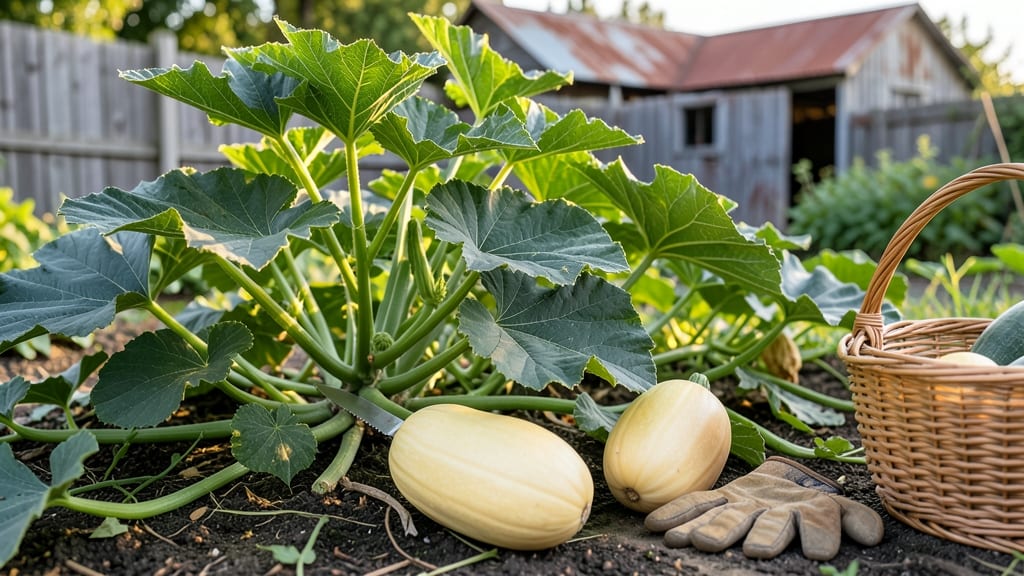
Knowing when to harvest spaghetti squash from the garden at the right time means the difference between sweet, tender strands and tough, unappetizing 🎃 pulp—so timing is everything.
Picture this: you’ve nurtured your spaghetti squash all season, and now the moment has arrived. But how do you know when it’s truly ready? Picking too early means bland, stringy results, while waiting too long can turn your squash into a rock-hard disappointment.
Don’t worry—there are clear visual cues, like a dull yellow skin and a shriveled stem, that signal peak ripeness. Plus, I’ll show you how to test firmness without damaging the fruit, so you can confidently harvest at the perfect moment.
In this guide, you’ll learn the three key signs of a ready-to-harvest spaghetti squash, how to avoid common mistakes, and even how to store your harvest for maximum flavor. Let’s get started!
3 Visual & physical signs your spaghetti squash is ready to harvest
Timing your spaghetti squash harvest is everything—wait too long, and you risk tough, seedy flesh. But how do you know when those pumpkin-like fruits are perfectly ripe? The answer lies in three key visual and physical cues that transform a green, immature squash into a sweet, stringy delicacy.
I’ve learned the hard way that ignoring these signs means sacrificing flavor for guesswork.
First, let’s talk about the most obvious clue: skin color. Unlike butternut squash, spaghetti squash doesn’t ripen to a deep orange. Instead, look for a dull yellow or tan hue that replaces the vibrant green.
This color shift signals the squash has stopped growing and is ready to be picked. Pro tip: A hard, thick rind (about ½ inch thick) is another dead giveaway of ripeness.
The stem condition is your second critical checkpoint. When ripe, the stem where the squash connects to the vine will dry out and shrivel slightly. It might even pull away from the vine with gentle pressure.
If the stem is still green and flexible, your squash needs more time—harvesting early means bland, fibrous strands instead of the sweet, tender texture you crave.
Here’s where many gardeners go wrong: they rely solely on days-to-maturity estimates. But environmental factors like temperature and sunlight can shift that timeline by weeks. That’s why I always double-check ripeness with a gentle firmness test.
A ripe spaghetti squash feels heavy for its size—almost like a dense melon. Tap it lightly: a dull thud means it’s ready, while a hollow sound suggests it’s still maturing.
- 1
- 2
- 3
- 4
🌱 Pro Tip: Harvest on a dry, sunny morning to prevent rot. Use a sharp knife or pruners to avoid damaging the squash.
One mistake I made my first year was harvesting based on vine color alone. I thought yellowing leaves meant the squash was ripe—until I cut one open to find underdeveloped strands.
Always combine vine signals with the other three cues. For example, if the vines are yellow but the skin is still green, wait 3–5 more days before checking again.
Regional variations can also throw off your timing. In hotter climates (Zones 8–10), spaghetti squash may ripen faster—sometimes in as few as 75 days. But in cooler areas (like Zone 5 or 6), you might need to wait until frost threatens to avoid losing your harvest entirely.
I’ve had to rush-harvest in early October just to beat the first frost, and the squash still turned out perfectly sweet.
Don’t overlook the seed cavity as a final check. When fully ripe, the seeds inside will be hard and dark brown. If they’re still soft or white, your squash needs more time on the vine.
This is especially important for heirloom varieties, which often have larger seeds that take longer to mature. I’ve found that ‘Golden Delicious’ and ‘Honey Bear’ varieties are particularly fussy about this cue.
Once you’ve confirmed all three signs, act fast! Spaghetti squash doesn’t stay at peak flavor for long after harvest. Store them in a cool, dry place (50–55°F) and use within 2–3 weeks for the best texture.
If you’re unsure, err on the side of waiting—overripe squash develops a woody core, but underripe ones are the real flavor crime.
Remember, the goal is sweet, stringy perfection—not a mushy mess or a rock-hard center. By mastering these visual and physical cues, you’ll go from guessing to confidently harvesting spaghetti squash at its prime. Trust the signs, not the calendar, and you’ll always have homegrown ‘noodles’ ready for your table.
How to test spaghetti squash ripeness: the seed & stem method explained
Now that you’ve mastered the visual cues like skin color and stem condition, let’s dive deeper into the two most reliable maturity tests for spaghetti squash: the seed hardness method and the stem separation technique.
These two checks are your secret weapons for pinpointing the exact harvest window—because even a day too early or late can ruin your squash’s texture and flavor.
The seed test is often overlooked but is one of the most accurate ways to determine ripeness. When your spaghetti squash is fully mature, the seeds inside will be hard and dark brown, almost like tiny acorns.
To test this, gently press your thumb against the squash’s skin near the stem end. If the seeds feel soft or white when you cut it open, your squash needs more time.
I’ve learned this the hard way—once, I harvested a squash with pale seeds, and the strands inside were woody and flavorless. Always check this before committing to harvest.
The stem separation method is equally critical. A ripe spaghetti squash’s stem should dry out and pull away from the vine with just a gentle tug. If the stem resists or snaps cleanly (instead of pulling), your squash isn’t ready yet.
This is where many gardeners make mistakes—assuming a squash is ripe just because the vine looks healthy. For example, in my Zone 6 garden, I’ve seen squash with green vines but stems that wouldn’t budge until 10 days later.
⚠️ Warning: Harvesting Too Early vs. Too Late
Too Early: Skin still green, stem flexible, seeds soft = bland, fibrous strands and poor flavor.
Too Late: Stem fully detached, rind overly hard, seeds shriveled = woody texture and dry pulp.
🌱 Pro Tip: If your squash is borderline, wait 2–3 more days—overripe squash can be salvaged by roasting, but underripe ones are a lost cause.
What happens if you harvest too early? You’ll end up with tough, stringy strands that refuse to separate cleanly. I’ve tried cooking underripe spaghetti squash, and it’s like eating chewy rubber bands—not exactly the gourmet experience we’re aiming for.
On the flip side, waiting too long leads to a hard, dry rind and a hollow core. The sweetness also fades, leaving you with a squash that’s more suitable for decoration than dining.
For heirloom varieties like ‘Honey Bear’ or ‘Golden Delicious’, these tests are even more critical because their seeds take longer to mature. I’ve found that heirlooms often need 5–7 extra days on the vine compared to hybrid varieties.
Always give them the benefit of the doubt—patience pays off with sweeter, more flavorful strands. If you’re growing in a shorter growing season (Zones 4–5), start checking seeds and stems 2 weeks before your first frost date to avoid rushing the harvest.
Once you’ve confirmed ripeness with both the seed and stem tests, harvest on a dry, sunny morning using a sharp knife or pruners. Leave a 1–2 inch stem attached to prevent rot. Store your squash in a cool, dry place (50–55°F) and use within 2–3 weeks for peak flavor.
With these methods, you’ll never guess again—just harvest with confidence and enjoy perfectly sweet, tender spaghetti squash every time.