
Picking
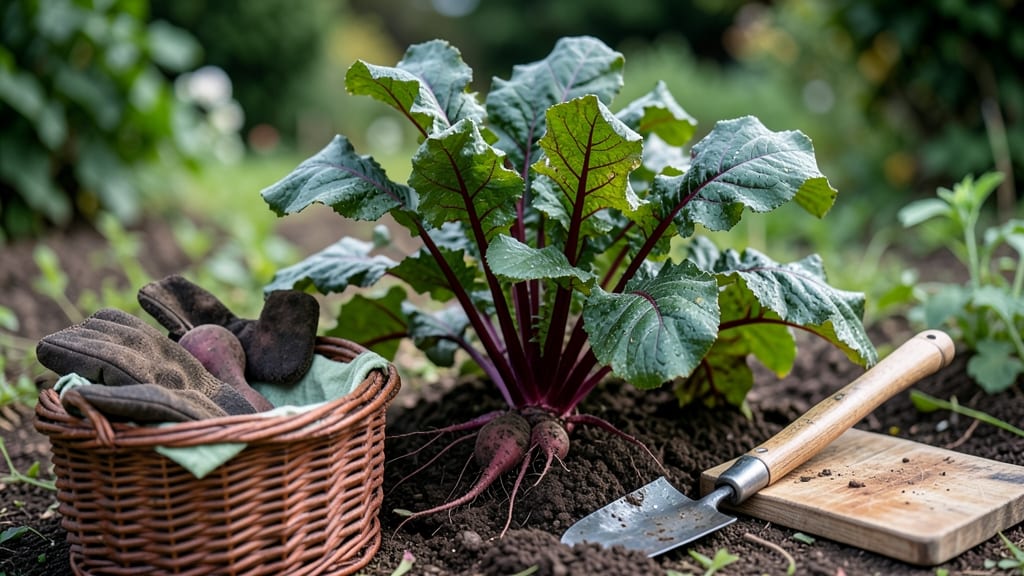
Picking beetroot 🍠 from the garden at the right time means the difference between sweet, tender roots and tough, bitter disappointments.
Harvesting too early gives you undersized roots, while waiting too long turns them woody and stringy. But here’s the secret: you don’t need a calendar—just these three simple visual cues to know when your beetroot is begging to be pulled.
First, check the size: roots should be about 1-3 inches in diameter, depending on the variety. Next, look at the leaves—when they start yellowing or wilting slightly, that’s your signal. Finally, give the skin a gentle squeeze: it should feel firm, not hard or soft.
With these tips, you’ll never miss the perfect harvest window again, ensuring your beetroot stays sweet and your garden stays productive. Let’s dive into the details so you can pull them at peak flavor every time.


3 Visual cues to determine when beetroot is ready to harvest
Knowing exactly when to harvest your beetroot can feel tricky—especially when you’ve spent weeks nurturing those tender greens. The difference between a sweet, tender root and a woody, bitter mess often comes down to timing.
I’ve learned that relying on days-to-maturity estimates alone isn’t enough; you need to watch for these three key visual cues that tell you it’s time to pull your beetroot from the soil.
Harvesting too early means small, underdeveloped roots that lack flavor, while waiting too long results in tough, fibrous textures. The good news? These visual signals are simple to spot once you know what to look for.
Whether you’re growing baby beetroot varieties or full-sized roots, these same cues apply—just adjust your expectations based on the variety you’ve planted.
- Root Size: 1-3 Inches in Diameter
Use your fingers to gently measure the root’s width. For baby beetroot, aim for 1-2 inches, while full-sized varieties should reach 2-3 inches. If it’s smaller than a golf ball, wait a few more days.
- Leaf Color: Yellowing Outer Leaves
Healthy beetroot leaves start vibrant green, but as the root matures, the outer leaves will turn yellow or slightly wilt. This is nature’s way of telling you the energy is shifting to the root—don’t wait until all leaves are yellow, though!
- Stem Thickness: Firm and Smooth Texture
Run your thumb along the stem where it meets the soil. It should feel firm, not soft or spongy. If it’s hard and woody, you’ve waited too long. The skin should also be consistent in color, not cracked or shriveled.
One common mistake I see in home gardens is harvesting based solely on the leaf size or assuming all beetroot varieties mature at the same rate. For example, ‘Babybeat’ varieties can be ready in just 40 days, while heirloom types like ‘Detroit Dark Red’ may need 60-70 days.
Always check the seed packet for variety-specific guidance, but trust the visual cues above to fine-tune your timing.
Another pro tip? Avoid harvesting during extreme heat or drought stress, as this can cause the roots to become woody or hollow. Morning is the best time to harvest—roots pulled in the heat of the day may develop bitter flavors.
Use a fork to gently loosen the soil around the root before pulling to prevent damage to neighboring plants.
If you’re unsure whether your beetroot is ready, perform the finger test: Gently press the root with your thumb. It should yield slightly but not feel mushy.
A firm, slightly springy resistance means it’s perfect. Overripe beetroot will feel hard and dense, while underripe ones will be soft and easily pierced.
Don’t forget to leave a few roots in the ground if you’re growing heirloom varieties—they’ll sweeten further after a light frost, adding even more flavor to your harvest.
And if you’re growing beetroot for both roots and greens, harvest the outer leaves first, leaving the center leaves to continue producing while the root matures.
Once you’ve mastered these visual cues, you’ll never again guess whether your beetroot is ready. The key is to check your plants regularly—especially in the last 2-3 weeks of their growth cycle—and pull them as soon as they meet these three conditions.
Your taste buds (and your dinner table) will thank you!
How long does it take for beetroot to reach harvest readiness?
Beetroot growth timelines vary based on the variety you're growing and your local climate. Most standard beetroot varieties take 50-70 days to reach harvest readiness, but baby beet varieties can be ready in as little as 30-40 days.
Understanding these timelines helps you plan for the perfect harvest window in your garden.
The key factor influencing beetroot growth speed is soil temperature. Beetroot thrives in soil temperatures between 50-75°F. Warmer soils accelerate growth, while cooler temperatures slow it down. In USDA Zone 6a, spring plantings typically reach harvest by June-July, while fall plantings mature by October-November.
Here's how to adjust your planting schedule based on your climate zone:
| Variety | Days to Harvest | Ideal Planting Time | Climate Zone Notes |
|---|---|---|---|
| Baby Beets (e.g., 'Baby Heartbeat') | 30-40 days | Spring: March-April Fall: August-September |
Fastest growth in warm soil (60-75°F). Perfect for succession planting. |
| Standard Beets (e.g., 'Detroit Dark Red') | 50-70 days | Spring: February-March Fall: July-August |
Optimal in 55-70°F soil. Plant 4-6 weeks before first frost. |
| Long-Storing Beets (e.g., 'Chioggia') | 60-80 days | Spring: February Fall: June-July |
Slowest growth. Needs consistent moisture for best development. |
| All Varieties | Adjust ±10 days | N/A | Warmer climates: Subtract 5-10 days Cooler climates: Add 5-10 days |
For baby beet varieties, I recommend harvesting when roots reach 1-2 inches in diameter. These varieties are bred specifically for early harvests and tender texture. The Detroit Dark Red variety, a classic standard beet, typically reaches harvest size of 2-3 inches after about 60 days in optimal conditions.
In cooler climates like USDA Zone 4, extend your growth timeline by 10-15 days as soil warms more slowly. Conversely, in Zone 8+, you can harvest 5-10 days earlier due to longer growing seasons.
Always monitor your local frost dates to ensure you plant early enough for a full harvest before winter sets in.
Pro tip: Use succession planting every 2-3 weeks to ensure a continuous harvest. This works especially well for baby beet varieties, giving you fresh beetroot every 4-6 weeks throughout the growing season.
Plant your first batch in early spring and your last batch 8-10 weeks before your first expected frost date.
Remember that soil fertility also impacts growth speed. Well-amended soil with compost or a balanced fertilizer (5-10-10) can reduce your beetroot's time to harvest by 5-10 days compared to poor soil conditions. Always aim for loose, well-draining soil with a pH between 6.0-7.0 for optimal growth.