
Picking
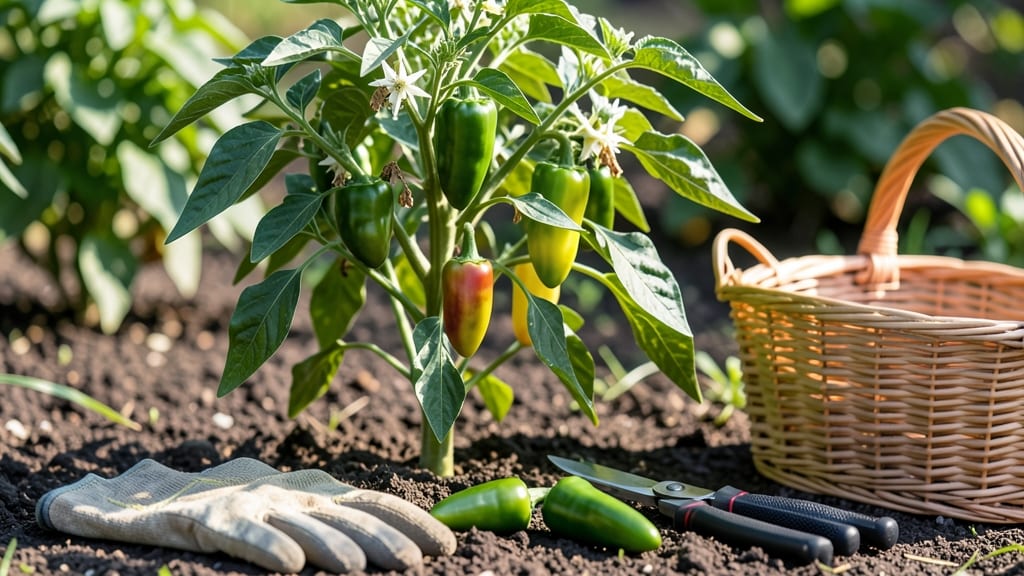
To pick jalapeños from your garden at the perfect moment means unlocking their boldest flavor and heat—before they turn bitter or mushy.
You might think all green peppers are ready, but the truth is, color alone doesn’t tell the whole story. A dark green jalapeño with a slight give when squeezed is your cue—ignore that, and you risk peppers that are either too mild or too fiery for your taste.
Here’s how to nail the timing every time.
Environment matters: scorching heat or short daylight can rush ripening, while cooler temps slow it down. That’s why checking for firmness and size (about 3-5 inches) beats guessing by color alone. Miss these signs, and you’ll end up with peppers that either lack punch or turn rubbery.
In this guide, I’ll break down the 3 color cues that signal peak ripeness, how to adjust for your local climate, and the one mistake that ruins even the freshest harvest. Ready to turn your garden into a spice powerhouse?


Jalapeño color stages: how ripeness affects spice and flavor
Harvesting jalapeños at the right color stage transforms their flavor profile and heat intensity. Unlike many peppers, jalapeños undergo three distinct ripening phases, each offering unique characteristics that can make or break your dish.
Understanding these stages helps you decide whether to pick for mild freshness, sweetness, or maximum heat.
The journey begins with green jalapeños, which are typically harvested early for a milder, slightly tangy flavor. As they mature, they transition through yellow and finally to red, where their spice level peaks and their sweetness deepens.
Each color shift isn’t just about aesthetics—it’s a flavor transformation that every gardener should master.
Green jalapeños are the most common choice for gardeners because they’re harvested early and offer a milder kick. Their Scoville rating ranges from 2,500–8,000 SHU, making them versatile for dishes where you want subtle heat. These peppers are also firmer and hold up well in pickling or fresh salsas.
When jalapeños transition to yellow, their sugar content increases, giving them a sweeter, almost fruity taste. The heat level rises slightly (up to 10,000 SHU), but they remain less aggressive than red varieties.
This stage is perfect for roasting or stuffing, as their texture softens slightly while retaining structure.
The red stage is where jalapeños reach their peak heat and flavor complexity. Their Scoville rating jumps to 8,000–15,000 SHU, delivering a bold, smoky intensity that’s ideal for cooking or drying.
However, their texture becomes softer, so they’re best used in dishes where they’ll be cooked or blended.
Environmental factors like temperature and daylight hours play a crucial role in ripening. Hotter climates accelerate color changes, while cooler weather slows the process. If your jalapeños aren’t ripening as expected, check for adequate sunlight (6+ hours daily) and consistent watering to avoid stress.
Pro tip: If you’re unsure whether a jalapeño is ready, gently squeeze it. A ripe pepper should yield slightly under pressure but not feel mushy. Overripe peppers may crack or shrivel, losing flavor and heat. For consistent harvests, pick every 2–3 days to encourage more production.
For gardeners in USDA Zone 6a, aim to harvest jalapeños between July and October, when temperatures are ideal for ripening. If frost threatens before peppers mature, pick them green and ripen indoors with indirect sunlight to preserve their quality.
Experiment with different stages to discover which flavor profile suits your dishes best. Whether you prefer the tangy crunch of green or the deep sweetness of red, mastering these color cues ensures your jalapeños deliver the perfect balance of heat and taste every time. 🌶️
3 Key color cues to harvest jalapeños at peak freshness
Harvesting jalapeños at the right time ensures maximum flavor and heat intensity. The color of your peppers is the most reliable indicator, but don’t stop there—firmness and size also play critical roles.
I’ve grown jalapeños for years, and I’ve learned that ignoring these visual cues can lead to bland or overly spicy peppers. Let’s break down the three essential color cues that signal it’s time to harvest.
First, the dark green stage is where most gardeners pick jalapeños, but this isn’t always the peak. Many varieties stay green when harvested, offering a milder heat and crisp texture. However, if you let them ripen further, the color shift to yellow or red can intensify the spice profile.
The key is understanding how your specific variety behaves—some stay green forever, while others transition beautifully. Always check the seed packet or plant tag for clues.
-
1. Dark Green with Slight Shading
Look for jalapeños that are deep green with a slight darker stripe down the center. This indicates they’ve reached the ideal harvest window for mild, crisp peppers. Press gently—if the skin yields slightly, it’s ready! -
2. Yellow or Red Transition (If Variety Allows)
If your jalapeños are ripening fully, they’ll shift to yellow or red. These peppers pack more heat and a sweeter flavor. Harvest them when 70-80% of the pepper has turned color for the best balance. -
3. Uniform Color with No Green Spots
A fully colored pepper with no green patches means it’s ripe and ready. Avoid harvesting if you see uneven coloring, as this can signal overripeness or stress from inconsistent sunlight.
Environmental factors like heat waves or limited sunlight can also affect ripening. If your garden experiences unusually hot days, peppers may ripen faster, so keep an eye on them. Conversely, cool evenings can slow the process.
I’ve noticed that jalapeños grown in containers often ripen more quickly due to warmer soil temperatures, so check them daily during peak summer months.
Don’t forget to measure size alongside color. A jalapeño should be 3-5 inches long at harvest. Smaller peppers are often underripe, while larger ones may be overripe.
Combine color cues with size checks for foolproof results. Pro tip: Use a ruler or measuring tape to track growth—it’s easier than you think!
Finally, always harvest in the morning when peppers are cool and crisp. This ensures the best texture and flavor. Use clean pruning shears or scissors to avoid damaging the plant.
I’ve made the mistake of twisting peppers off, which can introduce bacteria and reduce future yields. A clean cut also helps the plant redirect energy to producing more peppers.
Mastering these color cues will transform your jalapeño harvest from hit-or-miss to consistently delicious. Start paying attention to the subtle shifts in hue, and you’ll never miss the perfect moment again. Happy harvesting! 🌱