
Picking
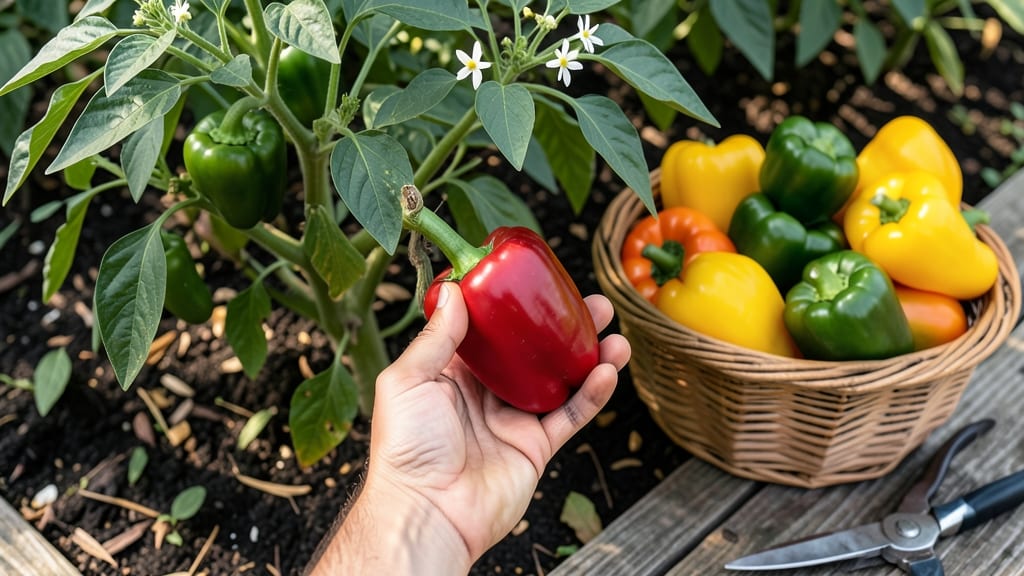
To pick peppers from your garden at the perfect moment means locking in the best flavor, texture, and sweetness—before they turn bitter or mealy.
Ever sliced into a pepper only to find it still hard and bland, or worse, shriveled and tough? That’s the difference between a perfect harvest and a wasted plant. The key lies in color, firmness, and size—but timing is everything, especially in shorter growing seasons like Zone 6a.
Peppers like 🌶️ bell peppers, jalapeños, and habaneros ripen at different speeds, and harvesting too early stunts flavor while waiting too long risks frost damage. Below, I’ll walk you through the exact visual cues—from glossy skin to color shifts—and how to adjust for your region’s last frost dates.
You’ll leave here knowing not just when to pick, but how to tell if your peppers are truly ready—no guesswork, no bitter surprises.


Peppers ripeness stages by color: the exact timeline for harvesting
Harvesting peppers at the right time transforms your garden into a flavor factory. Color isn't just decoration—it’s your roadmap to peak sweetness and texture.
For example, a jalapeño picked green will taste milder than one left to turn red, while a bell pepper harvested too late becomes mealy and bitter. Understanding these color-coded stages ensures you never miss the window between perfect ripeness and overripeness.
Most pepper varieties follow a predictable progression from green to their mature color—whether that’s red, yellow, orange, or even purple. The key is recognizing when each stage reaches its flavor and texture peak.
For instance, habaneros develop their signature heat only after turning deep red, while bell peppers are best harvested when fully colored but still firm. Below, we’ll break down the exact timelines and what to watch for in each stage.
Pro Tip: Always harvest in the morning when peppers are cool and crisp. This ensures the best flavor and texture. Use clean, sharp pruners or scissors to avoid damaging the plant. Never twist or pull peppers—this can harm the plant and leave it vulnerable to disease.
| Variety | Green Stage (Days) | Mature Color | Harvest Window | Flavor Note |
|---|---|---|---|---|
| Bell Pepper | 60-75 days | Red, Yellow, Orange, Purple | Fully colored, firm, glossy | Sweetest at mature color |
| Jalapeño | 70-80 days | Green → Red | Green (mild) or red (spicier) | Heat peaks at red stage |
| Habanero | 90-120 days | Green → Orange/Red | Deep orange/red, firm | Extreme heat at mature color |
| Cayenne | 75-90 days | Green → Red | Red, glossy, firm | Spiciness intensifies with color |
| Poblano | 80-90 days | Green → Dark Red | Dark green (mild) or red (earthy) | Earthy flavor at red stage |
🌶️ Note: Harvest times vary by climate and variety. Always check seed packets for exact days.
Green peppers are technically ripe—they’re just unripe for their mature color. For varieties like bell peppers or jalapeños, harvesting at the green stage is fine if you prefer milder flavors.
However, the real flavor magic happens when they reach their final color. For example, a red bell pepper has 3x more sugar than its green counterpart, making it significantly sweeter.
If you’re growing habaneros or cayennes, patience is key. These peppers need full color development to reach their peak heat levels. A green habanero might have some spice, but it won’t deliver the fiery punch you’d expect from a fully ripe, orange or red pepper.
Always wait until the color is deep and consistent—no streaks or patches.
Firmness is your secret weapon for nailing the harvest. A ripe pepper should feel firm but slightly yielding when gently squeezed. If it’s rock-hard, it’s underripe; if it’s mushy or wrinkled, it’s overripe. For bell peppers, the skin should also have a glossy sheen, indicating peak moisture content. This is especially important in hot climates where peppers can dry out quickly.
Don’t forget about stem separation, a telltale sign of ripeness. When a pepper is ready, the stem should pull away cleanly from the plant with minimal resistance. If you’re struggling to detach it, the pepper likely needs more time.
This is particularly useful for long, slender peppers like finger hot peppers, where color changes can be subtle.
Regional climates play a huge role in pepper ripening. In shorter growing seasons (Zones 5-7), peppers may not have time to fully mature. If frost threatens before your peppers turn color, harvest them green and speed up ripening indoors.
Place them in a paper bag with a banana or apple to release ethylene gas, which triggers color change. This works best for bell peppers and jalapeños.
Overripe peppers are a common mistake, especially for beginners. They become mealy, bitter, and prone to cracking, making them unappealing to eat. If you’ve missed the window, don’t despair—overripe peppers can still be used in cooked dishes where texture isn’t critical.
But for fresh eating, always aim to harvest at the peak of ripeness.
For a foolproof approach, check your peppers every 2-3 days during their final ripening phase. Keep a small notebook or use your phone to snap photos of each pepper’s progress. This helps you track which varieties ripen fastest in your garden. Pro growers often harvest a few peppers daily
Peppers don’t just ripen by changing color—there are subtle but critical signs that tell you they’re truly ready. Many gardeners miss these cues and end up with underripe peppers that lack flavor or overripe ones that turn bitter. I’ve learned the hard way that waiting for color alone isn’t enough—you need to check for these five key indicators before harvesting. First, pay attention to the stem separation. When your pepper is ready, the stem should detach cleanly with just a gentle twist—no forcing required. This means the plant has fully transferred nutrients to the pepper. If the stem resists or tears, it’s not quite ready. I’ve seen gardeners snap stems off too early, leaving the pepper to rot on the vine. Next, examine the skin texture and glossiness. A ripe pepper should feel smooth and slightly waxy, almost like a fresh apple. If the skin feels dull, wrinkled, or leathery, it’s past its prime. I once picked a batch of jalapeños that looked red but had dry skin—and they tasted like rubber. Always run your fingers over the pepper before deciding. Don’t overlook the size and weight either. Each pepper variety has a mature size range—for example, bell peppers should be about 3-4 inches wide, while banana peppers might reach 3-5 inches long. Hold the pepper in your hand: if it feels heavy for its size, it’s packed with flavor. Light peppers are usually underripe, while overly heavy ones may be overripe. Here’s where many gardeners go wrong: they assume color alone determines ripeness. While color is important, some peppers—like jalapeños or habaneros—can stay green at the stem end even when ripe. Always check the color consistency all the way to the stem. A fully ripe pepper will have deep, uniform color with no green patches. Finally, test the firmness and snap. A ripe pepper should feel firm but slightly yielding when pressed gently with your thumb. If it’s too soft or mushy, it’s overripe. For a quick test, bend the pepper slightly at the stem—it should snap cleanly if it’s ready. I use this trick every season to avoid picking peppers that are still developing. One common mistake I see is picking peppers too early for flavor. Some varieties—like bell peppers—develop their sweetest taste when fully mature. Others, such as jalapeños or serranos, can get hotter as they ripen. If you harvest too soon, you’ll miss out on that peak flavor. On the flip side, waiting too long can turn peppers mealy or bitter, especially in hot climates. Pro tip: If you’re unsure, harvest a few peppers and taste-test them. This is the only way to truly know when your peppers are at their best. I keep a small notebook by my garden to track which varieties ripen fastest—it’s saved me from missing harvest windows entirely. With these signs in mind, you’ll never second-guess when to pick again!5 Key signs your peppers are ready to pick (beyond just color)