
Picking
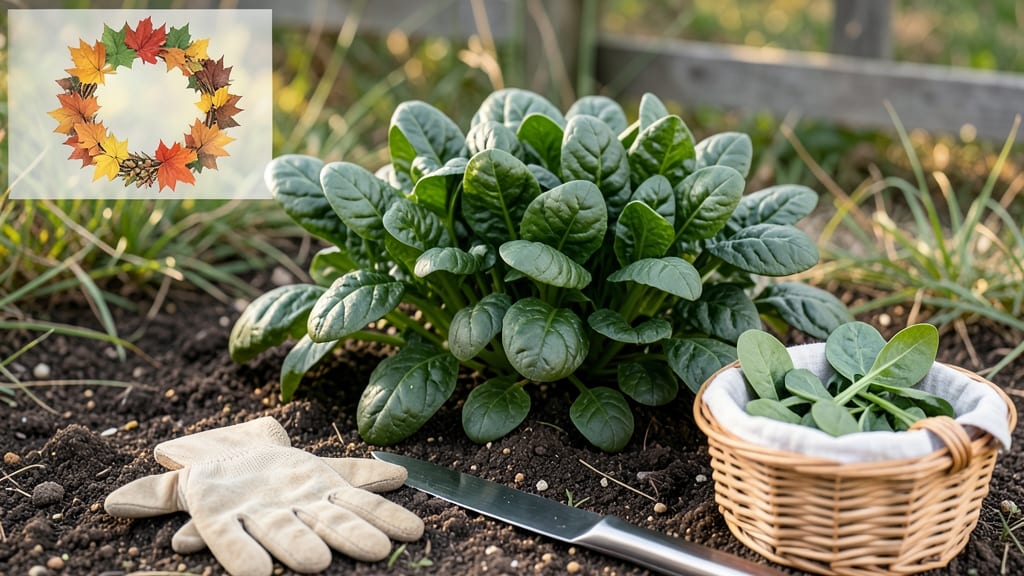
Picking spinach from your garden at the right time ensures tender leaves packed with flavor instead of tough, bitter greens that ruin your salads.
Imagine biting into a crisp, bright green leaf only to find it woody and tough—that’s the difference between harvesting too late and nailing the perfect moment.
Spinach 🥬 thrives when picked young, but waiting too long turns your harvest into a flavorless mess. The key is watching leaf size, color, and plant age, plus knowing when seasonal heat triggers bolting.
Below, I’ll show you exactly when to snip for peak taste, how to extend your harvest season, and the simple tricks to keep your spinach producing all spring and fall.


How to identify perfect spinach harvest timing by leaf size & color
Knowing exactly when to pick spinach from your garden ensures the best flavor and encourages more growth. Unlike many vegetables, spinach rewards patience—harvesting too early means small leaves, but waiting too long turns them bitter and tough.
The key lies in leaf size, color, and texture, which change dramatically as the plant matures.
For baby spinach, you’ll harvest leaves as small as 2-3 inches, while mature spinach should have leaves 4-6 inches long and fully developed. Color shifts from deep green to slightly yellowing at the edges when overripe.
Seasonal timing also plays a role—spring and fall harvests yield the sweetest flavor, while summer heat can trigger premature bolting.
Leaf size is your first clue. Baby spinach varieties like 'Baby’s Leaf Hybrid' can be harvested when leaves reach 2-4 inches long, while larger varieties like 'Bloomsdale Long Standing' need 6-8 inches for full maturity. Always check the outer leaves first—they mature faster and allow the inner leaves to keep growing.
| Harvest Stage | Leaf Size | Leaf Color | Texture | Best For |
|---|---|---|---|---|
| Baby Spinach | 2-4 inches | Bright green | Tender, soft | Salads, microgreens |
| Mature Spinach | 4-8 inches | Deep green | Crisp, slightly firm | Cooking, sautéing |
| Overripe Spinach | 6+ inches | Yellowing edges | Tough, bitter | Avoid—reduce flavor |
| Bolting Spinach | Any size | Yellow flowers | Woody stems | Harvest immediately |
Color is your next indicator. Bright green leaves signal peak flavor, while any yellowing or red tinges mean the spinach is past its prime. For savoy spinach varieties, the crisp, curled leaves should still feel tender—not woody or fibrous.
If you notice yellow buds forming, your spinach is bolting, a sign it’s ready to flower and go to seed.
Seasonal timing affects harvest windows too. In spring, spinach planted 4-6 weeks before the last frost will be ready in 45-60 days. For a fall harvest, plant 8-10 weeks before the first frost.
Avoid planting in summer—heat stress causes spinach to bolt prematurely, ruining both flavor and yield.
Texture is often overlooked but critical. A perfect spinach leaf should feel crisp yet tender, not rubbery or brittle. Run your fingers over the leaves—if they feel tough, it’s time to harvest before they become inedible.
For continuous harvests, cut the outer leaves first, leaving the inner growth intact to keep producing.
Pro tip: Harvest in the morning after dew dries for the freshest flavor. Use clean, sharp scissors or pruners to cut leaves at the base, avoiding tearing. This method reduces stress on the plant and encourages regrowth for weeks longer than pulling leaves by hand.
If you’re growing baby spinach varieties, you can harvest every 7-10 days by snipping a few leaves at a time. For mature spinach, wait until the plant is 8-10 weeks old before harvesting the entire plant 2-3 inches above the soil.
This ensures you get the largest, most flavorful leaves possible.
Remember, seasonal variations matter. Spring spinach tends to be sweeter due to cooler temperatures, while fall spinach may develop a slightly earthier taste. Always adjust your harvest timing based on your local climate—if your area has hot summers, focus on spring and fall plantings for the best results.
With these visual cues—leaf size, color, and texture—you’ll never miss the perfect harvest window again. Your garden will thank you with bountiful, flavorful spinach all season long! 🥬
Spinach harvesting mistakes that ruin flavor & future growth
Harvesting spinach at the wrong time can turn your garden's tender green leaves into bitter, tough, or even inedible disappointment. The flavor and nutritional value peak when you pick leaves at their prime, but many gardeners accidentally wait too long or use the wrong techniques.
Let me show you the critical mistakes that turn your spinach from delicious to disappointing.
One of the biggest errors is harvesting spinach when it's over-mature. When leaves grow beyond 6 inches long or develop a woody texture, they lose their sweetness and become tough to chew.
This often happens when gardeners ignore the plant's age or visual cues. Even worse, leaving spinach to bolt—when it sends up yellow flower stalks—ruins both flavor and future harvests.
⚠️ When to Pick Spinach: The Critical Window
Harvest spinach when leaves reach 4-6 inches long and are bright green with no yellowing. For baby spinach, pick at 3-4 weeks old (3-4 inches long). For mature harvests, wait until 6-8 weeks but never let leaves exceed 8 inches—this triggers bitterness and bolting.
Timing tip: Morning harvests (after dew dries) preserve sweetness and crispness better than afternoon picks.
Another common mistake is using the wrong cutting technique. Many gardeners pull entire plants from the ground, which destroys the root system and ends future growth. Instead, always snip outer leaves with clean scissors, leaving the inner leaves to keep growing.
This method, called cut-and-come-again, extends your harvest by 3-4 weeks per planting.
Seasonal timing is equally crucial. Planting spinach in hot summer months causes it to bolt prematurely, producing small, bitter leaves with flower stalks. Even in ideal spring or fall conditions, waiting until temperatures exceed 80°F (27°C) stresses the plant.
If you live in a warm climate, opt for heat-tolerant varieties like 'Tyee' or 'Corvair' and harvest early in the morning to avoid heat damage.
Watering mistakes also sneak up on gardeners. Spinach needs consistent moisture, but letting the soil dry out—even slightly—triggers bolting. On the flip side, overwatering can cause fungal diseases like downy mildew, which turns leaves yellow and slimy.
Always water at the base of the plant in the morning to keep leaves dry and healthy.
Finally, many gardeners ignore the regrowth potential of spinach. After your first harvest, give the plant 2-3 weeks to recover before cutting again. During this time, keep soil moist and fertilize lightly with a high-nitrogen feed to encourage new leaf growth.
Skipping this recovery period weakens the plant and reduces future yields.
By avoiding these common spinach harvesting mistakes, you'll enjoy sweeter, more tender leaves and a longer harvest season. Pay attention to leaf size, cutting techniques, and seasonal conditions—your taste buds (and future plants) will thank you! 🥬