
Planting
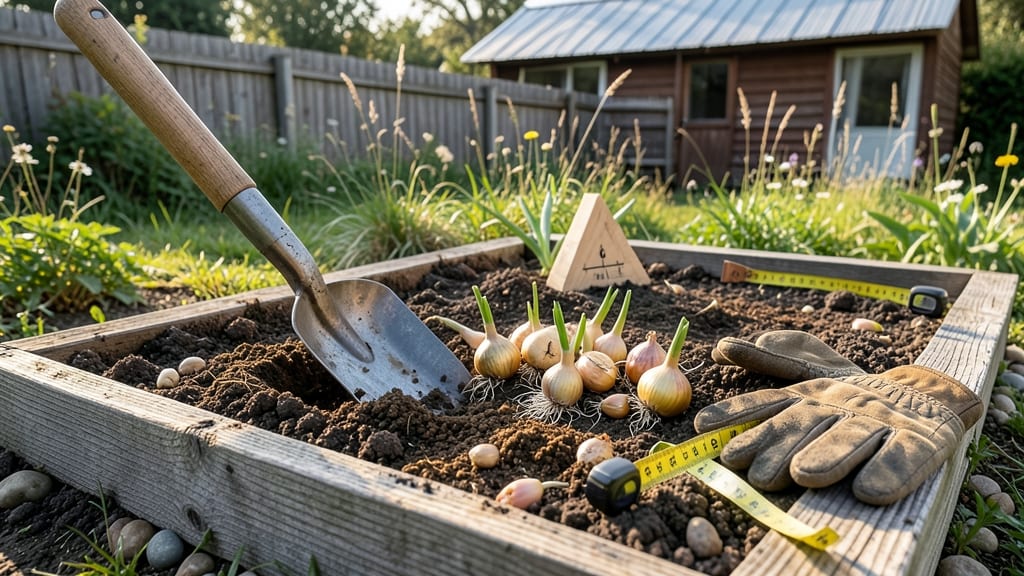
To plant bulbs in your garden at the perfect time means the difference between a vibrant spring show and a missed opportunity—especially when frost is just weeks away.
Timing your bulb planting perfectly can mean the difference between a showstopping spring display and wasted effort—especially when frost lurks just weeks away. One wrong move, and your tulips or daffodils might never even emerge.
In USDA Zone 6a, like many gardeners, you’ve got a narrow window—typically between September and November—to get those 🌱 bulbs in the ground. Plant too early, and they’ll rot; too late, and frost will kill them before they bloom.
Below, I break down the exact planting schedule by zone, soil prep tips, and how to adjust for late frosts or microclimates—so you can enjoy reliable blooms year after year without the guesswork.
Exact planting dates by USDA Zone for spring-blooming bulbs
Getting your spring-blooming bulbs in the ground at the right time ensures vibrant flowers and healthy growth. The key is understanding your USDA zone and calculating your local frost dates. Plant too early, and bulbs may rot; too late, and they won’t establish roots before winter.
Let’s break down the perfect planting windows for zones 3 through 8, including frost-free calculations and bulb-specific tips.
Most gardeners focus on fall planting for classic bulbs like tulips and daffodils, but timing varies dramatically by region. For example, gardeners in Zone 3 need to plant by mid-October, while those in Zone 7 can wait until early November.
The rule of thumb? Plant 6 to 8 weeks before your first hard frost to give roots time to develop before winter sets in.
Here’s a quick reference for your zone, including frost-free windows and the best bulbs to plant. Use this as your guide to avoid common mistakes like planting when soil temperatures dip below 40°F, which can stunt root growth.
| USDA Zone | Recommended Planting Month | Frost-Free Window (Days After Planting) | Key Bulb Types | Pro Tip |
|---|---|---|---|---|
| 3-4 | October 1-15 | 120-135 days | Tulips, Daffodils, Hyacinths | Plant 6-8 weeks before first hard frost; use mulch for extra protection. |
| 5-6 | October 15-November 1 | 90-105 days | Alliums, Crocuses, Snowdrops | Avoid planting when soil temps drop below 40°F; these bulbs thrive in cooler conditions. |
| 7-8 | November 1-15 | 60-75 days | Dahlias, Gladiolus, Canna Lilies | Use mulch to protect from light frosts; these bulbs are less cold-hardy. |
If you’re in Zone 3 or 4, prioritize tulips and daffodils—they handle cold well and bloom reliably. For Zone 5 and 6, expand your options to include alliums and crocuses, which add early color and tolerate cooler soils.
In Zones 7 and 8, focus on dahlias and canna lilies, which need a longer growing season and benefit from a later start.
Pro tip: Check your local frost dates using the USDA Plant Hardiness Zone Map or a frost calendar for your area. For example, if your first frost is November 15, aim to plant by October 1 to give roots time to establish.
Adjust for microclimates—south-facing slopes may need earlier planting, while shaded areas can wait a few weeks.
For gardeners in Zone 6 or below, consider using a soil thermometer to confirm temperatures are consistently below 60°F before planting. Warm soil can trick bulbs into sprouting too early, leading to frost damage.
In Zones 7 and 8, where winters are milder, you can push planting to early November, but always cover bulbs with 2-3 inches of mulch to prevent heaving during freeze-thaw cycles.
Don’t forget that bulb size matters. Larger bulbs (like 12/0 tulips) establish roots faster and are more forgiving of late planting. Smaller bulbs, such as crocuses or snowdrops, need precise timing to thrive.
If you’re unsure, err on the side of planting earlier—bulbs won’t sprout until conditions are right in spring.
Once planted, water deeply to settle the soil and encourage root growth. Avoid overwatering, as soggy soil can cause rot. In Zones 3-5, add a 2-inch layer of straw mulch after planting to insulate bulbs from temperature swings.
In warmer zones, a light layer of compost suffices to retain moisture without overheating the soil.
Finally, mark your planting locations with stakes or a garden map to avoid disturbing bulbs in spring. Many gardeners make the mistake of fertilizing too early—wait until spring foliage emerges before adding a balanced fertilizer (like 10-10-10) to support blooming.
With these zone-specific guidelines, you’ll maximize your bulb success rate and enjoy a showstopping spring display year after year. Happy planting! 🌷
How to adjust planting for late frost zones and microclimates
Living in a Zone 6 with unpredictable late frosts—or gardening in a microclimate like a south-facing slope—can turn bulb planting into a guessing game. The key is adapting your timing to local conditions rather than following generic guidelines.
For example, my Zone 6a garden often sees frost creep into April, so I adjust planting dates and use protective strategies to shield tender bulbs.
Microclimates add another layer of complexity. A sunny hillside might warm up faster than the surrounding area, while a shady valley can stay colder longer. Even within your yard, a brick wall or paved driveway can create a heat pocket where bulbs sprout earlier.
Understanding these nuances helps you avoid wasted effort—or worse, lost bulbs.
⚠️ Critical Adjustments for Late Frost Zones
Risk: Planting tulips or daffodils too early in cold zones (like Zone 4) causes rot before dormancy sets in.
Solution: Use a soil thermometer to confirm temps stay below 60°F for 2 weeks before planting. In my garden, this often means waiting until mid-October instead of early September.
Risk: Planting too late in warm zones (like Zone 7) can trigger premature sprouting, killing bulbs in winter.
Solution: Aim for 4-6 weeks before first frost, even if soil feels warm. For Zone 7, this means planting dahlias by November 1—not December.
Risk: Microclimates (e.g., south-facing slopes) can cause uneven blooming or bulb failure.
Solution: Plant 2-3 weeks earlier in warmer microclimates. For example, bulbs near my brick wall go in late September, while those in shaded beds wait until October 15.
To test your soil temperature, bury a thermometer 4-6 inches deep (the depth where most bulbs sit) and monitor for 2 weeks. This simple step saved my hyacinths last year—they would have rotted if I’d planted them when the air felt cool but the soil was still warm.
Pro tip: Check temps in the late afternoon when soil is warmest.
For added protection, use mulch or frost blankets in high-risk areas. Last fall, I covered newly planted tulips with straw mulch (3-4 inches thick) and added a lightweight frost cloth over containers.
This delayed sprouting until safe temperatures arrived in spring. Even dahlias, which are tender, thrived with this extra layer.
Don’t overlook elevated beds or rocky slopes, which can stay colder longer. In these spots, plant bulbs 2 weeks later than your general zone guidelines.
For instance, my Zone 6 garden follows Zone 5 timing for shaded, elevated beds. Conversely, low-lying areas may need earlier planting to avoid frost damage.
Finally, group bulbs by hardiness to simplify care. Plant tough varieties like daffodils first (they tolerate cold well), followed by tulips, and save dahlias for last—after the ground cools. This layered approach ensures some blooms will always succeed, even if frost catches others off guard.
With these adjustments, your spring display will be vibrant and reliable, no matter how late the frost arrives. 🌱