
Planting
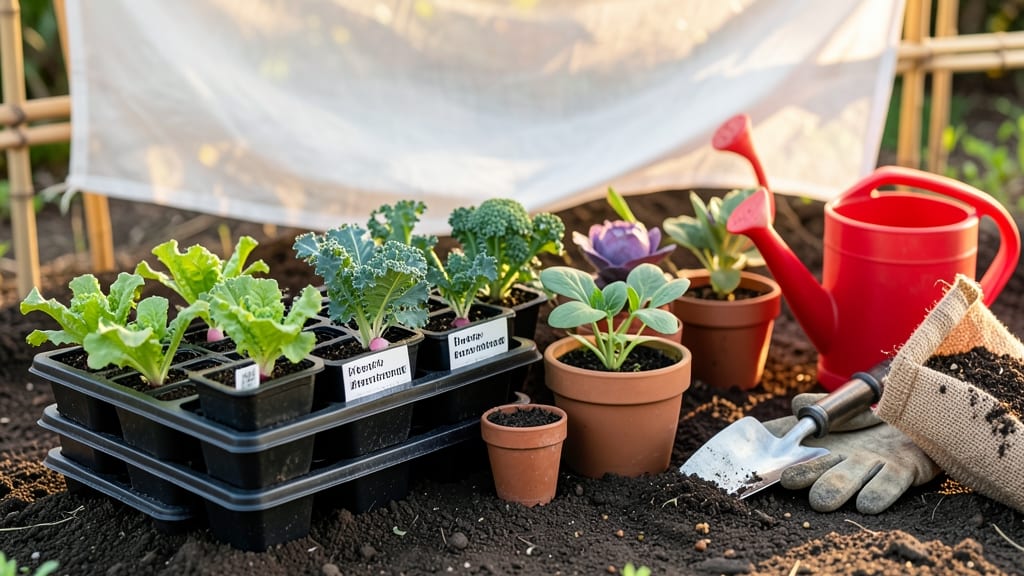
Planting a fall garden in South Texas between August and October gives you the sweet spot for zero-frost-risk crops like spinach, kale, and turnips—just 6-8 weeks before the first chill.
South Texas gardeners know the difference between a thriving fall harvest and a failed crop often comes down to timing—plant too early, and summer’s heat zaps your seedlings; too late, and your greens bolt before frost. But with the right microclimate deadlines, you can grow heat-tolerant varieties all winter long.
This isn’t just about avoiding frost—it’s about working with the region’s lingering summer heat. The key is choosing crops that thrive in 9a-10a zones and adjusting your schedule based on whether you’re in the Coastal Plains, Hill Country, or Rio Grande Valley.
Below, I’ll break down the exact planting windows for your area, the best crops to pick, and how to stretch your harvest into December without losing your greens to early cold snaps.
South Texas fall planting deadlines by microclimate zone (avoid frost & heat stress)
Timing your fall garden in South Texas isn't one-size-fits-all—your microclimate zone dictates whether your collards bolt in September or thrive until December. The Rio Grande Valley stays warm longer than Hill Country, while Coastal areas face earlier humidity shifts.
Missing these deadlines means heat stress for seedlings or premature bolting before harvest.
For zero-frost-risk crops like Malabar spinach and turnips, I’ve mapped out planting windows that align with heat-tolerance thresholds (90°F+ soil temps) and first frost averages.
Urban gardens in San Antonio may need adjustments—concrete absorbs heat differently than rural Edinburg soils. Let’s break it down by zone so you can plant with confidence.
Key rule: Plant 6-8 weeks before your zone’s first frost, but adjust for soil temperature (below 80°F triggers faster germination). Use a soil thermometer—I’ve seen carrots fail to sprout when planted too early in 95°F+ Hill Country soils.
Notice how Hill Country has the earliest deadline? That’s because concrete microclimates in cities like San Antonio can push soil temps 10°F+ higher than rural areas. I’ve seen broccoli seedlings wilt when planted in urban raised beds without afternoon shade.
For Coastal Bend, humidity extends the growing season—but also fungal risks, so space plants wider.
Pro tip: Direct-sow heat-tolerant crops like Malabar spinach in late August (Coastal) or early September (Hill Country) to beat the rush. These varieties handle 95°F+ soil temps better than standard greens. I’ve grown collards year-round in Edinburg by succession planting every 2 weeks from August through October.
For urban gardeners, consider container gardening—pots cool faster than in-ground beds. Fill containers with moisture-retentive mixes (add coco coir) and place them on reflective surfaces (like white gravel) to reduce heat stress. My San Antonio containers stay 10°F cooler this way during 100°F+ days.
Watch for false starts: A light frost in December (rare but possible) won’t kill hardy greens, but a hard freeze (below 25°F) will. Use row covers for spinach and kale if your zone trends colder.
I’ve protected turnips with floating row covers down to 28°F—they survived with no damage.
Adjust for soil type: Sandy soils in Rio Grande Valley dry out faster than clay-heavy Hill Country soils. Amend with 2-3 inches of compost before planting to improve moisture retention.
My carrots in Corpus Christi tripled in yield after I added composted manure—they stayed crisp even during 98°F spells.
Final deadline reminder: October 15 is your last chance to plant cool-season crops in most of South Texas. After that, focus on winter-hardy greens or greenhouse starts
Best zero-frost risk crops for South Texas fall gardens (ranked by heat tolerance)
South Texas' summer heat doesn’t have to derail your fall garden dreams. The key is selecting heat-tolerant varieties that thrive when daytime temps still hover around 90°F. These zero-frost-risk crops can handle our 9a-10a USDA zones while delivering harvests through December.
Let’s dive into the top 8 performers ranked by their ability to shrug off the heat.
Topping the list is Malabar spinach, a heat-loving alternative to traditional spinach that stays crisp even when temps flirt with 100°F. Next comes collard greens, which actually sweetens in cooler weather but won’t bolt in early fall’s lingering heat.
For root crops, carrots (especially ‘Danvers’ variety) and turnips (‘Purple Top’) are your best bets—they mature quickly before winter sets in.
For leafy greens, ‘Black Seeded Simpson’ lettuce is a heat-tolerant choice, though it prefers cooler 70-80°F temps.
Plant it in late August for a fall harvest before winter chill sets in. Radishes like ‘Cherry Belle’ mature in just 25-30 days, making them perfect for quick harvests in early fall’s heat.
Timing is critical—aim to plant 6-8 weeks before your first frost date (typically mid-December in South Texas). For example, broccoli should hit the soil by mid-September to mature before winter. Use shade cloth (30-50%) during peak afternoon heat to protect seedlings while they establish roots.
Pro tip: Pair heat-tolerant crops with shade-providing plants like sunflowers or corn to naturally reduce soil temps. Mulch with straw or wood chips to retain moisture and