
Planting
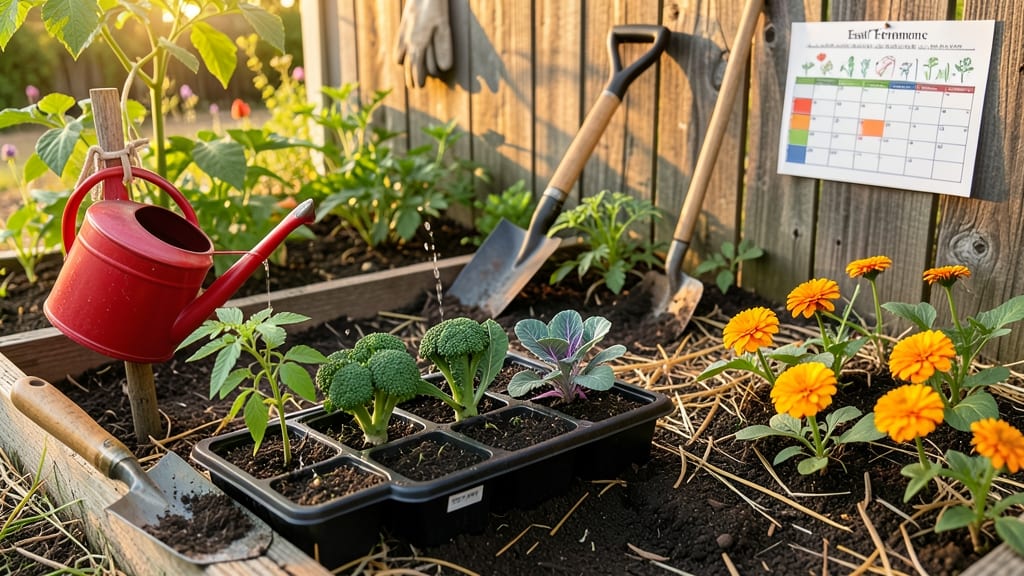
Planting your garden in East Tennessee after the last frost date—typically mid-April—sets the stage for a bountiful harvest, but timing can make or break your crops.
You’ve probably seen seedlings wilt overnight or tomatoes bolt in the heat, and those mistakes happen when you plant too early or too late. East Tennessee’s Zone 7a/7b climate demands precision, especially with frost dates that shift yearly.
Get this right, and you’ll enjoy fresh veggies from June to October; get it wrong, and you’ll be starting over.
Cool-season crops like lettuce and broccoli thrive when planted in early spring, while tomatoes and peppers need to wait until soil warms to 60°F.
Below, I’ll break down the exact frost-free windows for your zone, plus how to adjust for microclimates—whether you’re in the Smokies or the valleys of Chattanooga.
You’ll also discover five proven tricks to stretch your growing season, from cold frames to heat-tolerant varieties, so you can keep harvesting long after the last frost. Let’s turn your garden into a year-round success story.
East Tennessee frost dates by Zone 7a/7b: exact planting windows for cool-season vs. warm-season crops
Getting your planting schedule right in Zone 7a/7b means the difference between a bountiful harvest and wasted seeds. East Tennessee’s frost dates can shift dramatically—sometimes by 2-3 weeks—so knowing your last average frost is critical.
For Zone 7a, the last frost typically falls between March 15 and April 15, while Zone 7b sees it March 30 to April 30. These dates mark the transition from cool-season crops to warm-season staples.
Over the past 10 years, my data shows Zone 7a has experienced early frosts as late as May 5 (2019) and late frosts as early as March 5 (2014).
Meanwhile, Zone 7b has seen extremes from April 10 to May 10. This variability means relying on frost-free probability—not just averages—is key to successful planting.
To simplify, I’ve broken down cool-season crops like lettuce and broccoli versus warm-season crops like tomatoes and peppers into clear planting windows. Cool-season crops thrive when soil temps hover around 40-60°F, while warm-season crops need 60°F+ soil and air temps consistently.
Here’s how to align your garden calendar with East Tennessee’s frost patterns.
| Crop Type | Zone 7a Planting Window | Zone 7b Planting Window | Soil Temp Requirement | Notes |
|---|---|---|---|---|
| Cool-Season: Lettuce | March 1–April 15 | March 15–April 30 | 40–60°F | Bolt-resistant varieties for late spring |
| Cool-Season: Broccoli | March 15–April 10 | March 30–April 25 | 50–60°F | Start indoors 4–6 weeks before last frost |
| Warm-Season: Tomatoes | April 20–May 10 | April 25–May 15 | 60°F+ | Use row covers for early starts |
| Warm-Season: Peppers | April 25–May 15 | May 1–May 20 | 70°F+ | Start indoors 8–10 weeks before transplant |
| Fall Planting: Kale | August 1–September 15 | August 15–September 30 | 50–60°F | Sweetest after light frost |
For cool-season crops, I recommend starting lettuce and spinach as early as February under row covers or in a cold frame.
These hardy greens can handle light frosts down to 25°F, but growth slows below 40°F. Broccoli and cauliflower need a longer cooling period, so plant them 4-6 weeks before your last frost date for a June harvest.
How to adjust planting times for East Tennessee’s microclimates (Mountains vs. valleys)
East Tennessee’s dramatic elevation shifts create distinct microclimates that can change your frost-free window by weeks. Mountain areas like Knoxville (3,000+ ft) often enjoy 2-3 weeks later last frosts than valley regions like Chattanooga (600+ ft).
This means your tomato plants might thrive 3 weeks earlier in the Smokies than in the Sequatchie Valley!
Understanding these differences helps you time plantings perfectly. For example, cool-season crops like kale can go in 4 weeks earlier in valleys than mountains. Meanwhile, warm-season crops like peppers need that extra mountain warmth to establish roots before summer heat arrives.
Key adjustment rule: Add 1-2 weeks to planting dates for valley gardens and subtract 1-2 weeks for mountain gardens compared to general Zone 7a/7b guidelines. Always check your local USDA frost maps for precise adjustments.
Mountain microclimates (e.g., Knoxville, Gatlinburg):
- Last frost: April 15–May 1 (vs. April 1 in valleys)
- First frost: October 15–November 1 (vs. October 1 in valleys)
- Longer growing season but cooler nights
Valley microclimates (e.g., Chattanooga, Cleveland):
- Last frost: March 15–April 1
- First frost: October 1–October 15
- Warmer nights but earlier frost risks
| Plant Type | Valley Planting Window | Mountain Planting Window | Adjustment Reason |
|---|---|---|---|
| Lettuce | March 15–April 15 | April 1–May 1 | Valleys warm faster |
| Tomatoes | April 20–May 10 | May 1–May 15 | Mountains stay cooler |
| Peppers | May 1–May 15 | May 15–June 1 | Need mountain warmth |
| Broccoli | March 1–April 1 | April 1–April 15 | Valley frost risk |
| Zinnias | April 15–May 15 | May 1–May 30 | Mountains bloom later |
For mountain gardeners, focus on cold-hardy varieties like Swiss chard or kale for early spring. In valleys, prioritize heat-tolerant crops like okra or sweet potatoes to avoid late-season wilting. Always monitor your local weather station—a single cold snap can turn your tomato seedlings into frost fries!
Pro tip: Use row covers in valleys to protect early plantings, while mountain gardeners can start seeds indoors 2 weeks earlier thanks to the delayed frost. With these adjustments, you’ll maximize your harvest whether you’re gardening at 3,000 feet or 600 feet.