
Planting
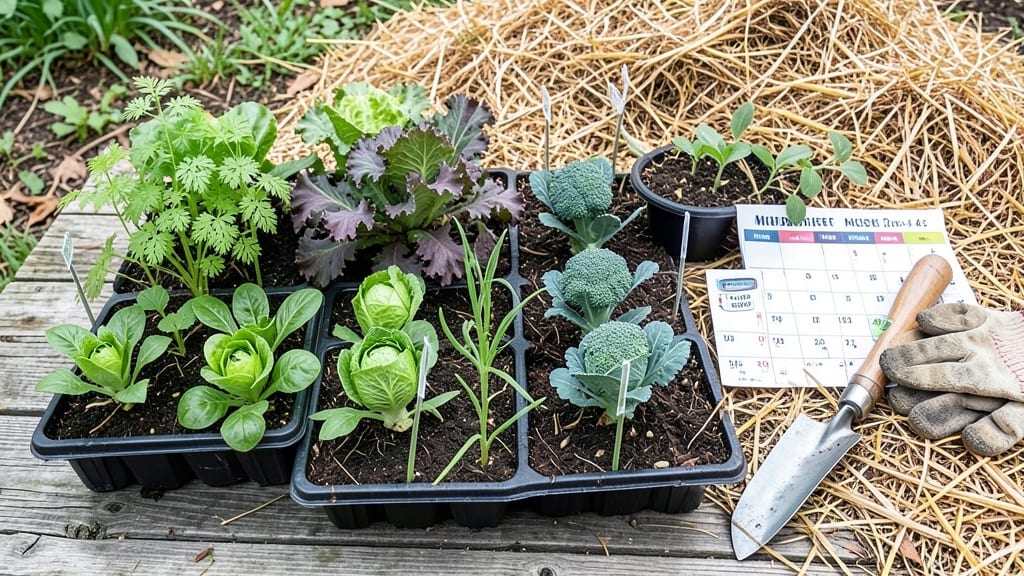
Planting your garden in Michigan after the last frost is the key to avoiding those heartbreaking late-spring freezes that wipe out tender seedlings.
Michigan’s unpredictable spring frost can turn a gardener’s excitement into disappointment—unless you know the exact planting windows for your zone. I’ve seen six-foot tomato plants wither overnight because I guessed wrong, and trust me, you don’t want that story.
Whether you’re in the Upper Peninsula or down in Detroit, timing matters more than anything else. Cool-season crops like peas and kale can handle a light frost, but warm-season favorites like tomatoes and basil need the soil to stay warm for weeks—so planting too early is a recipe for failure.
In this guide, I’ll break down the zone-specific frost dates for Michigan, show you how to read soil temperatures like a pro, and share my top tricks for extending your growing season without risking another frost bite. No more guesswork—just science-backed timing for a thriving garden.
Michigan planting zones & last frost date maps (2024 guide)
Michigan spans USDA Hardiness Zones 4-6, creating dramatic differences between the Upper Peninsula (4a-5a) and Lower Peninsula (5b-6a). These zones determine which plants thrive in your yard—and when to plant them safely.
The average last frost dates vary by 10-14 days between northern and southern Michigan, making precision timing critical for frost-sensitive crops like tomatoes and peppers.
For example, in Detroit (Zone 6a), gardeners typically see their last frost around May 15, while in Marquette (Zone 4b), the average last frost lingers until May 29.
These differences mean tomatoes planted too early in the UP risk frost damage, while southern Michigan gardeners can start warm-season crops 2-3 weeks earlier.
To avoid costly mistakes, I rely on Michigan State University’s frost prediction tools, including their Michigan Automated Weather Network (MAWN) and local cooperative extension reports. These resources provide real-time frost alerts and historical data to help you calculate your frost-free growing season with confidence.
Here’s how to use the data: First, identify your specific USDA zone using the MSU Zone Finder tool. Then, subtract 2-3 weeks from your average last frost date to determine when to harden off seedlings indoors.
Finally, wait until after the last frost to transplant tender crops like basil, cucumbers, and peppers into the garden.
Cold-hardy crops like kale, peas, and spinach can often tolerate light frosts, so they can be planted 2-4 weeks before your average last frost date. This early start gives them a head start on growth before summer heat arrives.
If you’re unsure about your exact last frost date, use the MSU Garden Hotline (888-MSU-GARD) or check their interactive frost map. These tools account for microclimates—like urban heat islands in Detroit or cooler lake-effect zones near Traverse City—that can shift frost dates by up to 10 days.
For succession planting, note that Michigan’s first frost typically arrives between September 20 (southern MI) and October 10 (northern MI). This means you have 120-150 frost-free days to grow warm-season crops, so plan accordingly.
For example, late-summer tomatoes need to be started indoors by July 1 in the UP to mature before frost.
Pro tip: Keep a gardening journal for 3 years to track your local frost dates.
I’ve found that my Zone 5b garden in Lansing sometimes gets a late frost in early June, so I now plant cold-sensitive crops like eggplants only after June 10, even though the average last frost is May 15.
Remember, soil temperature matters just as much as air temperature. Use a soil thermometer to confirm your soil is at least 50°F (10°C) before planting warm-season crops. In cooler zones, you may need to use black plastic mulch or row covers to warm the soil faster.
By mastering your local frost dates and planting zones, you’ll transform guesswork into
Zero-frost risk crops: best plants to start after Michigan’s last frost
Once Michigan’s last average frost date passes—typically May 15 in southern regions and June 1 in northern areas—it’s time to plant your heat-loving crops. These zero-frost-risk plants thrive in warm soil and won’t bolt or struggle when temperatures climb.
My top picks balance fast growth with long harvest windows, ensuring a bountiful summer garden.
For gardeners who miss the ideal planting window, I’ve included cold-hardy alternatives that tolerate cooler soils. These work well if you’re still waiting for your zone’s last frost. The key is soil temperature—aim for 60°F or warmer—not just air temperature, to give seeds the best start.
🌱 Top Zero-Frost Risk Crops for Michigan
- 1. Tomatoes – Plant 2-4 weeks after last frost (soil temp 60°F+). Varieties like ‘Early Girl’ mature in 55-65 days.
- 2. Peppers (Bell, Jalapeño) – Wait until soil reaches 70°F (usually late May-early June). ‘California Wonder’ thrives in heat.
- 3. Cucumbers – Direct-sow 1-2 weeks after last frost. ‘Straight Eight’ resists disease and produces 50+ days after planting.
- 4. Zinnias – Frost-sensitive flowers that bloom 60-70 days after sowing. Start seeds indoors 4-6 weeks before last frost.
- 5. Marigolds – Disease-resistant and pest-repelling. Direct-sow 2-3 weeks after last frost for continuous blooms.
- 6. Basil – Heat-loving herb that bolts in cool soil. Plant after all frost risk (usually mid-May south, June north).
- 7. Green Beans (Bush) – Cold-hardy alternative for late starters. Plant 3-4 weeks after last frost or use row covers.
💡 Pro Tip: Test soil temp with a soil thermometer—60°F+ for tomatoes/peppers, 55°F+ for beans/cucumbers.
If you’re in northern Michigan (USDA Zone 4), prioritize fast-maturing varieties like ‘Early Girl’ tomatoes or ‘Provider’ green beans. These handle cooler nights better than southern hybrids. For southern Michigan, you’ve got more flexibility—plant heat-tolerant heirlooms like ‘Cherokee Purple’ tomatoes or ‘Lunchbox’ peppers.
For flowers, marigolds and zinnias are my go-tos—they self-seed easily and attract pollinators. Pair them with basil near tomatoes to repel pests naturally. Always mulch after planting to retain soil moisture and suppress weeds, which is critical in Michigan’s dry summers.
Don’t stress if your last frost date slips—succession planting saves the day. Sow bush beans or radishes every 2 weeks until July 15 for a continuous harvest. And if all else fails, container gardening lets you move heat-sensitive plants to shadier spots during heatwaves.
My final advice: Mark your planting dates on a garden calendar and set reminders for watering (especially in first 2 weeks when roots establish). With these zero-frost crops, you’ll beat Michigan’s short growing season and enjoy a summer harvest that rivals any greenhouse! 🌿