
Companion Plants
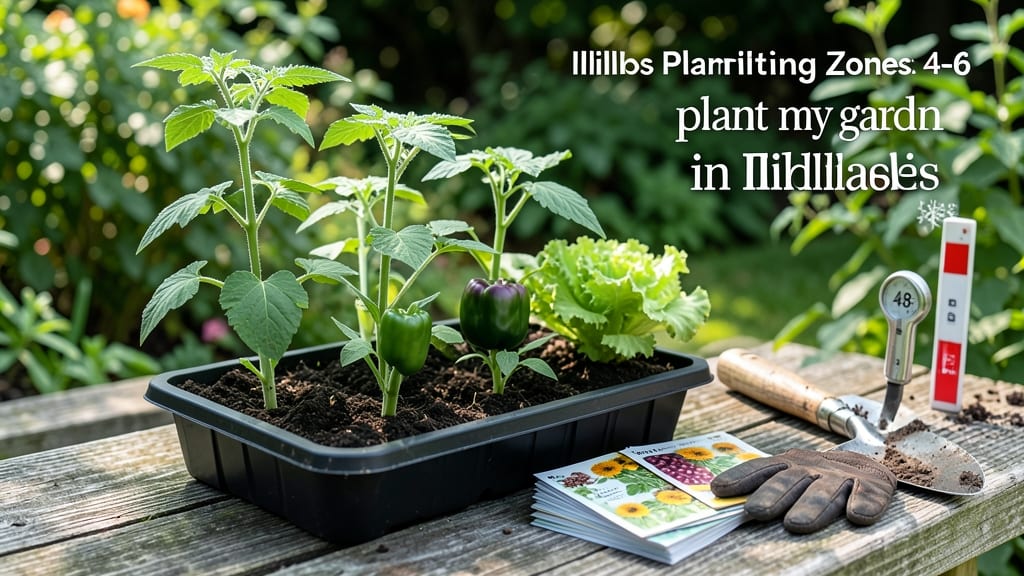
To plant your garden in Illinois, time your crops with the season: cool-season vegetables like spinach and peas should go in early spring (March–April), while warm-season crops such as tomatoes and peppers need to wait until after the last frost (mid-April–May). Southern Illinois can plant 2–4 weeks earlier than northern zones like Chicago.
Timing your garden starts with understanding Illinois's diverse climate zones—USDA zones 5 through 7—where northern areas like Chicago experience later frost dates than southern regions near Carbondale. 🌱 I've found that checking your local frost date (available through the National Weather Service) is the best way to fine-tune planting schedules, especially for delicate seedlings.
For example, while northern Illinois might still have snow in early April, southern counties could already be planting warm-season crops by late March.
Another key factor is soil temperature: cool-season crops thrive when soil reaches 40°F or warmer, while warm-season plants need 60°F or higher.
This explains why even within the same state, a backyard in Chicago might need to wait until May for tomatoes, while a garden in Springfield could start planting them in late April. Always test your soil temperature with a thermometer—it's the most reliable indicator beyond frost dates.
💡 In This Article
- Illinois Planting Zones and Frost Dates by Region
- Best Months to Plant Common Illinois Garden Crops
Illinois planting zones and frost dates by region
Illinois spans three USDA hardiness zones—5 in the northern third (including Chicago), 6 in central areas like Springfield, and 7 in southern regions near Carbondale. These zones determine when your garden can handle frost-sensitive plants, but the real game-changer is the average last frost date.
In northern Illinois, this typically falls between April 15-30, while southern Illinois gardens often see their last frost by March 20-April 10. The difference might seem small, but it translates to 2-4 weeks earlier planting for warm-season crops in the south.
What's fascinating is how microclimates within these zones create even more variation. A backyard near Lake Michigan, for example, might experience later frosts due to the lake's cooling effect, while urban heat islands in Chicago can create pockets where soil warms faster.
I've noticed that raised beds in these areas can be planted 7-10 days earlier than traditional in-ground gardens because they warm up more quickly. 🌱 This is why gardeners in zone 5 Chicago might successfully plant tomatoes in early May when their neighbors in suburban areas wait until mid-May.
The National Weather Service provides 30-year averages for frost dates, but I recommend checking your local cooperative extension service for more precise data. They account for recent climate trends that show Illinois's growing season extending by 1-2 weeks over the past decade.
For instance, while the historical last frost for Chicago was April 20, recent data shows it's now more likely to occur around April 10. This shift means gardeners can push their planting dates earlier than older guides suggest.
Here's what these frost dates mean for your planting schedule: Cool-season crops like kale and carrots can handle light frosts and should be planted 4-6 weeks before your last frost date.
Warm-season plants like peppers need to wait until 2 weeks after that date when soil temperatures consistently stay above 60°F. The transition period between these extremes—typically 1-2 weeks—is when I plant frost-tolerant warm-season crops like bush beans or sweet potatoes, which can handle 50°F soil temperatures.
For container gardeners, these microclimates matter even more. A balcony in downtown Chicago might experience urban heat island effects, allowing you to plant warm-season crops 10-14 days earlier than a suburban yard. The key is monitoring your specific location's conditions rather than relying solely on regional averages.
I always recommend setting up a small soil thermometer to track your garden's unique warming patterns—it's the most accurate way to determine when to plant.
One common mistake I see is assuming all of Illinois follows the same schedule. In reality, the 150-mile north-south stretch of the state creates significant planting windows.
For example, while northern Illinois gardeners might be harvesting their first peas in June, southern Illinois growers could be planting their second succession of lettuce by then. Understanding these regional differences lets you maximize your growing season and avoid the disappointment of frost-damaged seedlings.