
Planting
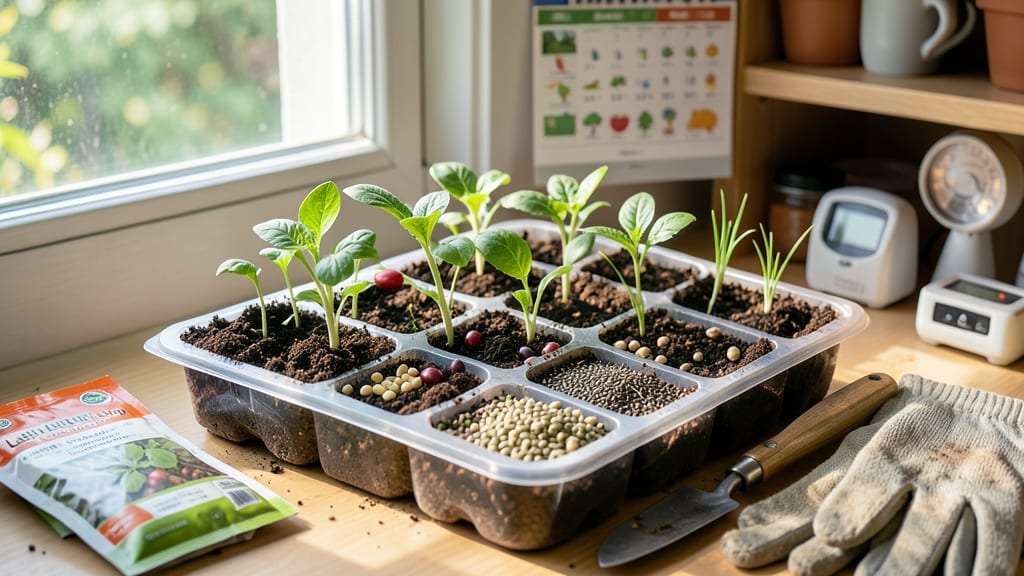
To plant seeds in your garden at the perfect time means catching that narrow window between frost and heat—because even a week off can turn your dreams into disappointment.
Timing your seed planting by your hardiness zone can mean the difference between a thriving garden and a disappointing one—yet many gardeners still guess instead of following science-backed deadlines.
In Zone 6a, where April 15 is your last frost date, cool-season seeds like peas and lettuce need to go in by early March, while warm-season tomatoes and peppers wait until late May.
But what if your yard sits in a microclimate that’s 10°F warmer than the official zone? That’s where the real strategy kicks in.
Below, I break down the exact deadlines by seed type, how to adjust for your local conditions, and the 3 mistakes that wreck even the best-laid plans—so you can finally stop guessing and start growing.
USDA planting zones and their exact seed-sowing deadlines
Understanding your USDA Planting Zone is the first step to successful seed planting. Each zone (3-10) has distinct last frost dates that determine when you can safely sow seeds outdoors. For example, Zone 3 gardeners face earlier frosts than Zone 10, meaning their planting windows are shorter.
Knowing these deadlines helps you avoid frost damage while maximizing your garden's potential.
Seeds are typically divided into cool-season and warm-season categories. Cool-season crops like lettuce and peas thrive in cooler temperatures, while warm-season plants like tomatoes and peppers need consistent warmth.
Your zone dictates when each type should be planted to ensure optimal growth. For instance, warm-season seeds should never be sown until soil temperatures reach at least 60°F.
Here’s how to calculate your local planting window: Start by finding your last average frost date (available via the USDA Plant Hardiness Zone Map). Subtract 4-6 weeks for cool-season seeds and wait until soil warms up for warm-season varieties.
Microclimates—like urban heat islands or sheltered garden spots—can shift these dates by 1-2 weeks, so always adjust accordingly.
🌱
| USDA Zone | Last Frost Date | Cool-Season Deadline | Warm-Season Deadline | Soil Temp Threshold |
|---|---|---|---|---|
| Zone 3 | May 10 | March 20 | June 1 | 55°F |
| Zone 4 | May 1 | March 25 | May 15 | 58°F |
| Zone 5 | April 25 | March 15 | May 1 | 60°F |
| Zone 6 | April 15 | March 1 | April 15 | 62°F |
| Zone 7 | April 1 | February 15 | March 20 | 65°F |
| Zone 8 | March 15 | January 30 | March 1 | 68°F |
| Zone 9 | January 31 | January 1 | February 15 | 70°F |
| Zone 10 | December 15 | November 1 | January 31 | 72°F |
For Zone 5 gardeners, for example, cool-season seeds like spinach should be sown by March 15 to avoid frost damage, while warm-season cucumbers can’t be planted until May 1 when soil temperatures reach 60°F.
Always check seed packets for specific guidelines, as some varieties (like broccoli) tolerate light frosts better than others.
If you’re unsure about your exact zone, use the USDA Zone Finder tool to pinpoint your location. Then, adjust your planting dates based on your microclimate. A south-facing garden bed
How to adjust planting times for your local microclimate
Your USDA zone gives you a starting point, but your garden’s microclimate—the unique conditions in your yard—can shift planting times by weeks or even months. Urban concrete jungles trap heat, while high-altitude gardens experience faster frost than their zone suggests.
Coastal areas might have milder winters but higher humidity, altering soil conditions. The key is understanding how these factors play into your last frost date and soil temperature.
For example, if you’re in Zone 6a but live in a sunny urban pocket, your soil may warm up 10-14 days earlier than the official average. Conversely, a shady backyard or high-elevation plot could delay your planting window.
Ignoring these nuances means risking frost damage or stunted growth from cool soil. Let’s fix that with actionable adjustments tailored to your specific conditions.
- 1 Use a soil thermometer to confirm when soil reaches seed-specific temps (e.g., 40°F for peas, 70°F for tomatoes). Plant only when soil is consistently warm for 3+ days.
- 2 Adjust frost dates by ±2 weeks based on your microclimate. Use local weather stations or Almanac’s frost calculator to refine your last frost date. Add 2 weeks if you’re in a cold pocket; subtract 1 week for warm microclimates.
- 3 Extend your season with succession planting. Sow fast-growing crops (e.g., radishes, lettuce) every 2 weeks to stagger harvests. For warm-season crops, use row covers to plant 2 weeks earlier or black plastic mulch to warm soil faster.
- 4 Monitor coastal vs. inland differences. Coastal gardens may have milder winters but higher humidity, which can delay soil warming. Inland areas often freeze faster at night. Adjust planting times by 1-2 weeks based on your specific conditions.
- 5 Start seeds indoors for high-altitude gardens where frost lingers. Begin 6-8 weeks before your adjusted last frost date for warm-season crops like peppers or eggplants, which need longer to mature in cooler climates.
High-altitude gardeners should also account for thinner air, which can slow plant growth. For every 1,000 feet above sea level, subtract 1°F from your soil temperature and add 1-2 weeks to your planting timeline.
For example, if you’re at 5,000 feet, your last frost date might be 3 weeks later than your zone’s average.
Urban gardeners can leverage heat islands—areas where pavement and buildings trap warmth—to plant earlier in spring. Place a soil thermometer in your garden for 3 days to confirm when soil hits 50°F (ideal for cool-season crops).
If it’s already warm by mid-February, you can start spinach or kale 2 weeks ahead of schedule.
Finally, coastal regions benefit from maritime influence, which moderates temperatures. If you’re near the ocean, your first frost may arrive 2-3 weeks later than inland areas. Use this to your advantage by planting fall crops like broccoli or carrots 1 month later than the zone average.
Pair this with lightweight row covers to protect against unexpected chilly snaps.
By combining soil temperature data, local frost adjustments, and succession planting, you’ll turn your microclimate from a challenge into a longer growing season.
Start with one adjustment—like testing your soil temp—and build from there. Your garden will thank you with healthier plants and bigger harvests! 🌱