
Planting
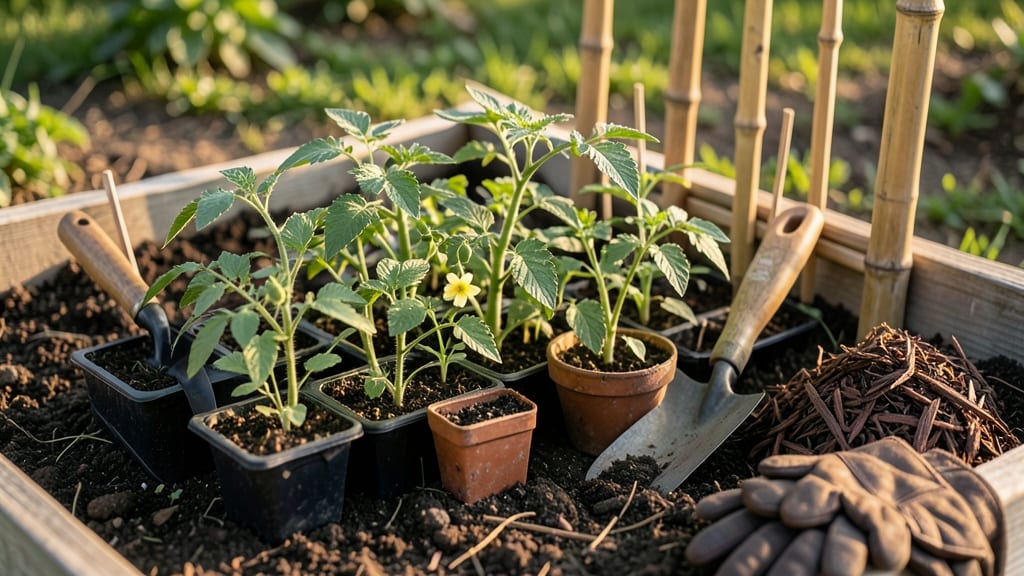
Plant tomato seedlings in the garden only after the soil warms to 60°F and nighttime temperatures stay above 50°F—waiting too long risks stunted growth, while rushing invites frost damage.
Picture this: you’ve nurtured your seedlings for weeks, only to watch them wilt overnight after a surprise frost. Or worse, you plant too early, and their roots struggle in cold soil, leaving you with weak, leggy plants that never produce.
The right timing is the difference between a bountiful harvest and a season of disappointment.
Most gardeners in Zone 6a wait until mid-April to early June, but your exact window depends on your last frost date and soil conditions. I’ll walk you through how to check both—plus, what to do if you miss the boat and need to adjust your planting plan.
By the end, you’ll know exactly when to plant, how to prep your soil for success, and the three critical signs your seedlings are ready to go outside. No more guesswork, just a foolproof checklist for your 🍅 plants.
Soil temperature requirements for planting tomato seedlings
Planting tomato seedlings too early can trigger root rot or stunted growth—even if frost isn't a threat. The ideal soil temperature for transplanting is between 50°F and 60°F, with 60°F being the absolute minimum for healthy root establishment.
Cooler soils slow microbial activity, delaying nutrient uptake and weakening seedlings before they even get started.
In northern climates (USDA Zones 3-5), this often means waiting until late May or early June, while southern regions (Zones 7-10) can plant as early as March or April.
The key is soil warmth, not just air temperature—your seedlings might look fine above ground, but their roots could be struggling in cold soil.
🌱
| Climate Zone | Ideal Soil Temp | Planting Window | Risk if Too Early |
|---|---|---|---|
| Northern (Zones 3-5) | 60-65°F | Late May–June | Root rot, slow growth |
| Midwest (Zones 6-7) | 55-60°F | Mid-April–May | Blossom end rot |
| Southern (Zones 8-10) | 50-55°F | February–March | Pest pressure increases |
| All Regions | Minimum 50°F | After last frost | Check nighttime temps |
To test your soil's readiness, use a soil thermometer (insert 2-3 inches deep) for 3 consecutive days at the same time—morning is best. If temperatures dip below 50°F at night, delay planting.
In cooler climates, black plastic mulch laid 1-2 weeks before transplanting can warm soil by 5-10°F, creating a faster planting window.
Cooler soils also reduce beneficial microbial activity, which means seedlings can't access nutrients efficiently. This leads to yellowing leaves (chlorosis) or weak stems that snap easily. Even if your seedlings are hardened off, their roots need warmth to establish quickly—otherwise, they'll spend weeks struggling instead of growing.
🌡️
For container gardening, soil warms faster, so you can plant 2-3 weeks earlier than in-ground. However, containers also dry out quicker, so monitor moisture closely. If you're in a microclimate (like a south-facing wall or greenhouse), adjust your timeline—these areas can be 10°F warmer than the surrounding garden.
Pro tip: If your soil is too cold but you're eager to plant, bury seedlings deeper (up to the first true leaves) to encourage deeper root growth.
This works best with determinate varieties, which handle transplant stress better than indeterminate types. Just avoid burying the stem above the soil line—this can cause rot.
🪴
Remember, soil temperature isn't the only factor—nighttime air temps should stay above 50°F consistently. Use a minimum-maximum thermometer to track both soil and air temps for a full picture.
If you're in doubt, err on the side of waiting—your tomatoes will thank you with stronger vines and bigger yields all season.
Frost-free window checklist: when to plant by region
Determining the perfect time to plant your tomato seedlings depends on your last frost date and local microclimates. While national averages exist, your garden's specific conditions can shift planting windows by 2-4 weeks.
Start by checking your USDA hardiness zone—most gardeners in Zones 5-7 plant after mid-May, while Zones 8-10 can start as early as late March.
Even within the same zone, factors like elevation, proximity to water, and urban heat islands create microclimates. For example, a south-facing slope warms up faster than a north-facing valley.
Use local heat maps (available from your extension office) to pinpoint warmer pockets in your yard where seedlings can thrive earlier.
- Step 1: Find your last frost date (check Almanac.com or local records)
- Step 2: Subtract 14 days for hardening-off (acclimate seedlings to outdoor conditions)
- Step 3: Verify soil temperature ≥50°F (use a soil thermometer for accuracy)
- Step 4: Adjust for microclimates (e.g., plant 1 week earlier on south-facing slopes)
- Step 5: Plant tomato seedlings at morning's end to reduce transplant shock
Hardening-off is a 14-day process that prepares seedlings for outdoor life. Start by moving them to a shaded, sheltered spot for 2-3 hours daily, gradually increasing exposure. By day 7, they should handle 6+ hours of sun.
In cool climates, use row covers or cold frames to extend the season by 2-3 weeks.
Regional variations matter—gardeners in Zone 5 (e.g., Chicago) typically plant after May 15, while those in Zone 9 (e.g., Los Angeles) can start as early as February 15.
Always cross-reference with 3-year averages of your area's frost dates, as climate change is shifting these windows earlier each year.
Pro tip: Plant early-maturing varieties (like 'Early Girl') 2 weeks before your last frost date for a head start. For heirloom varieties (e.g., 'Brandywine'), wait until 2 weeks after to ensure full-season growth. Always monitor nighttime temperaturesbelow 50°F can stunt seedlings permanently.
Once planted, mulch with straw or shredded leaves to maintain soil warmth and moisture. In hot climates, use white mulch to reflect sunlight and protect roots.
With this checklist, you’ll avoid the 3 most common mistakes: planting too early (frost damage), too late (shortened season), or ignoring microclimates (uneven growth).