
Planting
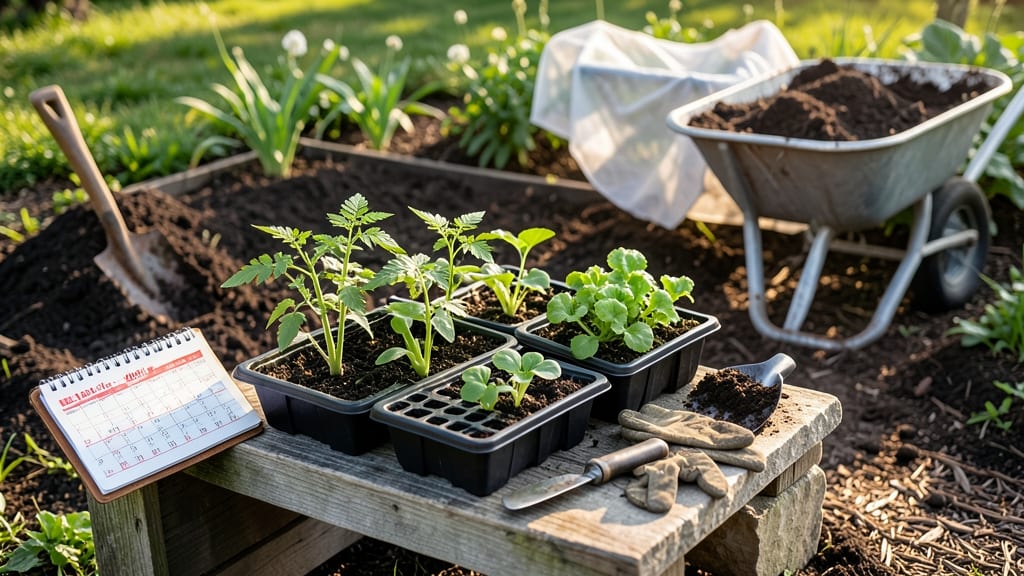
Plant your garden in Ohio between mid-April and mid-May, when soil temperatures hit 60°F and the last frost has passed—this is the fastest way to ensure strong germination and a bountiful harvest.
Ohio’s unpredictable spring weather can make planting your garden a gamble—unless you know the exact zone-specific deadlines that maximize germination rates and avoid frost damage.
With USDA Zone 6a conditions, timing is everything for a thriving harvest, and these science-backed guidelines will help you plan like a pro.
Here’s how to adjust planting times for Ohio’s microclimates, avoid common weather pitfalls, and pick the best fast-germinating vegetables and flowers for your zone.
Ohio garden planting deadlines by hardiness Zone (5a-6b) for maximum germination
Ohio’s gardening success hinges on understanding your USDA hardiness zone—whether you’re in Zone 5a (colder northern regions) or Zone 6b (warmer southern areas). These zones dictate your last frost dates, which separate successful harvests from wasted seeds.
According to NOAA and Ohio State University Extension, Zone 5a typically sees its last frost around April 20-25, while Zone 6b averages April 10-15. Missing these windows can mean stunted growth or lost crops.
For cold-hardy vegetables like peas, spinach, and kale, I recommend planting 4-6 weeks before your last frost. These early starters tolerate 30-40°F soil temperatures and give you a head start.
Meanwhile, warm-season crops such as tomatoes and peppers need to wait until soil warms to 60°F+, usually mid-May to early June in most of Ohio. Skipping this step often leads to poor germination or bolted greens.
Here’s a quick reference for Ohio’s two zones, including ideal planting windows and last frost adjustments based on historical data:
| Zone | Last Frost Date | Early Planting Window | Warm-Season Window | Key Crops |
|---|---|---|---|---|
| 5a (Northern OH) | April 20-25 | March 20 - April 15 | May 15 - June 1 | Peas, Spinach, Kale, Broccoli |
| 6b (Southern/Central OH) | April 10-15 | March 1 - April 1 | May 1 - May 15 | Radishes, Lettuce, Tomatoes, Peppers |
*Adjust dates 1-2 weeks later for urban areas (heat islands) or earlier for rural zones.
In Zone 5a, I prioritize cool-season crops like onions and carrots in early March under row covers. These can handle Ohio’s late spring frosts, which occasionally hit into early May.
Meanwhile, in Zone 6b, I start warm-season crops indoors by late March to transplant after the last frost. This head start ensures tomatoes and cucumbers mature before Ohio’s first frost in mid-October.
For flowers and perennials, timing matters too. Plant pansies and snapdragons in early spring (Zone 5a: April; Zone 6b: March) for early blooms. Daylilies and coneflowers, however, thrive when planted in spring or early fall—avoid late summer heat stress.
I’ve found that fall-planted perennials establish deeper roots before winter, giving them a 2-3 week growth advantage the following spring.
Ohio’s microclimates can shift planting deadlines by 1-2 weeks. For example, urban gardens in Columbus (Zone 6a) often experience heat islands, delaying last frosts by up to 7 days. Conversely, rural areas near Lake Erie may see frosts linger into May 5 due to lake-effect cooling.
Always check local frost-free calculators like the Old Farmer’s Almanac or NOAA’s Climate Data for real-time adjustments.
Pro tip: Use soil thermometers to confirm readiness. Cold-hardy crops need soil temps of 40-50°F, while warm-season plants require 60°F+. I’ve ruined multiple batches of seeds by planting too early—don’t make my mistake! Test your soil for 2-3 days before committing to large plantings.
For summer planting, focus on heat-tolerant crops like okra, sweet potatoes, and Swiss chard. These handle Ohio’s humid summers better than traditional veggies. I plant these in late June to early July, giving them 80-100 days to mature before frost.
Succession planting every 2 weeks ensures a continuous harvest.
Finally, don’t overlook fall planting. Garlic and spinach planted in October overwinter and produce earlier spring harvests. Even broccoli and cabbage thrive when sown in late August for fall and winter harvests. This strategy maximizes your garden’s productivity year-round.
By following these zone-specific deadlines, you’ll avoid the frustration of frost-damaged seedlings and enjoy a bountiful, well-timed harvest. Happy planting! 🌱
How to adjust planting times for Ohio’s microclimates and common weather pitfalls
Ohio’s diverse geography—from the Great Lakes to urban heat islands—creates microclimates that can shift planting windows by weeks. Lake Erie’s cooling effect near Cleveland, for example, can delay spring by 10-14 days compared to Columbus.
Meanwhile, asphalt-heavy cities like Cincinnati trap heat, allowing earlier planting of warm-season crops like tomatoes. Understanding these variations lets you outsmart Ohio’s weather and extend your growing season.
Even with the best last frost dates, Ohio’s late-spring frosts (especially in zones 5a-6a) can wipe out tender seedlings. I’ve lost pepper starts twice to April surprises—until I started using a soil thermometer and frost-free date calculators.
These tools reveal when your specific patch of soil is truly safe, not just when the air temperature hits 50°F. Pair that with companion planting, and you’ll create a buffer against Mother Nature’s whims.
⚠️ WARNING: Ohio’s Hidden Planting Pitfalls ⚠️
- Soil temperature (use a soil thermometer—plants need 50°F+ for germination)
- Local frost-free averages (check NOAA’s Frost/Freeze Tool for your ZIP code)
- Microclimate adjustments (add 1-2 weeks if near water, subtract 1 week in urban heat islands)
For urban gardeners, the key is heat mitigation. My container garden in downtown Dayton gets scorched by blacktop heat, so I:
- Use light-colored containers to reflect heat
- Plant shade-tolerant crops (like bush beans) near taller plants
- Water deeply at dawn to cool roots
Lake-effect zones (within 10 miles of Lake Erie) experience cooler springs and delayed warmth. If you’re in Lorain or Ashtabula, wait until May 1 for warm-season crops—even if Columbus is planting by April 15.
I test soil moisture weekly in my raised beds near the lake; if it’s still below 55°F in early May, I hold off on peppers and eggplants.
Extend your season with season extenders. After my first frost in October, I use:
- Cold frames for leafy greens (adds 3-4 weeks of harvest)
- Row covers to protect broccoli and cabbage from light frosts
- Greenhouse trays for starting spring crops in February (yes, really!)
Remember: Ohio’s weather patterns are shifting. Over the past decade, my last frost date has crept 3-5 days earlier each year. Use local gardening groups (like those on Facebook or Ohio State Extension forums) to crowdsource updates.
The more data you gather, the better you’ll adapt—because in Ohio, flexibility is your best tool. 🌱