
Tools
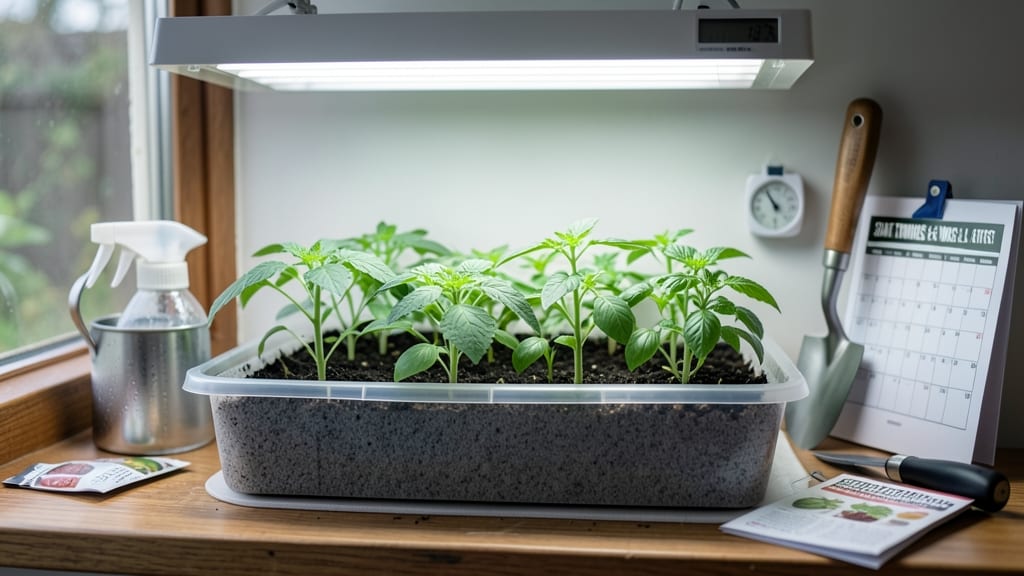
Starting garden seeds indoors 6-8 weeks before your last frost date is the secret to a head start on the growing season—especially in Zone 6, where timing can make or break your harvest.
Picture this: you’ve got your seed-starting mix ready, the grow lights set up, and your 🌱 General Garden Seeds (Indoor Start) lined up—only to realize too late that your seedlings are stretching toward the window like they’re auditioning for a ballet. That’s the frustration of getting the timing wrong.
But here’s the good news: with a few simple calculations—like knowing your last frost date and how long your plants need to mature—you can avoid the leggy seedling disaster.
I’ll walk you through the exact countdowns for your zone, plus how to adjust for early starts, slow growers, and even those finicky herbs that refuse to cooperate.
By the end, you’ll know not just when to start your seeds, but how to give them the perfect head start—so they’re ready to hit the garden strong once the weather warms up.
Zone-by-Zone indoor seed starting countdowns for optimal transplant timing
Getting your indoor seed starting timing right means the difference between robust seedlings and wasted effort. Every USDA hardiness zone has unique last frost dates, so knowing when to start seeds indoors ensures your plants mature in time for transplanting.
Whether you're growing tomatoes, peppers, or herbs, this zone-by-zone guide breaks down the perfect countdown for your region.
Most gardeners follow the 6-8 week rule—start seeds indoors that many weeks before your average last frost date. But in Zone 3, where winters are harsh, you might start earlier, while in Zone 10, you could delay until late winter.
Let’s dive into the specifics for each zone to help you plan like a pro.
Pro Tip: Always check your local extended weather forecasts for early or late frost warnings. Adjust your seed-starting schedule by 1-2 weeks if needed to avoid transplanting too early or too late.
| USDA Zone | Last Frost Date | Start Indoors (6-8 Weeks Before) | Transplant Window | Key Crops to Start Early |
|---|---|---|---|---|
| Zone 3 | May 15 | March 1 - March 15 | April 20 - May 10 | Tomatoes, Peppers, Broccoli |
| Zone 4 | May 1 | March 15 - March 30 | April 15 - April 30 | Tomatoes, Eggplant, Basil |
| Zone 5 | April 20 | March 1 - March 15 | April 1 - April 15 | Peppers, Cucumbers, Herbs |
| Zone 6 | April 15 | February 20 - March 10 | March 30 - April 10 | Tomatoes, Lettuce, Spinach |
| Zone 7 | April 1 | February 15 - February 28 | March 15 - March 30 | Peppers, Eggplant, Herbs |
| Zone 8 | March 15 | January 20 - February 10 | March 1 - March 15 | Tomatoes, Basil, Cucumbers |
| Zone 9 | February 15 | January 1 - January 15 | February 15 - March 1 | Peppers, Lettuce, Herbs |
| Zone 10 | January 1 | November 15 - December 15 | January 15 - February 1 | Tomatoes, Basil, Cucumbers |
For Zone 3 gardeners, starting seeds in early March ensures your tomatoes and peppers have enough time to mature before the late spring frost. In Zone 10, where frost is rare, you can start seeds as early as November for a winter harvest.
Always verify your local last frost date—urban areas can be 2-3 weeks later than rural zones due to the urban heat island effect.
If you’re growing slow-maturing plants like broccoli or cabbage, consider starting them 8-10 weeks before your last frost date. For fast growers like radishes or lettuce, you can wait until 4-6 weeks before transplanting. Adjust based on the seed packet instructions—they often list ideal indoor starting times.
Don’t forget to account for hardening off, a critical 7-10 day process where seedlings acclimate to outdoor conditions. Start this process 1-2 weeks before transplanting to avoid shock. Place seedlings outdoors in morning sunlight for a few hours daily, gradually increasing exposure.
For herbs like basil, which are heat-loving, wait until soil temperatures reach 55°F before transplanting. In Zones 3-5, this might mean
Critical factors that determine your exact indoor seed starting date
Starting seeds indoors at the wrong time can mean the difference between robust seedlings and sad, leggy failures.
Your exact seed-starting date depends on four key factors: the seed packet instructions, your local last frost date, the light and temperature needs of your plants, and even your urban vs. rural microclimate.
Ignore any one of these, and you might end up with seedlings that are either too small or too large for transplanting.
Most seed packets include a days-to-maturity estimate, which tells you how long it takes for the plant to produce edible fruits or flowers.
For example, a tomato seed with a 70-day maturity needs to start indoors 6-8 weeks before your last frost date so it can grow large enough to thrive outside. But this is just the starting point—your actual timeline will shift based on your specific growing conditions.
- 🌱 Seed Packet Guidelines: Always check the days-to-germination and days-to-maturity on the packet. Fast growers like radishes (30 days) can start later, while slow growers like tomatoes (70+ days) need an early start.
- 📅 Last Frost Date: Use your USDA hardiness zone to find your average last frost date. Zone 5 gardeners (e.g., Chicago) might start tomatoes in March, while Zone 10 (e.g., Los Angeles) can wait until February.
- ☀️ Light Requirements: Plants needing 12+ hours of light (like peppers) may require grow lights if your windowsill isn’t sunny enough. Without enough light, seedlings stretch toward the window, becoming weak and leggy.
- 🌡️ Temperature Needs: Most seeds germinate best between 65-75°F. Cool homes (below 60°F) may need a seedling heat mat to speed up germination. Herbs like basil prefer warmer soil (70-80°F).
- 🏙️ Microclimate Differences: Urban areas with concrete heat islands may have earlier last frosts than rural zones. Check local weather stations or ask fellow gardeners for hyper-local frost dates.
Your local microclimate can also throw off your timing. Urban gardens often experience earlier last frosts due to heat absorption from buildings and pavement, while rural areas might have later frosts.
For example, a Zone 7 city garden in Phoenix could start seeds in late January, while a Zone 7 farm in the mountains might wait until mid-February. Always adjust by 1-2 weeks based on your specific location.
Adjusting for early or late seasons is another critical skill. If you’re in a region with unpredictable weather (like the Midwest), start your heat-loving plants (peppers, eggplants) indoors 2 weeks earlier than the packet suggests.
Conversely, if you’re in a long, mild growing season (like Zone 10), you can delay starting cool-season crops (lettuce, spinach) until late winter.
Don’t forget to harden off your seedlings before transplanting! This means gradually exposing them to outdoor conditions over 7-10 days to prevent shock. Start by placing them outside for 1-2 hours in a sheltered spot, then increase the time daily.
If you skip this step, your seedlings may wilt or bolt when moved to the garden.
By factoring in these critical variables, you’ll create a seed-starting schedule tailored to your unique growing conditions. The result? Healthy, sturdy seedlings ready to thrive in your garden—no more wasted time or leggy failures! 🌱