
Tools
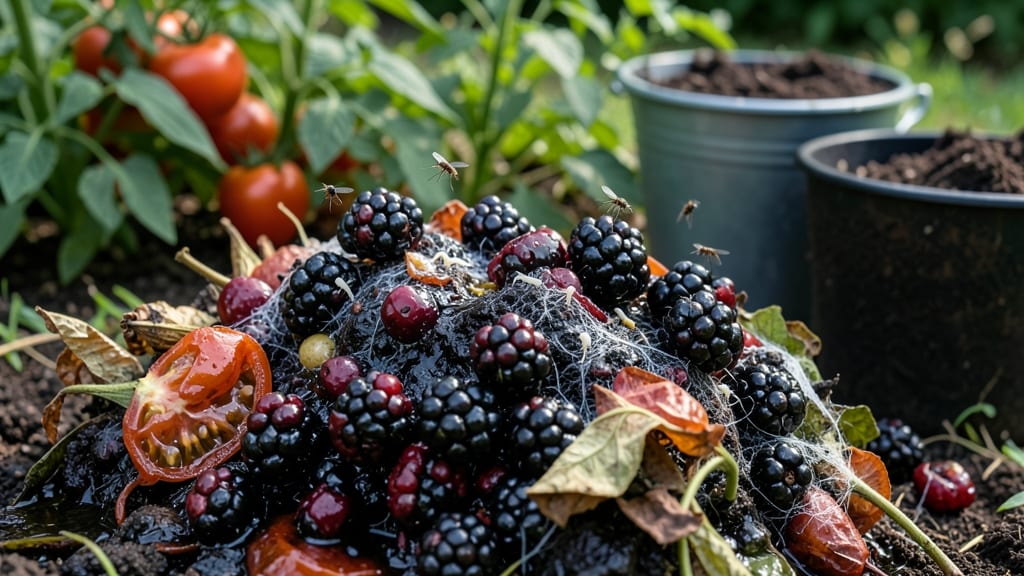
If there are so many flies in your garden, it's likely due to rotting food scraps, overripe produce, or standing water creating breeding hotspots, while decaying plant matter and pet waste attract common pests like fruit flies and houseflies.
Flies thrive in gardens because they're drawn to three key resources: food, moisture, and shelter. 🔥 Overripe fruit and fallen produce act as fly magnets, while damp soil or stagnant water becomes their breeding ground.
Even pet waste or compost piles can become infestation hubs if left uncovered. The warmer months accelerate their life cycles, turning a small problem into a full-blown swarm within days.
What's interesting is how quickly these pests multiply—some species can develop from egg to adult in just 7-10 days under ideal conditions. The good news? Targeting these breeding sites with simple solutions like vinegar traps or proper compost management can dramatically reduce their numbers within 24-48 hours.
I've found that consistency is key—addressing moisture issues and removing decaying matter prevents them from returning.
💡 In This Article
- Common Garden Fly Types and Their Breeding Triggers
- Natural and Chemical Solutions to Reduce Garden Flies
Common garden fly types and their breeding triggers
Your garden isn't just hosting random flies—it's likely a mix of three primary species, each with distinct breeding habits. Fruit flies (Drosophila) thrive in rotting fruit and fermenting plant matter, completing their life cycle in just 7-10 days when temperatures hit 75-85°F.
These tiny, tan flies are often the first to appear after you leave overripe tomatoes or dropped peaches on the soil. Meanwhile, fungus gnats prefer damp organic matter, laying eggs in moist potting soil where they develop in 10-14 days, creating a swarm around your houseplants.
The most visible offenders are houseflies (Musca domestica), which breed in decaying organic waste like pet feces, uncovered compost, or even standing water. A single female can lay up to 500 eggs in her lifetime, and their larvae thrive in warm, humid conditions.
The key difference? Houseflies need protein-rich decaying matter, while fruit flies are sugar-driven. This explains why you might see swarms around your compost pile one day and hovering near your fruit trees the next—each species is targeting its preferred food source. 🔥
Seasonal changes dramatically accelerate infestations. Spring and summer's warmth (especially 70°F+) triggers rapid reproduction cycles, while autumn's fallen leaves create perfect breeding grounds. I've noticed that after heavy rains, fungus gnat populations explode within 48 hours as soil moisture spikes.
The life cycle of these pests is perfectly synchronized with garden conditions—rotting matter, standing water, and warm temperatures create a perfect storm for their population growth.
What's often overlooked is how flies use your garden's microclimates. Shady, damp corners under mulch or near drip irrigation lines become fungus gnat hotspots, while sunny compost piles attract houseflies. Even pet waste left on lawns can become a breeding site within 24 hours during warm weather.
The key to control starts with understanding these specific triggers—each fly species has its own preferred breeding environment that you can disrupt with targeted solutions.
Consider this visual breakdown of their preferences:
- Fruit flies: Rotting fruit, fermenting plant matter, overripe produce
- Fungus gnats: Damp potting soil, compost piles, mulch
- Houseflies: Pet waste, uncovered trash, standing water
Understanding these patterns helps explain why you might see different fly types at different times of year or in different areas of your garden. The solution always starts with identifying which species you're dealing with and where they're breeding most heavily. ✨