
Tools
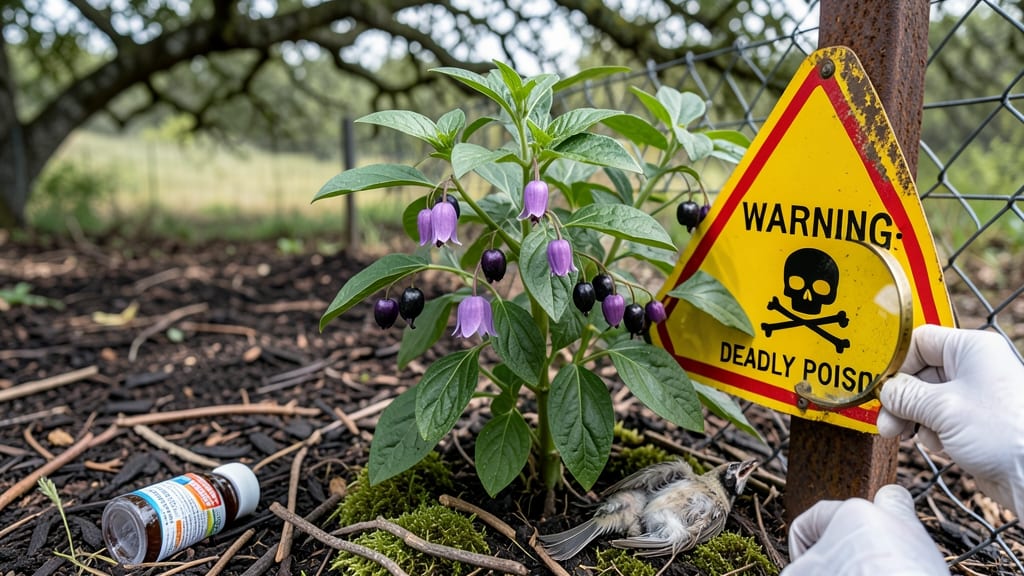
The world's deadliest garden features toxic plants like castor beans, oleander, and foxglove, which contain deadly compounds like ricin, cardiac glycosides, and digitalis. Growing them requires strict safety protocols—gloves, sealed containers, and proper disposal—to prevent poisoning or fatal exposure.
The world's most lethal botanical collection isn't just dangerous—it's a biochemical powerhouse. 🔥 These plants don't just cause discomfort; ricin from castor beans can kill in days by shutting down protein production, while foxglove's digitalis disrupts heart rhythms with just a few leaves.
Even oleander, often grown as an ornamental, contains compounds so potent that inhaling smoke from burning branches can be fatal. What makes these plants particularly insidious is how easily their toxins can enter the body—through ingestion, skin contact, or even airborne particles.
Beyond the obvious dangers, these plants require specialized cultivation techniques. Most gardeners would never attempt growing them without proper training, yet some collectors pursue these specimens for scientific study or horticultural curiosity.
The key to safe handling lies in understanding each plant's unique toxicity profile and implementing layered protections—from sealed growing containers to immediate medical response plans. This isn't just about wearing gloves; it's about treating these plants with the same caution as handling radioactive materials.
💡 In This Article
- Toxic Compounds in Deadly Garden Plants
- Safety Guidelines for Cultivating Dangerous Plants
Toxic compounds in deadly garden plants
At the heart of these lethal botanicals lies a biochemical arms race between plants and predators. Ricin, found in castor beans, works by permanently binding to ribosomes—the cellular machinery that builds proteins.
A single seed contains enough ricin to kill an adult, and the toxin requires no digestion to activate. 🔥 Unlike many poisons that cause rapid symptoms, ricin's effects unfold over days, targeting the liver and spleen first before shutting down protein synthesis entirely.
The lethal dose for humans sits at just 0.5-1 milligram per kilogram of body weight—about the weight of a few grains of salt.
The cardiac glycosides in foxglove and oleander take a different approach by mimicking natural hormones that regulate heart function. These compounds, like digoxin and digitoxin, bind to sodium-potassium pumps in heart cells, causing dangerous arrhythmias.
A single leaf of foxglove contains enough digitalis to be fatal, and symptoms appear within hours—nausea, blurred vision, and eventually cardiac arrest. The margin of safety is razor-thin: therapeutic doses used in heart medications differ from lethal doses by just 0.1 milligrams.
What makes these plants uniquely dangerous is how multiple exposure pathways exist. Ricin can enter through broken skin or inhalation, while cardiac glycosides are readily absorbed through mucous membranes. Even the act of burning oleander branches releases toxic fumes that can cause respiratory failure.
The plants' ornamental appeal compounds the risk—many gardeners unknowingly cultivate these species for their attractive flowers or glossy leaves, unaware of the silent threat they pose.
Potency comparisons reveal just how extreme these risks are. For context, the deadly nightshade's atropine requires 10-20 milligrams to kill an adult, while foxglove's digitalis needs only 1-2 milligrams. This makes foxglove roughly 10 times more potent than its infamous cousin.
The key difference lies in how these compounds interact with human biochemistry—digitalis directly interferes with cellular ion pumps, while atropine primarily affects neurotransmitter systems.
Environmental factors further amplify these dangers. Heat and humidity accelerate toxin production in plants, meaning summer-grown specimens contain higher concentrations. Even the act of cutting or crushing these plants releases airborne particles that can cause poisoning through inhalation.
This is why professional collectors maintain negative air pressure in growing rooms—preventing accidental inhalation is just as critical as avoiding ingestion.
Understanding these mechanisms explains why these plants demand such extreme caution. Unlike typical garden toxins that might cause stomach upset, these compounds target vital organs with surgical precision.
The lack of immediate symptoms—often a delay of hours or days—makes them particularly insidious, allowing exposure to go unnoticed until it's too late.