
Planting
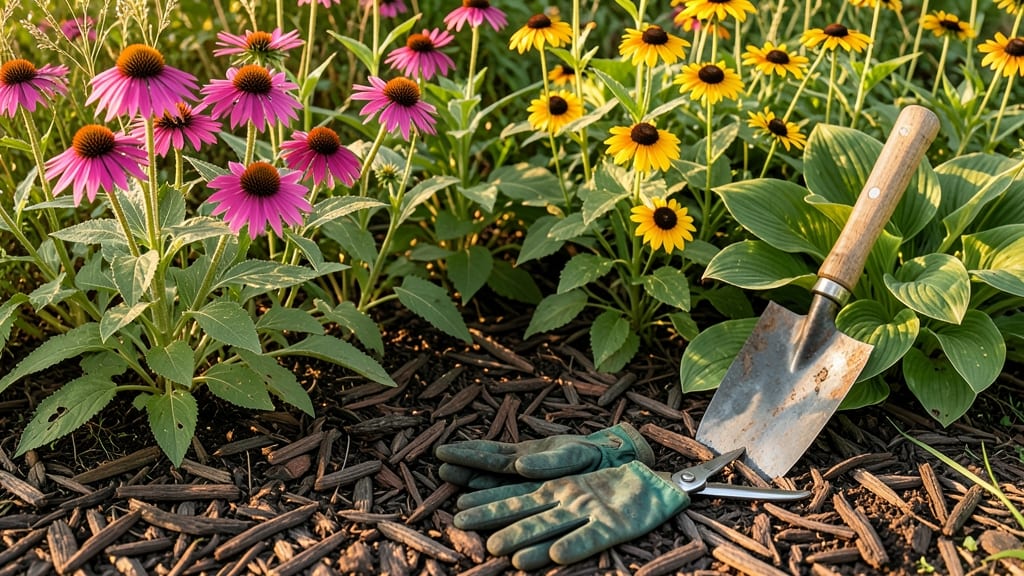
Zone 5 gardening succeeds in cold-climate regions where winters dip to -15°F to -10°F (-26°C to -23°C), demanding frost-resistant plants, strategic planting schedules, and protective techniques like mulching to safeguard your garden through harsh seasons.
This hardiness zone covers states like New York, Wisconsin, and Colorado, where freeze-sensitive plants need special care.
The key is selecting perennials and vegetables that can withstand 200-300 hours below 32°F annually, while adjusting planting times to avoid early frosts. 🌱 I've found that extending seasons with row covers or cold frames can add 2-4 weeks of growing time, making a big difference for warm-season crops like tomatoes and peppers.
What sets Zone 5 apart is its microclimate variations—urban areas often stay warmer than rural spots, and slopes get more sun exposure. Testing your exact zone using the USDA map and tracking local frost dates helps tailor your planting plan for maximum success.
The right preparation turns these challenges into opportunities for a thriving garden.
💡 In This Article
- Understanding the Zone 5 Plant Hardiness Map
- Seasonal Planting Calendar for Zone 5 Gardens
Understanding the Zone 5 plant hardiness map
The USDA Plant Hardiness Zone Map divides North America into 13 zones based on average annual minimum winter temperatures. Zone 5 spans regions where temperatures typically drop to -15°F to -10°F (-26°C to -23°C), creating a unique set of challenges and opportunities for gardeners.
This classification helps determine which plants can survive your local winters, with each half-zone (5a and 5b) representing a 5°F difference in cold tolerance.
For example, Zone 5a (average lows of -20°F to -15°F) is colder than 5b (-10°F to -15°F), affecting which perennials and shrubs thrive in your specific area.
What makes Zone 5 gardening particularly interesting is how these temperature thresholds translate into plant survival. Most Zone 5 plants can endure 200-300 hours below 32°F annually, but the duration of cold exposure matters just as much as the temperature itself.
For instance, a 10-day stretch at 15°F will stress plants more than a single night at -15°F because prolonged cold causes deeper cellular damage. This is why hardy varieties like Russian olive trees or crabapples thrive—they've evolved to withstand extended cold periods through specialized biochemical adaptations in their cells.
To determine your exact microclimate, go beyond the general zone map. Factors like elevation, proximity to water bodies, and urban heat islands can shift your effective zone by 1-3 zones.
For example, Denver (Zone 5b) can feel like Zone 6 in city centers due to concrete absorbing heat during the day. I recommend using the USDA Interactive Map to pinpoint your location, then observe your garden's performance over 3-5 years to refine your understanding.
This precision helps you select plants that match your specific conditions rather than relying on broad generalizations.
Zone 5's temperature extremes also influence plant dormancy cycles. Many perennials enter dormancy when nighttime temperatures consistently drop below 40°F, while others need a period of 1,000-1,500 chilling hours below 45°F to break dormancy in spring.
This is why some plants flower reliably in Zone 5 while others struggle—it's not just about surviving winter but also about meeting these specific cold exposure requirements. Understanding these patterns lets you choose plants that align with your local climate's natural rhythms.
For gardeners new to Zone 5, the key takeaway is that this zone rewards those who embrace its challenges. While Zone 5 might seem limiting compared to milder climates, its longer growing seasons (when you account for frost-free days) and rich soil conditions create opportunities for productive gardens.
The right plant selection—combining native species with cold-hardy cultivars—can transform what might seem like a harsh climate into a gardener's paradise. 🌿
Consider these practical steps when working with the Zone 5 map: first, identify your specific subzone (5a or 5b) using the interactive tool. Then, group your plants by their cold tolerance ranges—this helps visualize which species can coexist in your garden.
For example, peony roots (Zone 3-8) will thrive alongside Russian sage (Zone 5-9), while lavender (Zone 5-8) might need winter protection in colder 5a areas.