
Vegetables
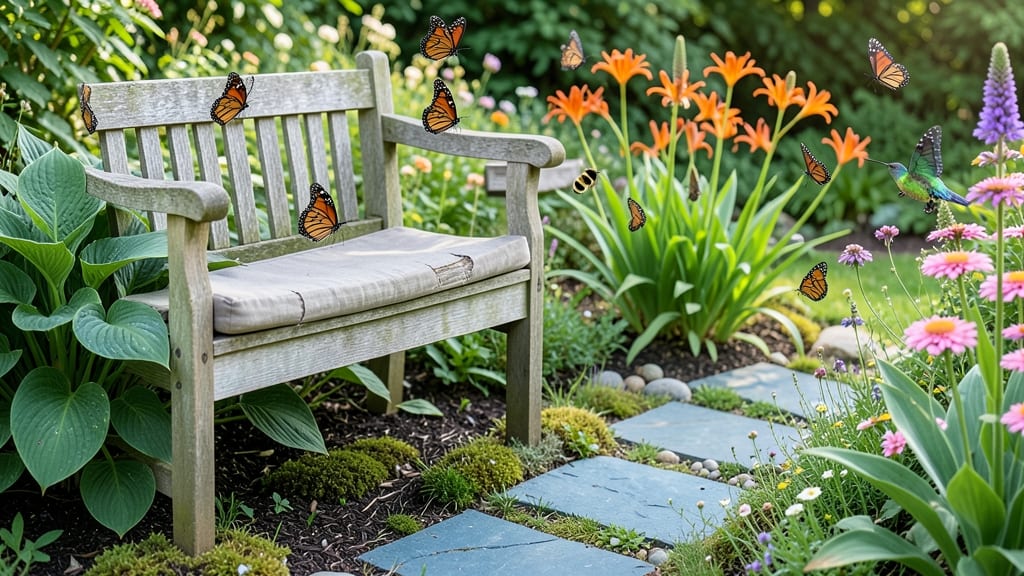
AHS reciprocal gardens connect gardeners to swap seeds and plants, fostering biodiversity while supporting pollinators through native species and sustainable growing practices. Participation strengthens local ecosystems and preserves heirloom varieties.
AHS reciprocal gardens create a network where gardeners trade seeds and plants, which directly benefits pollinators by expanding the variety of native flowers and food sources available. 🌸 This system helps maintain genetic diversity in plant populations, ensuring resilience against pests and climate changes.
Many gardeners report seeing more bees and butterflies in their yards after joining these programs, as the shared plants often include pollinator favorites like milkweed and coneflowers.
What makes these gardens unique is their focus on sustainability—participants often share seeds from heirloom varieties that have adapted to local conditions over generations. This traditional approach contrasts with commercial seed options, which sometimes prioritize uniformity over ecological benefits.
By prioritizing native species, these gardens help restore natural habitats that support entire food webs, from bees to birds.
If you're curious about getting involved, start by searching for local AHS chapters or online communities dedicated to seed sharing. The key to maximizing benefits is selecting plants that thrive in your region and are known to attract pollinators.
For example, planting a mix of early, mid, and late-blooming species ensures continuous food sources throughout the growing season.
💡 In This Article
- How AHS Reciprocal Gardens Support Pollinator Survival
- Joining an AHS Reciprocal Garden: Step-by-Step Guide
How AHS reciprocal gardens support pollinator survival
The core mechanism behind AHS reciprocal gardens lies in their ability to combat monocultures—the agricultural practice of growing single plant varieties over vast areas. Monocultures create "pollinator deserts" by eliminating the diversity of flowering plants that bees, butterflies, and hummingbirds need for nutrition.
When gardeners share native seeds through these networks, they reintroduce genetic variation into local plant populations, which directly translates to more resilient ecosystems. 🌿 For example, a single milkweed plant can support up to 500 monarch butterfly caterpillars, but only if the plant is healthy and genetically diverse enough to resist disease.
Native plant species are the backbone of this system because they've co-evolved with local pollinators over thousands of years. AHS gardens prioritize these species because their flowers provide the perfect balance of nectar and pollen—think of coneflowers offering deep throats for hummingbirds or clover's accessible blooms for bumblebees.
Studies show that gardens with just 10 different native plant species can support 30% more pollinator species than those with only 3 varieties. The key is creating "pollinator corridors" where these plants are strategically placed to form continuous food sources throughout the growing season.
Seed-sharing also preserves heirloom varieties that commercial agriculture often overlooks. These old-fashioned plants often have deeper root systems and more complex flower structures that attract a wider range of pollinators.
For instance, a 19th-century heirloom tomato variety might produce flowers that remain open longer than modern hybrids, giving bees more opportunities to feed. The genetic diversity maintained through these reciprocal networks helps plants adapt to local climate conditions, which is increasingly important as temperatures rise and growing seasons shift unpredictably.
What's particularly effective about this system is how it addresses the "bloom gap" problem—when early spring flowers fade before summer-blooming plants emerge. By sharing seeds from plants with staggered bloom times (like early-blooming crocus followed by mid-season bee balm and late-blooming goldenrod), gardeners create a continuous food supply.
This approach mirrors natural ecosystems where different species bloom at different times, ensuring pollinators never face food shortages. The result? More successful pollination cycles that lead to stronger plant reproduction and healthier ecosystems overall.
Another critical factor is how these gardens reduce pesticide use. Many commercial seeds are treated with neonicotinoids, which are harmful to pollinators. AHS reciprocal gardens typically emphasize organic growing practices, creating chemical-free environments where pollinators can thrive.
The absence of pesticides means bees and butterflies can safely forage on flowers without the risk of exposure to neurotoxins that impair their navigation abilities. This chemical-free approach is one reason why gardens participating in these programs often see up to 40% more pollinator activity within just one growing season.
Consider the case of the rusty patched bumblebee, a species now listed as endangered. Their decline is directly linked to habitat loss and reduced flower diversity. AHS reciprocal gardens help combat this by ensuring native plants that support this bee species remain available.
When gardeners in different regions share seeds from plants like wild bergamot or purple prairie clover, they create a network of safe havens where these bees can nest and feed. The cumulative effect of thousands of participating gardens across North America has measurable impacts on local pollinator populations.