
Succulent
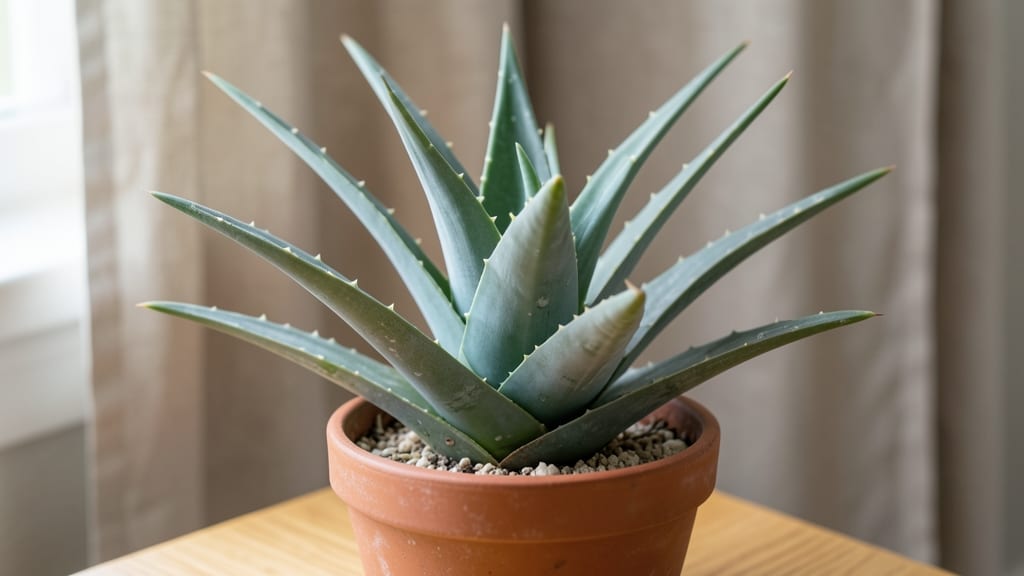
Growing aloe vera in gardens is simple: it thrives in well-draining soil with full sun exposure and minimal watering to prevent rot, while its gel offers medicinal benefits and decorative appeal.
This desert native adapts beautifully to Mediterranean climates, making it a perfect low-maintenance addition to your outdoor space. 🌵 The key is replicating its natural habitat—think sandy, gritty soil that mimics its origins while providing just enough moisture to keep roots happy without drowning them.
Beyond its practical uses, aloe vera's striking rosette shape adds architectural interest to garden beds or containers, especially when paired with other drought-tolerant plants like sedum or echeveria.
What many gardeners don't realize is how versatile aloe vera can be beyond the garden. The gel inside its leaves has soothing properties for minor burns or skin irritations, and you can harvest it year-round with just a sharp knife and a little care.
I've even seen creative uses like infusing the gel into homemade lotions or using the leaves as natural pest deterrents—just place a few near your plants to keep ants and aphids at bay.
💡 In This Article
- Optimal Conditions for Growing Aloe Vera Outdoors
- Creative Ways to Use Aloe Vera in Landscaping
Optimal conditions for growing aloe vera outdoors
Aloe vera's success in gardens stems directly from replicating its native desert environment. The plant evolved in arid regions where soil is well-draining and sandy, preventing water from pooling around roots—a condition that leads to rot.
Ideal pH levels range between 6.0 and 8.0, though it tolerates slightly alkaline conditions.
The gritty texture of desert sand mimics this by allowing excess moisture to evaporate quickly, which is why gardeners often mix perlite or coarse sand into potting soil (about 20-30% by volume) to replicate these conditions. 🌵
Sunlight is non-negotiable for aloe vera, which requires 6-8 hours of direct sunlight daily to maintain its vibrant green color and prevent stretching (a sign of insufficient light). In hotter climates, afternoon shade helps prevent leaf burn, but morning sun exposure is crucial for photosynthesis.
Temperature-wise, aloe vera thrives in USDA zones 9-11, where winter temperatures rarely drop below 40°F. Below this, the plant becomes dormant, and leaves may turn brown or mushy—a clear signal to move it indoors or provide protection.
Watering frequency is where many gardeners go wrong. Aloe vera stores water in its thick leaves, so overwatering is the fastest way to kill it. The rule of thumb is to water every 2-3 weeks during active growth (spring and summer) and reduce to once a month in winter.
A simple test is to stick your finger 2 inches into the soil: if it's dry, it's time to water. Overwatering causes the roots to suffocate, leading to a telltale yellowing of the leaves—a sign that's often irreversible if ignored. 💧
One often overlooked factor is humidity. While aloe vera can tolerate dry air, high humidity (above 60%) can encourage fungal growth, especially in the crown where leaves meet the soil. This is why container gardening works so well—it allows you to control moisture levels more precisely.
If you notice white, powdery spots on the leaves, it's likely powdery mildew, a sign that the plant is getting too much moisture from the air or soil. Reduce watering and improve air circulation to resolve this.
For gardeners in cooler climates, choosing the right location is critical. Aloe vera can survive in USDA zones 8 and below if grown in containers and brought indoors during winter.
A south-facing window or a sunny patio provides the necessary light, while a grow light can supplement during shorter winter days. The key is consistency: aloe vera may slow its growth in cooler conditions, but it will bounce back once temperatures rise again.
This adaptability makes it a resilient choice for both tropical and temperate gardens. ✨
Finally, consider the container size if growing in pots. Aloe vera has a shallow root system, so a container that's at least 6-8 inches deep and wide is ideal for mature plants. Overly large pots retain too much moisture, while undersized ones restrict growth.
Drainage holes are a must—without them, water accumulates at the bottom, creating the perfect conditions for root rot.
A quick way to check if your setup is right is to observe the plant's leaves: firm, upright leaves mean you're on the right track, while soft, drooping leaves signal a problem with water or light. 🌿