
Plants
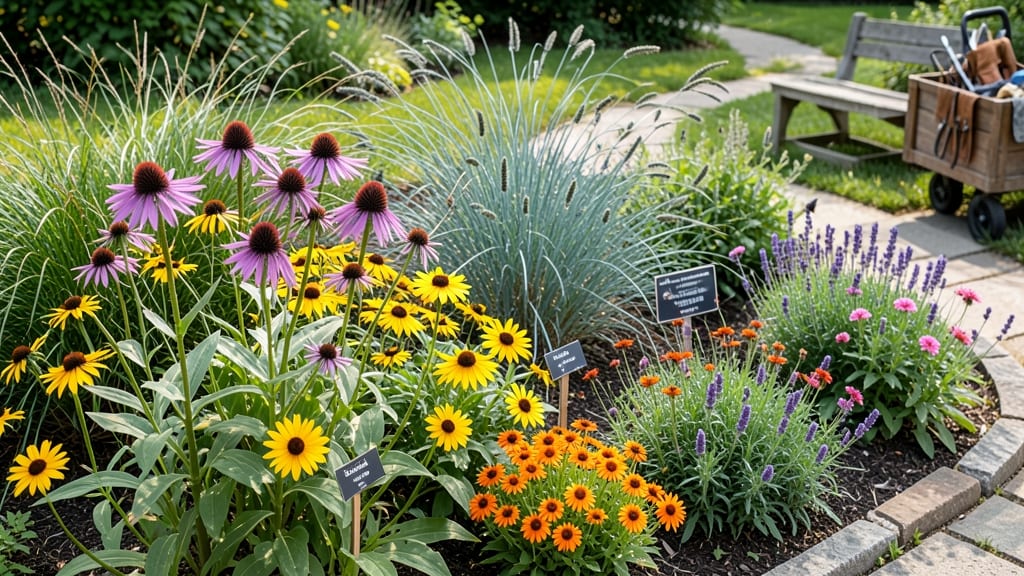
The American Horticultural Society reciprocal garden network connects plant enthusiasts to share rare seeds, cuttings, and divisions through a trusted exchange system, fostering biodiversity and reducing costs for gardeners nationwide.
The American Horticultural Society (AHS) reciprocal garden network is a membership-based program where plant lovers trade rare species without spending money. 🌱 This system relies on a cataloging database where members list what they're offering, from heirloom roses to unusual succulents, and request specific plants they want to grow.
Regional coordinators verify listings to maintain quality standards, ensuring you get healthy, well-sourced plant material. What makes this network special is how it brings together gardeners of all skill levels—novices can learn from experts while experienced growers expand their collections.
Beyond the practical benefits, this network helps preserve plant biodiversity by circulating rare varieties that might otherwise disappear from commercial markets. 🌿 Many members use it to acquire plants they couldn't afford to purchase, like specialty orchids or cold-hardy perennials.
The exchange process is designed to be low-stress, with clear guidelines for packaging, shipping, and documentation to protect both parties. Whether you're a seasoned horticulturist or just starting your garden journey, this program offers an affordable way to diversify your plant collection while connecting with like-minded enthusiasts nationwide.
💡 In This Article
- How the AHS Reciprocal Garden Network Facilitates Plant Exchange
- Top Benefits of Joining the AHS Plant Swap Network
How the AHS reciprocal garden network facilitates plant exchange
The American Horticultural Society's reciprocal garden network operates like a global plant-sharing marketplace, but with strict quality controls. To participate, you must first become an AHS member (starting at $70/year for individuals) and then register your garden through the network's online portal.
This process involves submitting detailed information about your growing conditions—like USDA hardiness zone, soil type, and sunlight exposure—which helps match you with compatible plants. The system uses a point-based system where you earn credits for what you share and spend credits to request plants, ensuring fairness in exchanges.
Once registered, you'll access the network's cataloging database, which is organized by plant type, size, and maturity stage. For example, a member offering 10 divisions of hostas might list them as "established clumps ready for spring planting," complete with photos and growth details.
Regional coordinators (volunteer experts assigned to geographic areas) review all listings to verify health and accuracy, preventing misrepresented or diseased plants from entering circulation. 🌿 Shipping protocols require padded packaging, moisture-retaining materials, and clear labels indicating care instructions—like "keep roots cool" for bare-root plants or "avoid direct sunlight" for tropical cuttings.
The exchange process begins when you request a plant through the system, which automatically notifies the offering member. Most transactions involve mailing small, lightweight items like seeds or cuttings, but larger divisions (such as 3-gallon shrubs) may require coordination for local pickup.
The network provides standardized documentation, including a "Plant Exchange Agreement" that outlines responsibilities like quarantine periods for new arrivals (typically 2-4 weeks) to monitor for pests. This structured approach minimizes risks while keeping the process simple—even beginners can navigate it with the network's step-by-step guides.
What sets this system apart is its emphasis on biodiversity preservation. Many members specialize in rare or endangered species, like heirloom tomatoes or native wildflowers, that commercial nurseries often overlook. The network's database tracks these varieties, helping gardeners discover plants they might never find in stores.
For instance, a member in Zone 5 could request a cold-hardy Japanese maple from a grower in Zone 6, knowing the plant has been tested for resilience in their climate. This geographic matching reduces failure rates and builds a more resilient plant community nationwide.
Technology plays a key role in streamlining the process. The AHS platform includes a mobile app for tracking requests, uploading photos, and updating shipping statuses in real time. Notifications alert you when a requested plant becomes available or when a member needs help packaging a delicate cutting.
The system also generates QR codes for plant tags, making it easy to document provenance—a critical feature for collectors who want to trace a plant's lineage. 💫 This level of organization turns what could be a chaotic swap into a well-orchestrated, trustworthy exchange.
For those new to the network, the learning curve is minimal thanks to the AHS's extensive resources. Webinars cover topics like propagation techniques for different plant types, while forums connect members to discuss challenges—like how to overwinter tropical plants in colder zones.
The network even offers a "First-Time Swapper" program, pairing novices with experienced mentors who guide them through their first few exchanges. This support system ensures everyone, from urban apartment gardeners to rural homesteaders, can participate confidently.