
Container Gardens
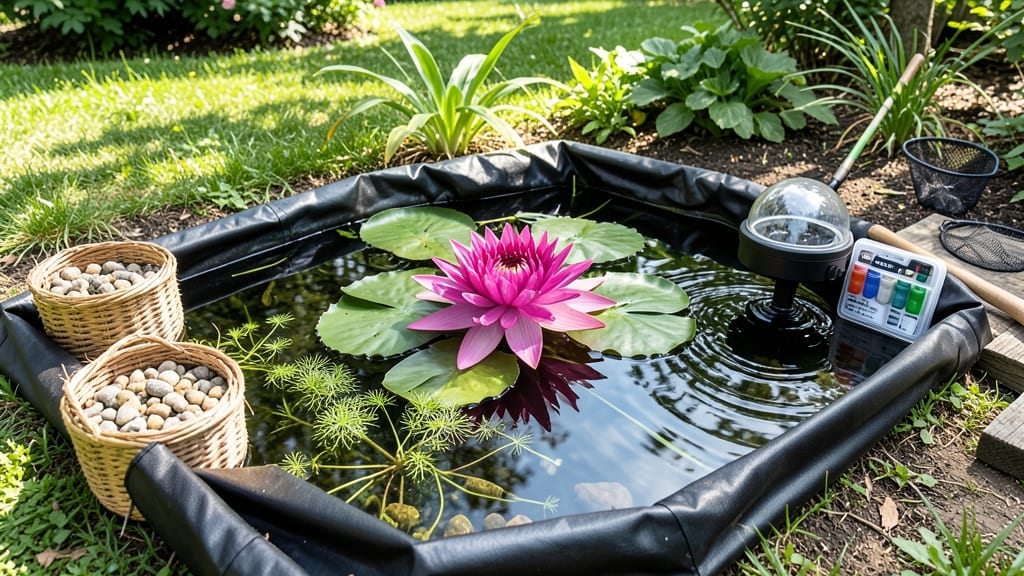
Aquatic gardens near you provide tranquil spaces featuring vibrant water plants, koi ponds, and thriving wetlands—many are completely free to visit, wheelchair-friendly, and offer educational tours. Check your local botanical gardens, nature preserves, or conservation areas for the closest options.
Finding these peaceful spots is easier than you think. 🌿 Many aquatic gardens blend seamlessly into larger botanical collections, where you'll discover everything from delicate water lilies to towering cattails.
What sets them apart is their ecological function—these gardens often serve as natural water filters, supporting local wildlife while creating stunning visuals. I always recommend visiting during spring or summer when the plants are in full bloom and guided tours are most active.
If accessibility is a priority, look for gardens with paved paths, ramps, and benches near the water's edge. Some even offer sensory-friendly hours for visitors with autism or mobility challenges.
Pro tip: Call ahead to confirm if their aquatic features include interactive elements like touch pools or feeding stations for koi.
💡 In This Article
- What Makes Aquatic Gardens Unique Ecosystems?
- How to Find Accessible Aquatic Gardens Nearby
What makes aquatic gardens unique ecosystems?
Aquatic gardens function as miniature ecosystems designed to mimic natural wetlands, where every plant and organism plays a specific role. Unlike traditional gardens focused on flowers or vegetables, these spaces prioritize water health by incorporating oxygenating plants like water hyacinth and filtration species such as cattails.
These plants absorb excess nutrients from the water, preventing algae blooms that would otherwise smother aquatic life. 💧 For example, a single water hyacinth can filter up to 10 pounds of nutrients per year from just 1,000 gallons of water—a process that would take traditional filtration systems much longer to achieve.
The plant adaptations in aquatic gardens are nothing short of remarkable. Floating species like water lilies provide shade and shelter for fish and amphibians, while submerged plants such as elodea release oxygen through their leaves, creating a thriving underwater environment.
These adaptations allow aquatic gardens to support 20-30% more biodiversity than typical garden spaces, often attracting birds, dragonflies, and even rare amphibians like salamanders.
The contrast with traditional gardens is striking—whereas a rose garden might feature a dozen plant species, an aquatic garden can host 50+ species in the same space, all interconnected through the water cycle.
What truly sets aquatic gardens apart is their role in urban sustainability. Many cities integrate these spaces into stormwater management systems, using them to naturally filter runoff before it enters larger water bodies.
For instance, the Chicago Botanic Garden's aquatic collections reduce sediment runoff by 40% during heavy rains, demonstrating how these gardens serve as both ecological and aesthetic assets.
This dual function explains why you’ll often find them in botanical gardens, conservation areas, or even corporate campuses—where their ability to clean water while beautifying space makes them invaluable.
Visitors often overlook the seasonal transformations these ecosystems undergo. In spring, aquatic gardens burst into color with blooming water lilies and vibrant mosses, while summer brings the hum of dragonflies and the shimmer of koi gliding beneath the surface.
Autumn sees a shift to golden reeds and crimson leaves, and winter reveals the skeletal beauty of dead plants that provide habitat for overwintering wildlife. This dynamic change is a far cry from the static beauty of traditional gardens, where seasonal shifts are often limited to flower replacements.
Another key difference lies in their interactive nature. Unlike passive garden spaces, aquatic gardens often include elements like touch pools or feeding stations that invite hands-on engagement.
For example, some gardens allow visitors to gently touch smooth river stones or observe tadpoles metamorphosing into frogs—a level of immersion impossible in a rose garden.
This tactile and educational component is what makes aquatic gardens particularly appealing to families and school groups, turning a simple visit into an unforgettable learning experience. 🌿
For those curious about the science behind these ecosystems, consider this: the root systems of aquatic plants create a labyrinthine network that traps sediment and breaks down pollutants.
This process is so effective that some aquatic gardens are used to treat wastewater in developing countries, where they serve as low-cost, sustainable solutions. The combination of biological filtration and physical barriers makes them one of nature's most efficient water purification systems—something traditional gardens simply can't replicate.