
Featured
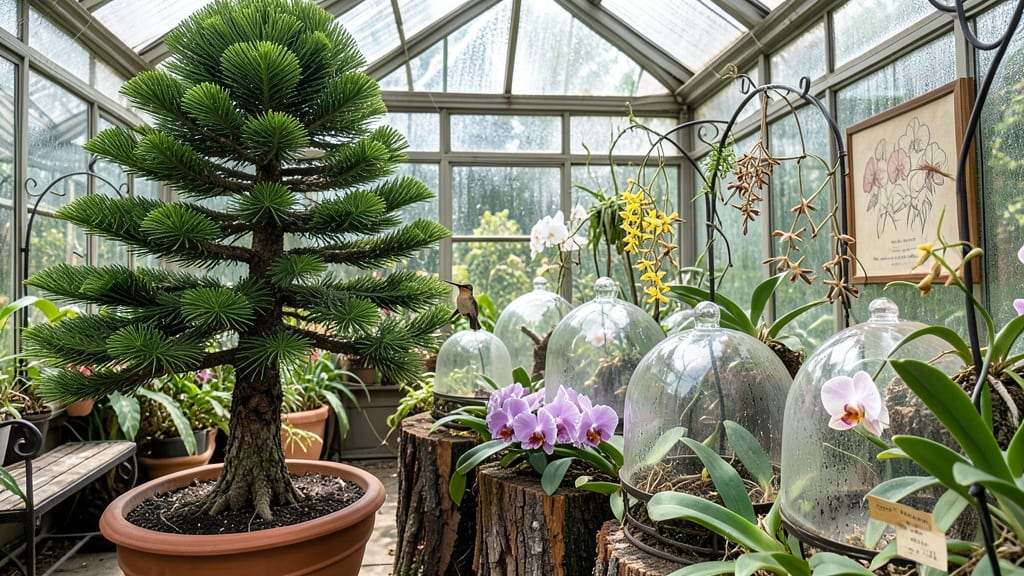
The Curitiba Botanical Garden features rare orchids, native Brazilian flora, and secluded tropical trails that most visitors overlook, including the secretive Jardim Botânico dos Pássaros and Serra do Mar botanical collections. For the best experience, plan your visit on weekdays to avoid crowds and prioritize the lesser-known glasshouses showcasing endangered species.
The Curitiba Botanical Garden isn't just a green space—it's a living museum of Brazil's biodiversity. 🌿 Beyond the famous orchid collections, you'll find specialized areas like the Serra do Mar collection, where rare Araucaria trees thrive in humid conditions.
These trees, native to southern Brazil's Atlantic Forest, are critically endangered in the wild, making their presence here a conservation success story. The garden's layout also encourages exploration, with trails winding through microclimates that support everything from epiphytic bromeliads to delicate ferns.
What truly sets this garden apart is its focus on lesser-known species that often get overlooked in standard tourist guides. The Jardim Botânico dos Pássaros (Bird Botanical Garden) is a prime example—it features plants that attract native bird species, creating a symbiotic ecosystem you won't find elsewhere.
Pro tip: The best time to visit these hidden areas is during the early morning when the glasshouses are less crowded and the humidity levels are ideal for observing these delicate plants in their prime.
💡 In This Article
- Botanical Garden’s Most Unique Plant Collections
- Insider Tips for Discovering Hidden Trails
Botanical garden’s most unique plant collections
The Curitiba Botanical Garden houses over 18,000 plant species, but its true treasure lies in the 1,200+ orchid varieties, including the iconic Cattleya genus. These orchids thrive in the garden's humidity-controlled glasshouses where temperatures hover around 75-80°F and moisture levels stay above 60%.
The Vanda and Dendrobium collections are particularly stunning, with some hybrids producing blooms in vibrant hues of purple, yellow, and even black—thanks to specialized breeding programs that combine wild species with cultivated varieties. 🌸
The Serra do Mar collection stands out for its Araucaria angustifolia, a conifer native to Brazil’s Atlantic Forest that’s critically endangered in the wild.
These trees, which can grow up to 50 meters tall, are adapted to high rainfall and acidic soils—conditions replicated in the garden’s rainforest biome section.
What’s fascinating is how their seeds, called pine nuts, are dispersed by animals like toucans, a behavior that’s been observed in the garden’s Jardim Botânico dos Pássaros area. This section also features bromeliads like the Neoregelia genus, whose rosette shapes collect water, creating miniature ecosystems for frogs and insects.
Conservation is at the heart of these collections. The garden’s ex situ conservation program protects species like the Euterpe edulis (açaí palm) and Tabebuia impetiginosa (pau-d’arco), both threatened by deforestation. The seed bank stores over 5,000 samples, ensuring genetic diversity for future restoration projects.
For example, the Cattleya labiata orchid, once nearly extinct, has been reintroduced to the wild thanks to the garden’s propagation work. Visitors can even see these efforts in action during the weekly guided tours that focus on endangered species. 🌱
What makes these collections unique is their interactive design. Unlike traditional botanical gardens, Curitiba’s uses QR codes placed near each species to provide real-time data on conservation status, native habitat, and propagation methods.
For instance, scanning the code near a Bromelia antiacantha reveals its role in traditional Brazilian medicine and how the garden is working with indigenous communities to preserve its uses. This blend of science and storytelling transforms a simple visit into an educational experience.
The Jardim Botânico dos Pássaros is another standout, designed to mimic the Atlantic Forest understory where birds like the saffron finch and blue-crowned motmot forage. The garden’s horticulturists plant native fruit-bearing trees such as Eugenia uniflora (pitanga) and Myrciaria cauliflora (jabuticaba) to attract these species.
The result? A self-sustaining ecosystem where visitors can observe birds interacting with plants in their natural behaviors—something you won’t see in most botanical gardens. 🐦
For those who love botany, the garden’s research labs offer a behind-the-scenes look at how these collections are maintained. You’ll learn about tissue culture techniques used to propagate rare orchids or how mycorrhizal fungi help Araucaria trees absorb nutrients in poor soils.
These insights make the garden not just a place to admire plants, but a hub for understanding the science behind Brazil’s biodiversity. The next time you visit, ask a gardener about the night-blooming orchids—their fragrance alone is worth the detour! 🌙