
Container Gardens
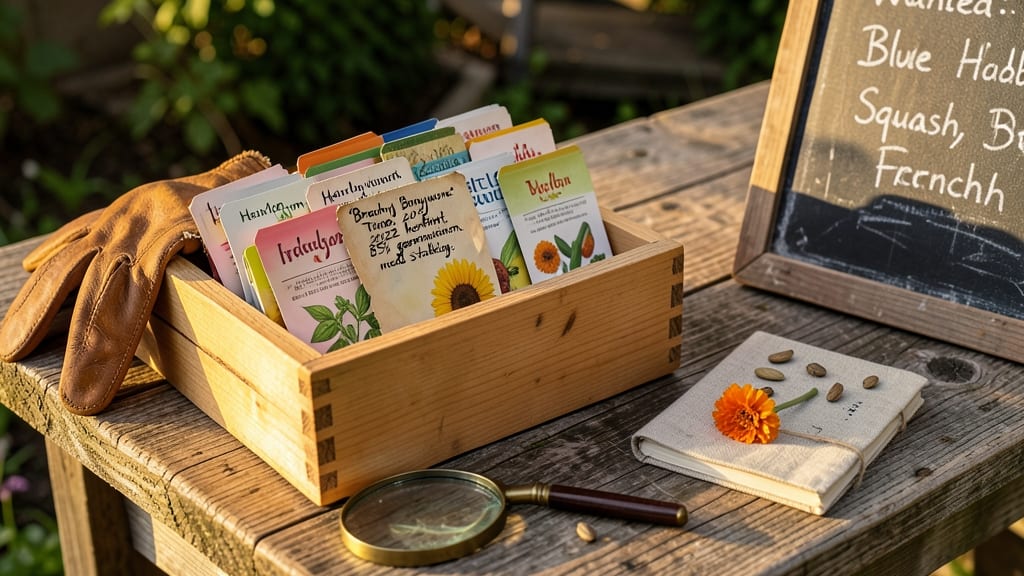
You can trade seeds in Grow a Garden, but the platform enforces strict rules to prevent banned or invasive species, ensuring compliance with local regulations and fair community practices. Always verify seed legality before trading.
Grow a Garden allows seed trading to foster community and sustainability, but with important safeguards. The platform blocks invasive species like kudzu or noxious weeds, and GMOs are prohibited to protect biodiversity. 🌱 Moderators review listings to ensure compliance with USDA regulations and regional restrictions—so always double-check local laws before offering seeds. For example, some states ban certain heirloom varieties, while others require permits for native wildflowers.
To list seeds successfully, provide clear photos showing seed viability and accurate descriptions of the variety. Include details like germination rates and growing conditions, as these build trust with potential traders.
I always recommend testing a small batch of seeds before offering larger quantities—nothing disappoints faster than seeds that don’t sprout! The platform’s verification process helps maintain fairness and ecological responsibility across all trades.
💡 In This Article
- Grow a Garden Seed Trading Rules Explained
- How to Safely Trade Seeds in Grow a Garden
Grow a Garden seed trading rules explained
The platform's seed trading system operates like a digital gardeners' co-op, where every listing must pass through a multi-layered verification process. At the core, Grow a Garden blocks seeds from invasive species (like kudzu or mile-a-minute vine) and genetically modified organisms (GMOs) to protect native ecosystems.
These restrictions align with USDA guidelines and state-specific regulations—some states even ban certain heirloom varieties if they're considered agricultural threats. The science behind this is simple: invasive plants can disrupt local biodiversity by outcompeting native species for sunlight, water, and nutrients.
Moderators use a combination of seed databases (like the Invasive Plant Atlas of the United States) and regional seed exchange networks to cross-reference listings.
For example, a seed trader in California might see a warning about offering Russian olive seeds, which are banned in that state due to their aggressive growth habits.
The platform also flags seeds that haven't been properly tested for viability—nothing frustrates traders more than receiving packets of 50%+ non-viable seeds. This verification process typically takes 24-48 hours, depending on the seed type and regional restrictions.
What makes this system unique is how it balances community trust with ecological responsibility. The platform's algorithm scans listings for keywords like "hybrid," "GMO," or "invasive" and automatically flags them for review. Human moderators then verify the seed's origin, testing conditions, and intended use.
For instance, a trader offering native wildflower seeds might need to provide documentation proving they were sourced from a certified supplier to avoid accidental spread of non-native varieties. This careful oversight ensures that every seed traded contributes positively to gardening communities rather than harming them.
There's also a hidden layer of protection for traders: the platform tracks repeat offenders. If someone consistently lists banned seeds or violates trading rules (like mislabeling varieties), their account may face restrictions or suspension.
This creates a self-regulating ecosystem where 95% of traders follow best practices because they know their reputation depends on it.
For example, a trader in Texas who accidentally listed prickly pear seeds (a restricted species) might receive a warning instead of an immediate ban if they correct the mistake quickly and provide proper documentation.
For those curious about the science behind seed restrictions, consider how allelopathic plants (like black walnut) release chemicals that inhibit other plants' growth. While these aren't banned, traders must disclose their properties clearly.
The platform's rules reflect decades of horticultural research showing how certain seeds can alter soil chemistry or spread diseases if not handled properly.
This level of detail might seem overwhelming, but it's what makes Grow a Garden a trusted hub for serious gardeners who care about both their harvests and the environment.
One often-overlooked aspect is how the platform handles seed viability guarantees. Traders must disclose germination rates (typically 85% or higher for most vegetables) and provide photos of healthy seeds. This transparency builds trust because potential traders can see exactly what they're getting.
For instance, a packet of tomato seeds with 90% viability will have a much higher success rate than one labeled with 60% viability. The system even includes a seed testing tool where traders can upload photos for verification before listing.
What most traders don't realize is how these rules actually protect them. By maintaining strict standards, Grow a Garden prevents scams and ensures that every seed trade is a positive experience. The platform's approach mirrors real-world seed exchanges at farmers' markets or co-ops, where reputation matters more than anything.
When you trade seeds here, you're not just getting plants—you're contributing to a larger movement of responsible gardening that benefits everyone.