
Vegetables
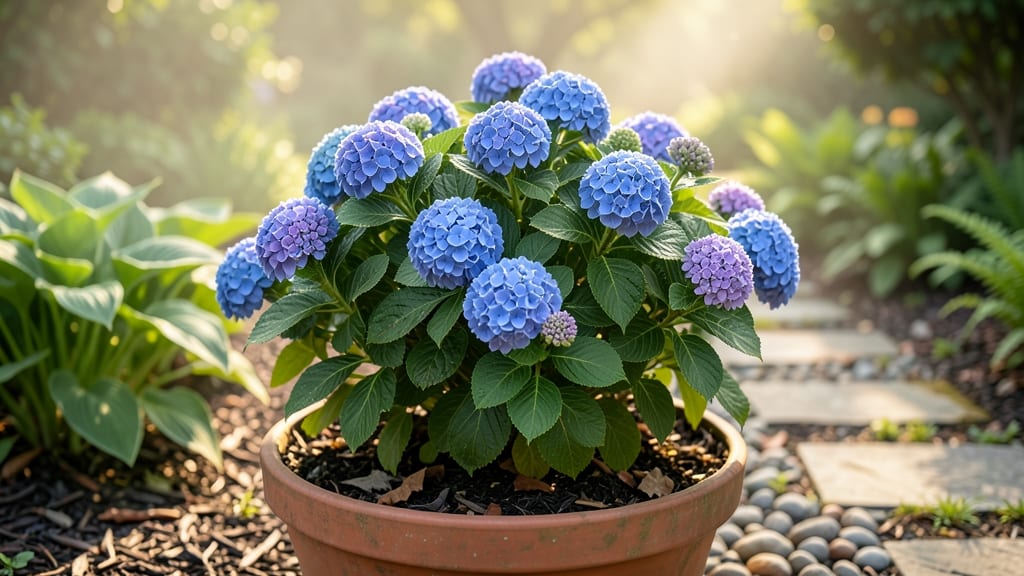
Stan Hywet Hall and Gardens offers 67 acres of stunning, meticulously crafted gardens blending formal design with natural woodland beauty, all rooted in 19th-century American horticultural traditions. Its historic mansion and ever-changing floral displays create a magical experience for visitors.
This Akron landmark stands out for its seamless fusion of Victorian-era elegance and American landscape principles. 🌿 The gardens showcase rare plant collections alongside native species, carefully arranged to highlight seasonal transitions—from spring tulips to autumn's fiery foliage.
What makes it special is how the estate preserves its original 1920s vision while offering modern visitor experiences through guided tours and educational programs.
The property's layout tells a story of Gilded Age wealth and horticultural innovation. The formal gardens feature symmetrical pathways and geometric flower beds, while the surrounding woodlands provide tranquil escapes. Visitors often marvel at how the mansion's architecture complements the landscape, with every window framed by perfectly manicured gardens.
💡 In This Article
- The History and Design of Stan Hywet’s Iconic Gardens
- Seasonal Highlights and Hidden Gems at Stan Hywet
The history and design of Stan Hywet’s iconic gardens
Stan Hywet Hall’s gardens were meticulously designed in the 1920s by Frederick Law Olmsted Jr., son of America’s most famous landscape architect. The estate’s visionary owner, F.A. Seiberling, founder of Goodyear Tire, sought to create a garden that reflected both Victorian grandeur and American horticultural traditions.
Olmsted Jr. blended formal European-style gardens with native American plants, a bold approach that set Stan Hywet apart from traditional estates of the era.
The formal gardens feature symmetrical pathways lined with 400-year-old boxwood hedges, meticulously pruned to create geometric patterns that guide visitors through themed garden rooms.
These hedges, some reaching 10 feet tall, were planted in the 1920s and have been maintained using traditional hand-pruning techniques passed down through generations of gardeners.
The estate also incorporates 12 distinct garden rooms, each with its own unique theme—from the Japanese-inspired Moon Garden to the English-style Rose Garden with 1,500 rose bushes representing 150 varieties.
What makes Stan Hywet’s design particularly innovative is its integration of native American plants alongside exotic species. Olmsted Jr. strategically placed black-eyed Susans, coneflowers, and goldenrod among European imports to create a harmonious blend that thrives in Ohio’s climate. This approach wasn’t just aesthetic—it was practical.
The native plants required less maintenance while providing vital habitat for local wildlife, a forward-thinking conservation practice for its time. 🌿 The estate’s 10-acre woodland garden demonstrates this philosophy perfectly, featuring naturalistic plantings that create a seamless transition between formal and wild landscapes.
The mansion’s architecture complements the gardens through thoughtful placement. Every window offers a framed view of carefully selected garden features, creating a visual dialogue between interior and exterior spaces.
The conservatory, built in 1926, serves as the garden’s heart, housing rare tropical plants like orchids and ferns that thrive in its controlled environment.
This glass structure wasn’t just decorative—it was a technological marvel for its time, allowing year-round cultivation of delicate species that would otherwise perish in Ohio’s winters.
One lesser-known aspect of the garden design is its use of color theory to create seasonal experiences. The spring garden features 20,000 tulip bulbs planted in precise patterns that create wave-like effects when in bloom.
In autumn, the Japanese maples and burning bushes are strategically placed to provide fiery color contrasts against the mansion’s stone facade.
This careful planning ensures that every season offers a distinct visual experience, making Stan Hywet a living example of how horticulture and architecture can work together to create timeless beauty.
The estate’s gardens also reflect the Gilded Age obsession with horticultural tourism. Seiberling and Olmsted Jr. designed the property to be experienced as a journey, with each garden area revealing new surprises.
The 1.5-mile-long carriage trail, for instance, winds through woodlands before opening into the formal gardens, creating a dramatic transition that mirrors the contrast between nature and cultivation. This thoughtful sequencing was revolutionary—most estates of the era presented their gardens as static displays rather than immersive experiences.