
Tools
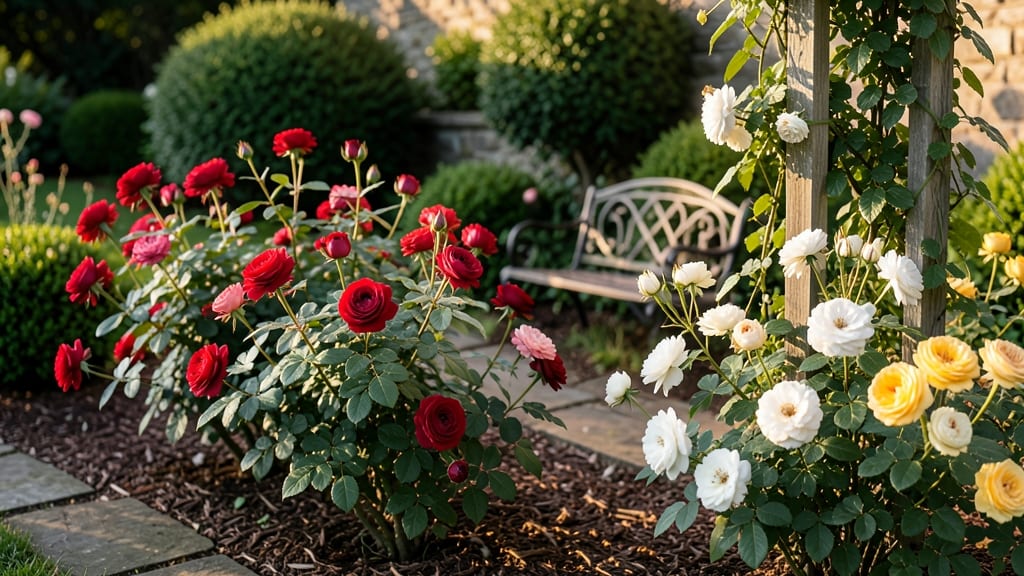
The Rose Garden at Stanley Park in Vancouver is a breathtaking 4.5-acre floral display showcasing over 50,000 roses, with peak beauty between May and September. Don't miss the historic 1916 Rose Pavilion or themed gardens like the David Lam Rose Garden, featuring rare climbers and fragrant shrubs along peaceful walking paths.
The Rose Garden at Stanley Park isn't just Vancouver's most famous floral attraction—it's a carefully curated botanical experience designed to thrive in the Pacific Northwest's mild, rainy climate. 🌸 The garden's layout maximizes seasonal interest, with early bloomers like hybrid teas giving way to late-season climbers that perfume the air until October.
What sets it apart is the blend of classic varieties and modern disease-resistant roses, ensuring vibrant displays even during Vancouver's occasional wet spells.
Beyond the main garden, the 1916 Rose Pavilion serves as a charming focal point, while the David Lam Rose Garden offers a quieter escape with its fragrant pathways and specialty roses.
Pro tip: Visit on weekday mornings to avoid crowds and catch the garden's magical light—especially during the annual Rose Festival in June, when thousands of additional blooms transform the space into a sea of color.
💡 In This Article
- Stanley Park Rose Garden Plant Varieties and Seasonal Blooms
- Tips for Visiting Stanley Park’s Rose Garden Like a Local
Stanley Park rose garden plant varieties and seasonal blooms
The Rose Garden at Stanley Park features over 100 distinct rose varieties, carefully selected to thrive in Vancouver's mild maritime climate with its 50-60 inches of annual rainfall.
The garden's collection includes David Austin English roses, known for their old-fashioned charm and strong fragrance, alongside hybrid teas that produce large, showy blooms perfect for cut flowers.
What makes this selection unique is the inclusion of disease-resistant varieties like Knock Out® roses, which require minimal chemical treatment—a practical choice given the region's frequent damp conditions.
The blooming seasons are strategically staggered to create a continuous display from May through October. Early-season varieties like 'Iceberg' (a popular hybrid tea) burst into bloom in late May to June, offering pristine white flowers that contrast beautifully with the lush green foliage.
By July and August, climbers such as 'New Dawn' and 'Blaze' take center stage, their vibrant red and pink blooms cascading over trellises and perfuming the air with a sweet, spicy fragrance. 🌸 The garden also features late-season performers like 'The Fairy' (a David Austin rose) that continue blooming until early October, extending the viewing window.
The Pacific Northwest's climate plays a crucial role in the garden's success. The cool, moist air helps prevent the fungal diseases that plague roses in hotter, drier climates.
Gardeners use organic mulches and drip irrigation to maintain soil moisture without overwatering, while the partial shade provided by mature trees protects delicate blooms from intense afternoon sun.
This careful balance allows roses to grow 2-3 feet taller than they would in warmer regions, creating dramatic vertical displays that are a hallmark of the garden's design.
Fragrance is another standout feature, with varieties like 'Munstead Wood' (a David Austin rose) emitting a rich, myrrh-like scent that lingers in the air.
The garden's layout incorporates fragrance corridors, where clusters of heavily scented roses are planted along key pathways, creating sensory experiences that peak during late morning hours when temperatures are cooler and oils are most concentrated.
This thoughtful arrangement ensures visitors experience the full sensory richness of the garden, from the velvety texture of petals to the complex aromas that vary by variety and time of day.
One often-overlooked aspect is how the garden's soil composition—a mix of sandy loam and compost—supports robust growth. The slightly acidic pH (6.0-6.5) is ideal for roses, and the addition of mycorrhizal fungi enhances nutrient uptake, resulting in healthier plants that produce more abundant blooms.
This scientific approach to horticulture ensures the garden remains vibrant even in challenging weather, making it a model for urban rose cultivation worldwide.
For those planning a visit, timing matters. The peak bloom period (June-August) offers the most dramatic displays, but early May visitors can enjoy the first flush of color from hardy varieties like 'Graham Thomas'.
The late afternoon sunlight during these months creates the perfect lighting for photography, casting a golden glow on the roses that enhances their natural hues.