
Planting
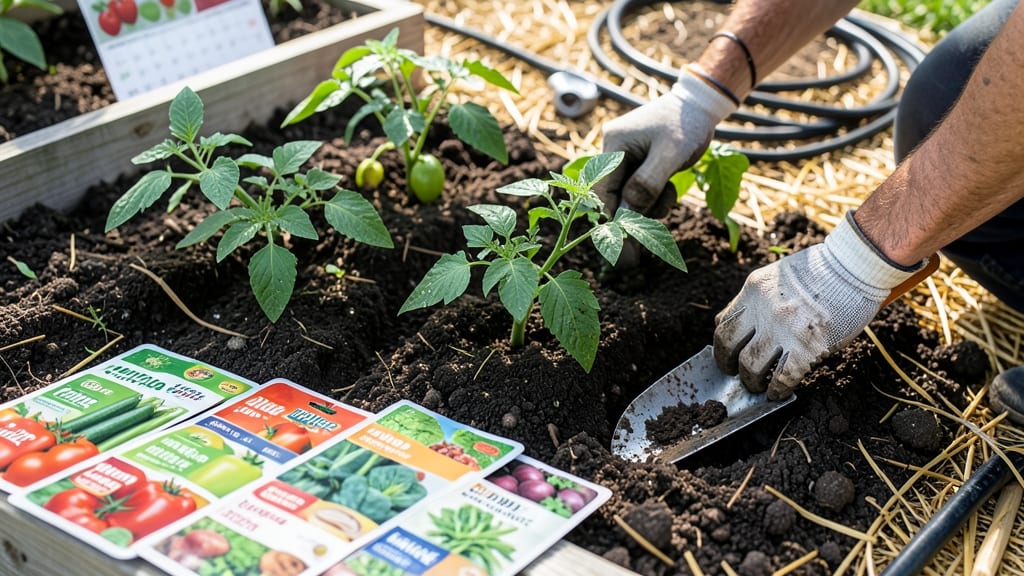
Planting a garden in Arkansas at the right time means the difference between a bountiful harvest and a sad pile of frost-nipped seedlings.
Arkansas gardeners know timing is everything—plant too early and frost will strike, too late and summer heat will scorch your crops. But with the state’s diverse microclimates, from the Delta’s humidity to the Ozarks’ cooler nights, the "perfect" planting window varies dramatically.
Cool-season crops like lettuce and peas thrive when planted 4-6 weeks before Arkansas’ last frost—typically by early March in most zones. Warm-season favorites, though, need to wait until soil temperatures hit 60°F or higher, usually mid-April or later.
Below, I’ll break down the exact months for your region, how to adjust for unpredictable weather, and the top Arkansas-native plants that make planting easier. No more guessing—just zero-failure harvests.
Arkansas planting zones & microclimate-specific months for maximum success
Arkansas spans USDA Hardiness Zones 6b to 8a, creating a patchwork of planting opportunities. The Delta region (Zone 7b-8a) enjoys longer growing seasons, while the Ozark Mountains (Zone 6b-7a) experience cooler nights.
Even within cities like Little Rock, urban heat islands can push planting windows 1-2 weeks earlier than rural areas.
Your first step? Know your last average frost date. Most of Arkansas sees frost by March 15 in the north and April 1 in the south, but microclimates shift these dates.
For example, Mountain View might see frost until April 10, while El Dorado could be frost-free by March 1.
Here’s how to align your planting with Arkansas’ cool-season vs. warm-season windows across regions:
| Region | USDA Zone | Cool-Season Planting | Warm-Season Planting | Last Frost | First Frost |
|---|---|---|---|---|---|
| Northwest Arkansas (Fayetteville) | Zone 7a | Feb 15 - Mar 15 | Apr 15 - May 1 | Mar 20 | Nov 10 |
| Central Arkansas (Little Rock) | Zone 7b | Feb 1 - Mar 10 | Mar 20 - Apr 15 | Mar 15 | Nov 5 |
| Delta (Jonesboro) | Zone 8a | Jan 15 - Feb 28 | Mar 1 - Apr 1 | Feb 28 | Oct 31 |
| Ozark Mountains (Eureka Springs) | Zone 6b | Mar 1 - Apr 1 | May 1 - May 15 | Apr 10 | Nov 15 |
| Urban Heat Islands (e.g., Hot Springs) | Zone 7b-8a | Jan 30 - Feb 20 | Mar 10 - Apr 10 | Mar 10 | Nov 1 |
For cool-season crops like lettuce, broccoli, and spinach, plant 4-6 weeks before your last frost date. In the Delta, this means January 15, while in the Ozarks, wait until March 1. Use row covers to extend your season by 2-3 weeks if frost threatens.
Warm-season crops—think tomatoes, peppers, and cucumbers—need soil temperatures above 60°F. In the Delta, this aligns with early March, but in the Ozarks, wait until mid-May. Test soil with a soil thermometer to avoid false starts with heat-loving plants.
Don’t overlook fall planting! Many Arkansas gardeners sow cool-season crops in August
How to adjust planting times for Arkansas’ unpredictable weather patterns
Arkansas’ weather can swing from freezing nights to 90°F heatwaves in weeks, making planting timing a high-stakes game. The Ozark Mountains often see frost two weeks later than the Delta, while urban areas like Little Rock trap heat, pushing warm-season crops earlier.
To outsmart Mother Nature, I’ve learned to test soil temperatures and use microclimate delays—like the 'Ozark Mountain Rule'—to protect my garden investments.
Start by checking soil temperature with a thermometer—warm-season crops like tomatoes need 60°F+ soil, while cool-season greens thrive at 40-50°F. In the Ozarks, I delay planting by 2-3 weeks compared to the Delta, where humidity speeds up germination.
For extra cushion, I use row covers or cold frames to extend the season by 3-4 weeks in both spring and fall.
Here’s my battle-tested strategy for Arkansas’ unpredictable weather:
- 📅 Test soil temps daily—warm-season crops stall below 60°F.
- ❄️ Use the 'Ozark Mountain Rule': delay planting by 2 weeks if you’re above 1,000 ft elevation.
- 🌡️ Monitor weekly highs—if nights drop below 50°F, cover seedlings with frost cloth.
- ☀️ For early heatwaves, move heat-sensitive crops (like lettuce) to shadier spots or use shade cloth.
- 💧 Drought-proof with mulch and deep watering—Arkansas’ flash droughts can dry soil in days.
- 🔄 Rotate crops yearly to prevent soil-borne diseases—especially in humid Delta regions.
For late frosts, I’ve had success with straw bale gardens, which warm up faster than soil and let me plant 2 weeks earlier. In the Ozarks, I also use black plastic mulch to raise soil temps by 5-10°F, giving peppers and eggplants a head start.
If a heatwave hits early, I switch to fast-maturing varieties like 'Early Girl' tomatoes (55 days) or 'Black Seeded Simpson' lettuce (30 days).
Don’t forget crop rotation hacks—planting legumes (like peas) in fallow beds adds nitrogen and improves soil for next year’s tomatoes or peppers. In the Delta, I rotate sweet potatoes with okra to break pest cycles.
And if all else fails, keep a seedling heat mat handy for $5 emergency starts when soil temps dip unexpectedly.
Arkansas’ weather is unpredictable, but with these adjustments, you can turn climate quirks into advantages. Start small—test one soil-warming trick this season—and watch your garden thrive despite the chaos. Happy planting! 🌱