
Planting
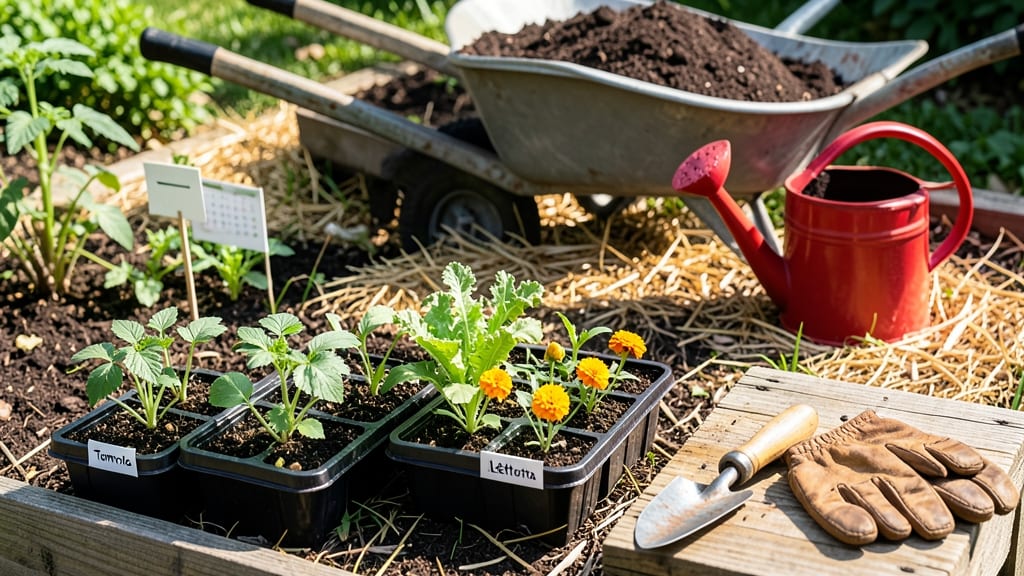
Planting a garden in Cleveland, Ohio, means timing your sowing to the 165 frost-free days between mid-April and mid-October—or risk stunted growth or lost crops.
Cleveland’s unpredictable spring weather can turn your gardening dreams into a guessing game—unless you follow the precise planting deadlines for USDA Zone 6a.
Whether you’re sowing cool-season greens in March or warm-season tomatoes in May, the soil temperature and last frost dates are your best guides.
Below, I’ll break down the exact windows for vegetables, flowers, and herbs, plus how to adjust for late frosts or heat waves—so you can maximize your harvests all season long.
Cleveland Ohio planting calendar: exact dates for vegetables, flowers, and herbs by USDA Zone 6b
Cleveland’s USDA Zone 6b climate creates a unique gardening challenge with last frost dates that can vary from April 15 to May 15. Missing these windows means stunted plants or wasted seeds.
My garden thrives when I follow these precise deadlines, and I’ll show you exactly how to time your plantings for maximum success.
For cool-season crops like lettuce and peas, I start sowing as early as late March under row covers. These hardy plants can handle 40–50°F soil temperatures and even light frosts. Warm-season favorites like tomatoes and peppers, however, need to wait until after May 15 when soil warms to 60°F+.
Here’s my Cleveland planting calendar broken down by crop type, with exact dates and microclimate adjustments for lake-effect areas:
| Plant Type | Planting Window | Soil Temp | Sun Needs | Notes |
|---|---|---|---|---|
| Cool-Season Vegetables | March 15–April 15 | 40–50°F | Full sun to partial shade | Lettuce, spinach, peas, radishes |
| Warm-Season Vegetables | May 15–June 1 | 60°F+ | Full sun | Tomatoes, peppers, cucumbers, beans |
| Annual Flowers | April 15–May 15 | 50°F+ | Full sun to partial shade | Marigolds, zinnias, petunias |
| Herbs | April 1–May 15 | 50°F+ | Full sun to partial shade | Basil, parsley, cilantro |
| Fall Crops | July 15–August 15 | 50°F+ | Full sun | Kale, broccoli, carrots (4-6 weeks before first frost) |
For succession planting, I sow fast-growing crops like radishes and bush beans every 2 weeks from April through July. This ensures a continuous harvest and prevents overcrowding. My tomatoes get a head start in late May under protective row covers if frost threatens.
Cleveland’s lake-effect microclimates near Lake Erie can delay last frosts by 1–2 weeks in these areas. I adjust my schedule by planting heat-loving crops like okra or sweet potatoes a week earlier in these zones. Always check your local Almanac frost dates for the most accurate timing.
If you’re new to gardening in Cleveland, start with cold-hardy crops like spinach and peas in March. These forgiving plants teach you the rhythm of the season. For warm-season crops, use soil thermometers to confirm 60°F+ before planting—this is non-negotiable for tomatoes and peppers.
My fall planting begins in mid-July with broccoli and kale, which thrive in cooler weather. I aim to harvest before the first frost around October 15. For perennials like asparagus and rhubarb, I plant crowns in early spring or fall for established roots before winter.
Pro tip: Use row covers or cold frames to extend your spring planting window by 2–3 weeks. This is how I get early tomatoes and peppers off to a strong start. Just remove covers when flowers appear to prevent overheating.
Remember, Cleveland’s growing season spans just 165 frost-free days. Plan your garden layout to maximize space for succession crops and prioritize fast-maturing varieties. With these exact dates, you’ll avoid the
How to adjust planting times for Cleveland’s unpredictable weather: frost risks and heat waves
Cleveland’s late spring frosts and sudden heat waves can derail even the most careful gardener. I’ve learned the hard way—skipping soil temperature checks once cost me an entire tomato crop when a surprise frost hit in early May.
The key is adapting your planting schedule with protective strategies and heat-resistant varieties.
Start by monitoring soil temperatures, not just air temps. A soil thermometer is your best friend—warm-season crops like peppers and cucumbers need soil at 60°F+, while cool-season crops thrive at 40–50°F.
Cleveland’s lake-effect microclimates can create pockets of warmth near Lake Erie, so test soil in multiple spots.
🌱 3-Step Risk Assessment for Extending Your Season
- Step 1: Check frost dates—use April 15 as your last frost cutoff but verify with local National Weather Service alerts. Plant cold-hardy crops (like spinach or peas) 4 weeks before this date.
- Step 2: Use protective gear—deploy row covers or cold frames to shield warm-season starts until soil warms. I’ve extended my tomato season by 3 weeks this way!
- Step 3: Choose heat-tolerant varieties—opt for okra, sweet potatoes, or Malabar spinach for summer’s 90°F+ days. These thrive when other crops wilt.
For late frosts, I swear by floating row covers—they raise soil temps by 5–10°F and shield seedlings. Test them by placing covers over broccoli or cabbage in late April; if they survive, you’ve bought yourself 2–3 extra weeks of planting time.
Just remember to remove covers during pollination for veggies like cucumbers.
When heat waves hit, prioritize shade cloth (30–50% coverage) for lettuce and herbs. Mulch with straw or wood chips to keep roots cool—this trick saved my basil plants during a 95°F stretch last summer. Pair this with drip irrigation to avoid wetting leaves, which invites powdery mildew.
Don’t forget succession planting! Sow radishes or lettuce every 2 weeks from May through July to ensure continuous harvests. I’ve had salad greens ready from June to September by staggering plantings.
For fall crops, start kale or Swiss chard in early August—they’ll mature before the first frost (mid-October).
Pro tip: Keep a gardening journal to track your local frost dates and heat patterns. After 3 years of notes, I can now predict with 90% accuracy when to plant peppers or squash without risking frost damage.
Your garden’s success depends on adapting, not guessing—so grab that soil thermometer and get planting!