
Planting
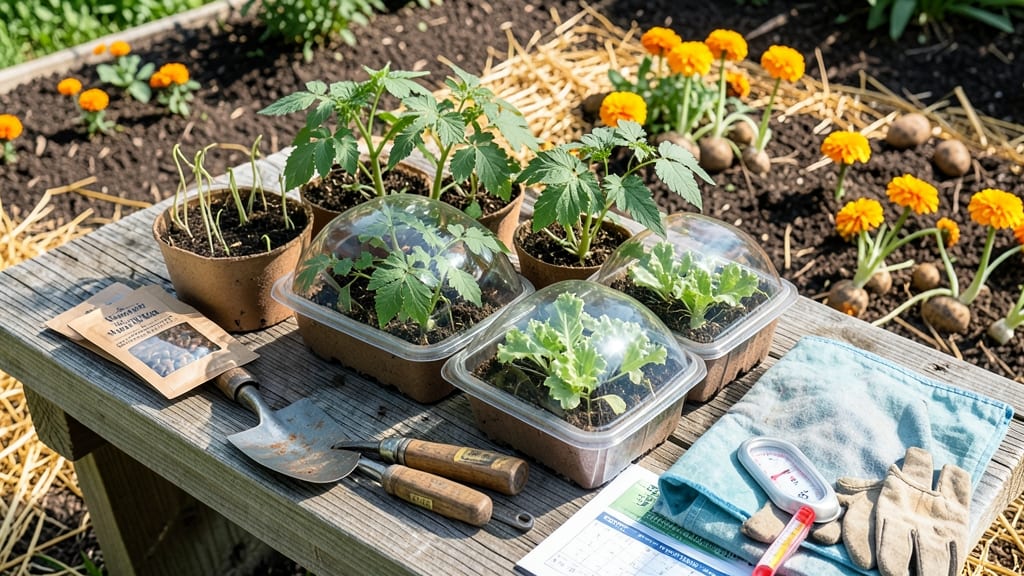
Planting your garden in Iowa at the right time means the difference between a bountiful harvest and a season of missed opportunities.
Iowa’s unpredictable spring weather can turn a gardener’s excitement into frustration—planting too early risks frost damage, while waiting too long may shorten your harvest. But with the right timing, you can maximize yields across Iowa’s diverse microclimates, from the cool northern zones to the warmer southern regions.
Whether you’re sowing cool-season crops like peas and spinach in early spring or waiting for the soil to warm up for tomatoes and peppers, knowing when to plant garden in Iowa is key.
The last frost dates vary by region, so I’ll break down the exact windows for your part of the state.
From seed-starting indoors to transplanting outdoors, I’ll cover everything you need to time your garden perfectly—so you can enjoy fresh produce from May through October.
Iowa planting zones & microclimate deadlines by crop type
Iowa’s USDA zones 5a-6b create unique microclimates where last frost dates can vary by 2-3 weeks between northern and southern regions. Understanding these zones helps you time cool-season crops like spinach and heat-lovers like tomatoes perfectly for maximum harvests.
Northern Iowa (zone 5a) often sees frost until May 15, while southern Iowa (zone 6b) may be frost-free by April 15.
For vegetable gardens, timing is everything—planting peas and lettuce too late means bolting, while tomatoes and peppers need warm soil to thrive. Iowa’s five distinct microclimates (North, Central, South, Northeast, Southeast) further refine these deadlines. For example, Northeast Iowa often has 10-14 extra frost-free days compared to the northwest.
Use this microclimate guide to align your planting with Iowa’s average last frost dates and soil temperature thresholds. Warm-season crops like cucumbers and beans need soil at 60°F+, while spinach and kale tolerate cooler 40-50°F soils. Always check local frost records—Iowa’s spring can swing wildly!
For herbs like basil and cilantro, timing matters just as much.
Basil thrives in warm soil (60°F+) and should wait until after May 1 in most of Iowa, while cilantro bolts quickly in heat—plant it in early spring or late summer for a second crop. Flowers like marigolds and zinnias are more forgiving but still benefit from soil warming before transplanting.
Don’t forget fall planting! Cool-season crops like kale and radishes can be sown 4-6 weeks before your first frost (typically September 1–October 15 in Iowa).
This second harvest extends your garden’s productivity and often yields sweeter, more tender produce. Use row covers to protect late-season crops from early frosts.
Iowa’s microclimates also affect soil warming. A south-facing garden bed warms 2-3 weeks faster than a north-facing one, giving you an earlier start for warm-season crops. Test soil temperature with a soil thermometer—aim for 60°F+ for tomatoes and 70°F+ for peppers.
If soil is too cold, use black plastic mulch to speed up warming.
Pro tip: Use Iowa State University Extension’s frost date maps for your exact location. Their 30-year averages account for Iowa’s unpredictable weather patterns. For example, Des Moines (Central Iowa) averages a last frost on April 28, but Dubuque (Northeast) often waits until May 10
How to adjust planting times for Iowa’s unpredictable weather
Iowa’s spring weather can be as fickle as a whimsical breeze—one day warm enough for shorts, the next with frost warnings that send shivers down your spine. As someone who’s lost entire tomato starts to late frosts, I’ve learned the hard way that rigid planting schedules won’t cut it here.
The key is flexibility, using tools and tricks to extend seasons, protect tender plants, and work with nature’s mood swings rather than against them.
First, forget the calendar and focus on soil temperature and microclimate conditions. Iowa’s USDA zones 5a-6b don’t tell the whole story—urban heat islands, lake effects, and elevation changes create pockets where spring arrives weeks earlier or later than the average.
For example, Dubuque’s last frost might hit May 15, while Des Moines could still see frost in early May. The solution? Pay attention to localized frost alerts and adjust your timing accordingly.
- Use the 5-10-15°C soil rule: Plant peas at 5°C, lettuce at 10°C, and tomatoes at 15°C—no guessing!
- Deploy row covers (floating or fixed) to raise soil temps by 5-8°F and protect seedlings from late frosts.
- Start cold-hardy crops (spinach, kale, radishes) 4-6 weeks before your average last frost date for an early harvest.
- Use cold frames or mini tunnels to plant warm-season crops (like tomatoes) 2-3 weeks earlier than usual.
- Monitor Iowa State University’s frost maps and set phone alerts for local weather shifts—your garden’s survival depends on it!
Let’s talk about soil temperature, the real game-changer. I used to plant tomatoes as soon as the ground looked dry, only to watch them wilt because the soil was still too cold.
Now, I use a soil thermometer to follow the 5-10-15°C rule. Peas and spinach are happy at 5°C (41°F), while lettuce and carrots need at least 10°C (50°F). Tomatoes, peppers, and cucumbers won’t thrive until the soil hits 15°C (59°F).
Pro tip: Black plastic mulch can raise soil temps by 5-10°F in just a few days.
For late frosts, I’ve become obsessed with row covers. A simple floating row cover (like Reemay fabric) can protect seedlings from -2°C (28°F) frosts and speed up soil warming. Last year, I used them to plant broccoli and cabbage in early April—something I’d never dared try before.
If a frost warning hits, toss a lightweight blanket over your plants for extra protection. Just remember to remove covers during the day to prevent overheating.
Don’t overlook cold frames or low tunnels for extending your season. These simple structures can let you plant tomatoes and peppers 2-3 weeks earlier in spring or keep harvesting greens until Thanksgiving.
I built a DIY cold frame from an old window and plywood—it cost under $20 and paid for itself in one season. For urban gardeners, even a clear plastic bottle cloche over individual plants can make a difference.
Finally, embrace succession planting to hedge your bets. Instead of planting all your lettuce or radishes at once, sow small batches every 2 weeks. This way, if one planting gets nipped by frost, you’ll still have fresh harvests.
I also plant fast-growing crops like radishes between slower broccoli or cabbage plants to maximize space and minimize risk. It’s not about perfection—it’s about adapting on the fly when Iowa’s weather throws you a curveball.