
Planting
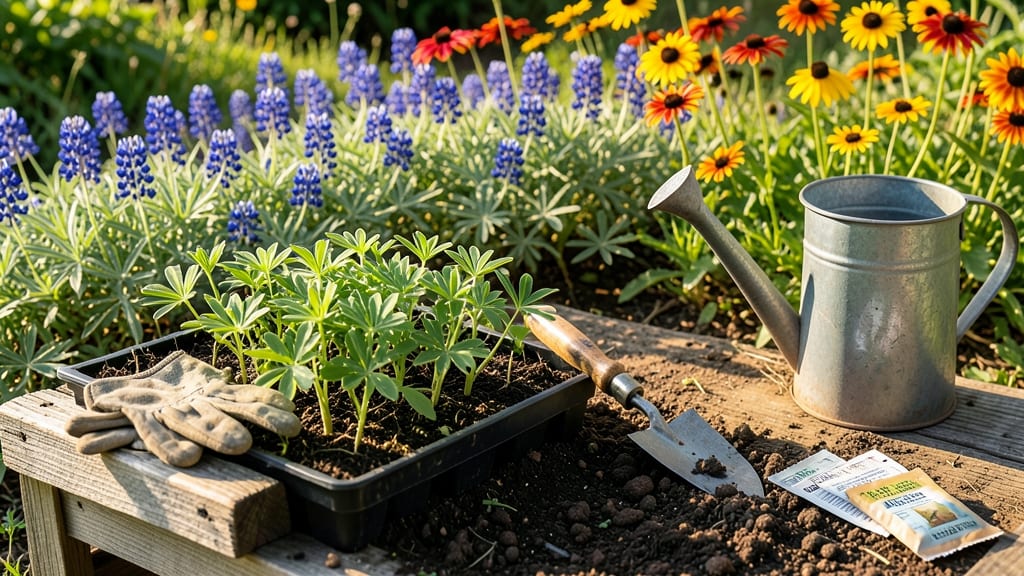
Planting your spring garden in Texas at the right time means beating the heat and avoiding frost — a window that opens as early as February in South Texas and as late as April in the Panhandle.
Texas gardeners know timing is everything—plant too early and risk frost, too late and face scorching heat. But with the right heat-resistant varieties and precise planting dates, you can grow a thriving spring garden even in the Lone Star State's unpredictable climate.
This guide breaks down exact planting timelines by region, from the Gulf Coast to the Hill Country, so you know when to start seeds indoors, when to transplant seedlings, and which crops will handle Texas's early heat without wilting.
You'll also discover the top 10 heat-tolerant vegetables that thrive in Texas springs, plus common mistakes to avoid—like overwatering or ignoring soil temperature—so your garden gets off to the strongest start possible.
Texas spring planting timeline by region: exact dates for frost-free success
Texas's diverse climate means North Texas can experience late frosts in April, while South Texas may already be baking by March. To avoid frost damage or heat stress, timing is everything.
I've broken down the optimal planting windows for each region, so you can start your garden with confidence—whether you're sowing cool-season crops or heat-loving varieties.
First, check your last frost date—this is your starting point.
In North Texas (USDA Zones 7-8), the average last frost falls between March 1-15, while Central Texas (Zones 8-9) sees its last frost around February 15-March 1. South Texas (Zones 9-10) often escapes frost entirely, but soil temperature is your real guide there.
For cool-season crops like lettuce, spinach, and peas, wait until the soil reaches 50°F (10°C)—this usually aligns with March 15-April 1 in most regions.
Meanwhile, heat-tolerant plants such as okra, sweet potatoes, and black-eyed peas can go in the ground as early as February in South Texas or March in North Texas, once nighttime temperatures stay above 55°F (13°C).
Here’s your region-specific planting timeline, including key dates, soil temperature thresholds, and heat-tolerant windows to maximize your garden’s potential.
In North Texas, focus on cool-season crops like broccoli, cabbage, and carrots in early spring, then transition to heat-loving plants such as tomatoes, peppers, and cucumbers by mid-April. Use row covers or cold frames to extend your growing season if frost threatens after your target dates.
For Central Texas, you’ve got a head start! Start spinach, kale, and radishes as early as late February, then shift to okra, sweet potatoes, and black-eyed peas by March.
The key here is soil temperature—wait until it warms to 65°F (18°C) before planting heat-sensitive varieties like basil or eggplant.
If you're in South Texas, you’re in luck—your growing season is nearly year-round! Begin warm-season crops like squash and melons in January, then follow up with tomatoes and peppers by February.
By April, focus on late-summer crops such as corn and southern peas to avoid the peak heat.
Pro tip: Use a soil thermometer to confirm temperatures before planting. Cool-season crops need 50-60°F (10-16°C) soil, while heat-tolerant plants thrive in 70°F (21°C) or warmer. If your soil is too cold, wait—seedlings won’t sprout in chilly conditions, no matter how eager you are!
Don’t forget to harden off seedlings before transplanting, especially if you’re moving them from indoors or a greenhouse. Gradually expose them to outdoor conditions over 7-10 days to prevent shock. This is critical for tomatoes, peppers, and herbs, which are sensitive to sudden temperature changes.
Finally, keep an eye on local weather forecasts—Texas weather can shift overnight! If a late frost is predicted, protect tender plants with frost cloth or move potted plants indoors.
With these region-specific timelines, you’ll be well on your way to a bountiful spring garden—no matter where you garden in the L
Top 10 heat-resistant vegetables and flowers for Texas spring gardens
Texas spring gardens demand heat-tolerant champions that thrive when temperatures climb. The key is selecting varieties that handle 90°F+ days while still producing bountiful harvests. My top picks include okra, sweet potatoes, and black-eyed peas, which not only survive but flourish in Texas's intense sun and heat.
For flowers, marigolds and zinnias are my go-to choices—they bloom prolifically and attract pollinators even during heatwaves. These plants not only withstand Texas heat but also add vibrant color to your garden beds, making them both functional and beautiful. Let’s dive into the specifics of planting these resilient varieties.
- Okra: Plant 1/2 inch deep, 18-24 inches apart, after last frost (typically March-April). Companion plants: tomatoes, peppers, marigolds.
- Sweet Potatoes: Start slips 2-3 weeks after last frost (April-May), 12-18 inches apart. Companion plants: beans, corn, cucumbers.
- Black-Eyed Peas: Sow 1 inch deep, 3-4 inches apart, February-March in cooler North Texas. Companion plants: okra, tomatoes, cabbage.
- Heat-Tolerant Lettuce (e.g., Romaine, Buttercrunch): Plant 1/4 inch deep, 8-12 inches apart, September-October (spring heat is too intense).
- Marigolds: Direct sow 1/2 inch deep, 12-18 inches apart, February-April. Repels pests and thrives in heat.
- Zinnias: Sow 1/4 inch deep, 12-18 inches apart, March-May. Blooms nonstop in Texas heat.
- Peppers (e.g., Jalapeño, Cayenne): Transplant 12-18 inches apart after last frost (March-April). Companion plants: basil, onions.
- Cucumbers (e.g., Straight Eight): Plant 1 inch deep, 12-24 inches apart, April-May. Use trellises to save space.
- Eggplant (e.g., Black Beauty): Transplant 18-24 inches apart after last frost (March-April). Companion plants: beans, marigolds.
- Sunflowers (e.g., Mammoth): Sow 1 inch deep, 12-18 inches apart, March-April. Drought-tolerant and fast-growing.
When planting these varieties, focus on soil preparation—amend your beds with compost and organic matter to improve water retention. Mulching with straw or wood chips helps retain moisture and keeps roots cool during peak heat.
I’ve found that drip irrigation is a game-changer for Texas gardens, delivering water directly to roots and reducing evaporation.
Companion planting is another trick I swear by. For example, marigolds planted near tomatoes deter pests naturally, while basil beside peppers enhances flavor and growth. These pairings create a symbiotic relationship that boosts overall garden health.
Don’t overlook the importance of spacing—proper airflow reduces disease risk, especially in humid Texas summers.
For flowers like zinnias and marigolds, deadheading spent blooms encourages continuous flowering. I’ve seen zinnias produce nonstop blooms from spring through fall with just a little maintenance.
Similarly, okra and sweet potatoes benefit from regular harvesting—picking pods frequently stimulates more production. These small efforts make a big difference in your garden’s productivity.
Finally, keep an eye on heat stress signs like wilting leaves or yellowing. If you notice these, provide temporary shade with row covers or shade cloth until plants recover.
With these heat-resistant varieties and a few smart strategies, your Texas spring garden will not only survive but thrive in the heat. Happy planting! 🌿☀️