
Planting
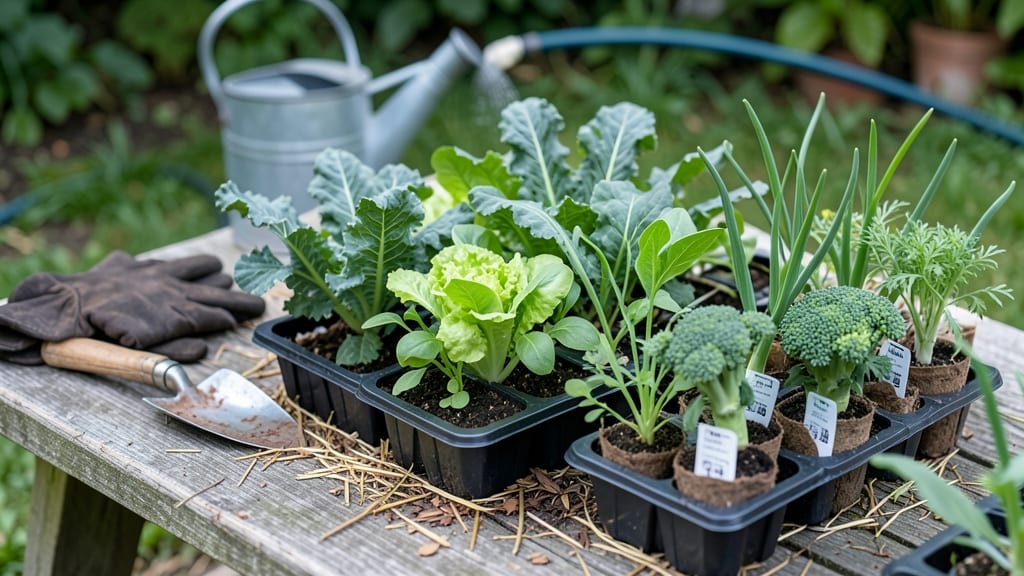
Planting a fall garden in Texas means beating the heat while setting up for a harvest of crisp greens, sweet roots, and hardy greens before the first frost.
Texas gardeners know the summer heat can be brutal—but with the right timing, a thriving fall garden is absolutely possible. Planting at the wrong time means wilting crops, while strategic scheduling unlocks crisp greens, hearty root vegetables, and even winter squash before the first frost.
In USDA Zones 8a-10a, your window to plant is tight: mid-August to early October. That’s when soil temps drop just enough for cool-season crops to thrive, but not so late that you risk a premature frost.
The key is choosing heat-tolerant varieties and adjusting your schedule based on whether you’re in North, Central, or South Texas.
Below, I’ll break down the exact months for each zone, the best crops for your microclimate, and how to extend your harvest well into December—so you can enjoy homegrown goodness all fall long.
Texas fall planting calendar by hardiness zones (exact months for success)
Timing is everything in Texas gardening—especially when transitioning from scorching summer to crisp fall harvests. The key lies in understanding your USDA hardiness zone and aligning planting with soil temperatures that signal the end of extreme heat.
In North Texas (Zones 8a-8b), first frost often arrives by mid-November, while South Texas (Zones 10a+) may enjoy mild winters until January. My strategy? Start with heat-tolerant varieties in late July-August, then shift to cool-season crops by September.
Your planting window hinges on two critical factors: average last frost date and soil temperature drops below 85°F. For example, Central Texas (Zones 9a-9b) can direct-sow leafy greens as early as mid-August under shade cloth, while root crops like carrots wait until late September for optimal germination.
Miss these deadlines, and you’ll face stunted growth or bolting before harvest.
For North Texas gardeners, the August 15–September 15 window is prime for direct-sowing heat-lovers like okra and sweet potato leaves. These varieties thrive when soil temps hover around 80–90°F but bolt if temperatures drop below 70°F at night.
I always test soil temps with a soil thermometer—if it’s above 90°F, delay planting until evening shade arrives.
Central Texas offers a longer grace period. Here, late July kickstarts the season with cowpeas and black-eyed peas, while September 1–October 15 shifts focus to leafy greens like Malabar spinach and Swiss chard.
The trick? Succession plant every 2 weeks to stagger harvests. For example, sow radishes in late August, then repeat in early October for a November harvest before frost.
In South Texas (Zones 10a+), the fall garden extends into November, allowing for two full harvest cycles. Start with peppers and eggplant in mid-August, then transition to collards and turnips by September 15.
The no-frost risk here means you can even overwinter kale and cabbage with row covers. My 2022 experiment with ‘Georgia Southern’ collards yielded harvests until February!
Transplanting vs. direct sowing is another critical choice. Leafy greens and brassicas establish faster from starts, so I recommend buying 6-week-old seedlings in early September for North Texas or mid-October in South Texas.
For root crops like carrots or beets, direct sowing in well-prepared soil (sandy loam amended with compost) gives the best results. Loosen soil to 12 inches deep and mix in aged compost to prevent forked roots.
Don’t overlook microclimates—your
Top 10 heat-tolerant fall vegetables for Texas gardens (with planting tips)
Texas summers can push soil temperatures to 90°F+, but the right heat-tolerant varieties can thrive even when most gardens wilt. These fall vegetables are specifically chosen to handle late-summer heat while setting up your garden for a bountiful harvest before the first frost.
From Malabar spinach to 'Black Krim' tomatoes, these varieties won’t just survive—they’ll thrive.
Key to success is companion planting and proper spacing. For example, pairing okra with basil repels pests naturally, while collard greens benefit from the shade of taller sunflowers. Avoid planting cabbage near tomatoes, as they compete for nutrients and attract similar pests.
Let’s dive into the top 10 heat-tolerant crops and how to grow them like a pro.
🌱 Heat-Tolerant Fall Vegetables for Texas Gardens
-
1. Malabar Spinach
Heat-tolerant, thrives in 95°F+ soil; harvest leaves as needed. Plant mid-August to September. -
2. 'Black Krim' Tomatoes
Resists blossom-end rot and handles heat better than standard varieties. Start seeds indoors in July, transplant late August. -
3. Okra
Loves full sun and heat; plant late June to August for fall harvest. Companion with basil to deter pests. -
4. Sweet Potato Leaves
Edible greens that thrive in hot, dry conditions. Plant slips late July to September; harvest leaves before frost. -
5. Collard Greens
Heat-resistant; plant mid-August to September. Use shade cloth if temperatures exceed 90°F. -
6. 'Jalapeño' Peppers
Heat-loving; sow seeds late July to August. Space 18 inches apart for airflow and pest prevention. -
7. Swiss Chard
Tolerates heat and drought; plant late July to September. Harvest outer leaves to encourage regrowth. -
8. Winter Squash ('Butternut')
Plant seeds late July to August for fall harvest. Use mulch to retain soil moisture. -
9. Amaranth
Thrives in heat and poor soil; sow seeds late July to September. Harvest leaves or grains as needed. -
10. 'Texas Purple' Eggplant
Heat-tolerant variety; transplant late August. Prune suckers to focus energy on fruit production.
When planting, focus on soil preparation first. Amend your garden beds with compost to improve drainage and retain moisture during Texas’s dry spells. For direct-sown seeds, like okra or amaranth, maintain consistent soil moisture until germination.
Once seedlings emerge, reduce watering slightly to harden them off and prevent damping off.
Common pitfalls in Texas fall gardens include bolting (when plants flower prematurely) and blossom-end rot in tomatoes. To avoid bolting, keep leafy greens like spinach well-watered and in partial shade during peak heat.
For tomatoes, ensure consistent calcium (use crushed eggshells or lime) and mulch to stabilize soil moisture. Companion planting with marigolds can also deter pests like hornworms.
Harvest your fall crops at their peak for the best flavor and texture. For example, jalapeños should be firm and glossy, while collard greens taste sweeter after a light frost. If a hard freeze is forecasted, harvest leafy greens and root vegetables before temperatures drop below 28°F.
Store extras in a cool, dark place or preserve them through fermentation or dehydrating.
With these heat-tolerant varieties and smart planting strategies, your Texas fall garden will be a success, even when the mercury rises. Start planting in mid-August for a harvest that lasts well into December—just in time for holiday feasts! 🌿