
Planting
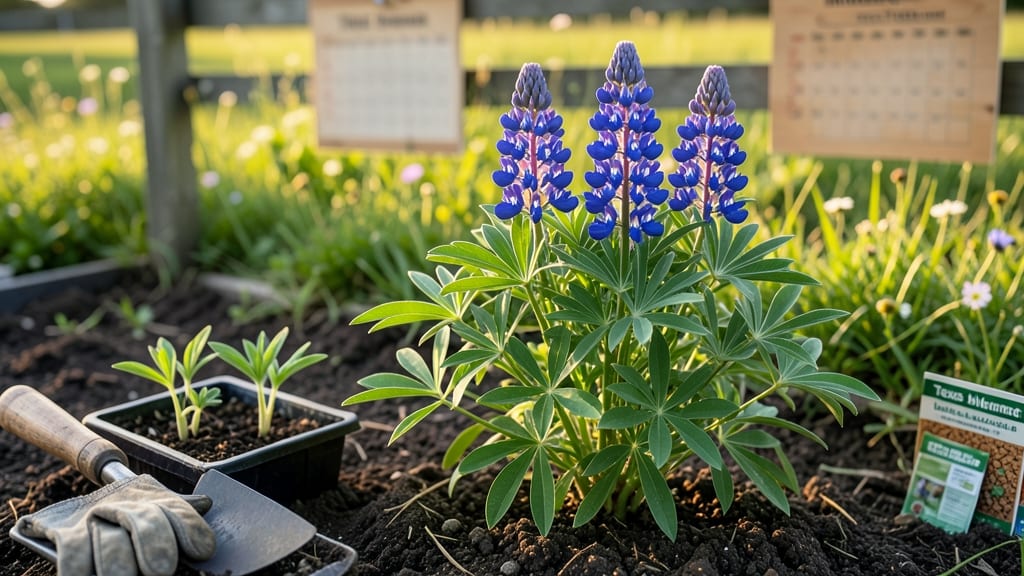
Planting a garden in Central Texas means working with a tight window between frost and scorching heat—get the timing wrong, and your hard work wilts before it even starts.
Central Texas gardeners face a unique challenge: scorching summers and unpredictable frost dates. Planting at the wrong time can mean wilted dreams instead of a thriving harvest—so timing is everything.
If you’ve ever watched your seedlings bolt in the heat or freeze overnight, you know how critical the right window is. The key lies in understanding your USDA Zone 8a-8b deadlines and choosing heat-resistant crops that thrive when others fail.
In this guide, I’ll break down the exact frost dates, the best heat-loving plants for your garden, and smart techniques to stretch your growing season—so you can enjoy fresh harvests from spring through fall.
Central Texas planting calendar: frost dates, heat zones & critical deadlines
Central Texas gardeners know that timing is everything—especially when scorching summers and unpredictable frost dates can make or break your harvest. The key to success lies in understanding USDA Zones 8a-8b, last frost dates, and how microclimates like Austin vs. Waco affect your planting schedule.
Get it wrong, and you might end up with bolted lettuce or wilted tomatoes before they even ripen.
Unlike northern climates, Central Texas offers a long growing season—but only if you plant at the right time. The average last frost date hovers around February 15, while the first frost typically arrives by November 15.
That means you’ve got roughly 210 frost-free days to work with, but heat and drought can shorten that window for heat-sensitive crops.
Here’s the golden rule: Spring planting should happen after soil temperatures hit 60°F and the risk of frost has passed. For fall planting, aim to get seeds in the ground 6-8 weeks before that first frost.
But don’t just rely on averages—your microclimate matters. A garden in Waco might be 5°F warmer than one in Austin, giving you a few extra weeks of growing time.
🌱
Let’s break down the two critical planting windows in Central Texas: spring and fall. Spring planting kicks off in late February, but don’t rush—wait until the soil warms up and the nighttime temperatures stay above 50°F.
For warm-season crops like tomatoes, peppers, and squash, hold off until April to avoid bolting or poor germination in cold soil.
Fall is your second chance to grow, but it’s even more time-sensitive. Start planting cool-season crops like broccoli, carrots, and spinach in early September, with a hard deadline of October 1 for most varieties.
If you miss this window, you’ll be left with bare soil until spring. Pro tip: Succession plant every 2 weeks in fall to stretch your harvest into December.
Don’t forget about heat-resistant crops that thrive in Central Texas’s brutal summers. Plants like okra, sweet potatoes, and black-eyed peas can handle the heat, but even they need consistent watering and mulch to survive.
For these, you can plant as late as June, but be prepared for shorter harvest windows before the next frost.
Microclimates play a huge role in Central Texas gardening. For example, Austin’s urban heat island effect can make it 5°F warmer than rural areas, while Waco’s drier climate means you’ll need to water more frequently.
If you’re in Hill Country, wait until May 1 to plant warm-season crops to avoid late frosts. Always check local frost maps and adjust your schedule accordingly.
One of my biggest mistakes early on was planting cool-season crops too late in fall. I lost an entire batch of lettuce to a surprise frost in early November. Now, I mark my calendar with critical deadlines and set reminders for succession planting.
Trust me, a little planning goes a long way in Central Texas’s unforgiving climate.
🌡️
To stay on track, use these three simple rules:
- Spring: Wait for soil to warm to 60°F and frost risk to pass.
- Fall: Plant 6-8 weeks before your average first frost.
- Summer: Focus on heat-loving crops and shade protection.
With this planting calendar and a little flexibility, you’ll maximize your Central Texas growing season
Best heat-resistant vegetables & herbs for Central Texas gardens
Central Texas summers can push temperatures past 100°F, making traditional vegetables wilt faster than a sunflower in July. But don’t let the heat scare you off—some crops thrive in this climate.
The key is selecting heat-tolerant varieties and timing your plantings right to avoid the worst of the scorching season.
From okra that grows faster than weeds to sweet potatoes that love the humidity, these 10 heat-resistant stars will keep your garden productive when most plants are struggling. Plus, herbs like rosemary and thyme not only survive the heat—they flavor it up with their aromatic oils.
- 1 Okra – Plant in late spring (after last frost) or early summer. Thrives in 90°F+ heat; harvest pods at 3-4 inches for tender texture.
- 2 Sweet Potatoes – Start slips in May-June after soil warms. Needs full sun and well-draining soil; harvest before first frost (November).
- 3 Black-Eyed Peas – Sow in late winter (February) or fall (September). Drought-tolerant once established; harvest pods when firm and plump.
- 4 Rosemary – Plant anytime soil isn’t frozen. Loves drought and full sun; prune to encourage bushiness. Harvest leaves anytime for culinary use.
- 5 Thyme – A perennial that multiplies easily. Plant in spring or fall; thrives in poor, rocky soil. Harvest sprigs for cooking or garnishes.
- 6 Peppers (Jalapeño, Serrano) – Transplant in April-May after frost risk ends. Needs consistent water but hates soggy roots. Harvest when deeply colored.
- 7 Eggplant – Start seeds indoors in March; transplant in May. Loves hot weather and rich soil. Harvest when glossy and firm.
- 8 Tomatillos – Plant in spring (March-April). Thrives in partial shade during peak summer. Harvest when paper-thin husks form.
- 9 Cucumbers (Heat-Tolerant Varieties) – Sow in late spring (May) or fall (September). Use trellises to save space. Harvest when firm and bright green.
- 10 Basil – Plant in spring or fall (avoid peak summer). Needs morning sun and evening shade. Harvest leaves to encourage bushiness.
For herbs like rosemary and thyme, timing is flexible—plant them in spring or fall to avoid the hottest months. These Mediterranean natives actually prefer drought once established, making them perfect for Central Texas’s water-conscious gardens.
Pro tip: Mulch heavily (2-3 inches of straw or wood chips) to retain moisture and keep roots cool. Water deeply in the morning to reduce evaporation, and avoid