
Planting
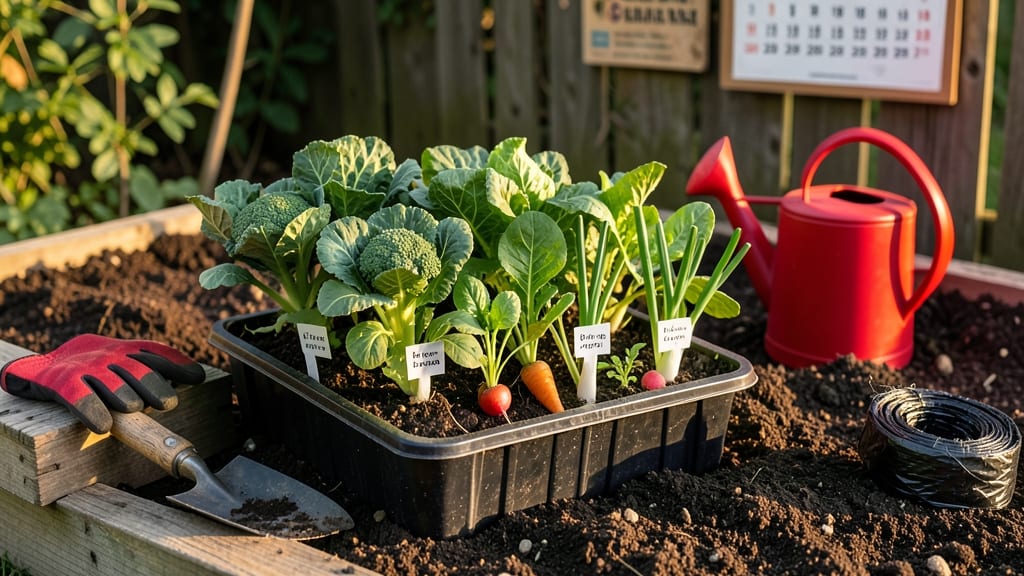
To plant a fall garden in Texas, start 8–12 weeks before your region’s first frost—typically mid-August in North Texas and late August to early September in Central and South Texas.
Texas gardeners know summer’s brutal heat can make planting feel impossible—but fall gardens thrive here, offering a second chance for bountiful harvests if you time it right. The key? Knowing exactly when to plant based on your region’s microclimate and heat-tolerant crops that outperform in Texas soil.
Miss the window, and you’ll battle scorching afternoon temps or early freezes, both of which can ruin your harvest. But get it right, and you’ll enjoy crisp greens, hearty root vegetables, and even late-season tomatoes long after most gardeners have packed up for the year.
Below, I break down the exact planting months for North, Central, and South Texas, plus the top 10 heat-tolerant crops that flourish in your fall garden—so you can skip the guesswork and grow like a pro.
Texas fall planting calendar: exact months by region (North vs. Central vs. south)
Texas’ diverse climate means your fall planting window depends heavily on where you live. While North Texas (High Plains) can start as early as late August, South Texas (Rio Grande Valley) often waits until mid-September to avoid heat stress.
Even within regions, urban areas (like Dallas) may frost 2-3 weeks earlier than rural zones due to the "urban heat island" effect.
First frost dates shift dramatically: Lubbock averages November 15, while San Antonio rarely drops below freezing until December 15. This means cool-season crops like broccoli or lettuce have 6-8 weeks of growing time in North Texas vs. 10-12 weeks in South Texas.
Planning around these windows prevents wasted effort on crops that won’t mature before cold snaps.
Below is your region-specific fall planting calendar, accounting for USDA Zones 7b-9a and Texas A&M’s heat-tolerant crop recommendations. Use this as your guide to maximize harvests before winter sets in.
For urban gardeners, adjust your timeline 1-2 weeks earlier than rural areas. Cities like Houston or Dallas experience microclimates where sidewalks and buildings trap heat, delaying frost by 5-7 days.
Use a soil thermometer to confirm when temps drop below 70°F—this is your cue to plant cool-season crops like lettuce or peas.
Pro tip: Extend your season by using row covers or cold frames in North Texas. These can push harvests 2-3 weeks later than the average frost date.
In South Texas, focus on heat-tolerant varieties like Malabar spinach or yam bean, which thrive even as temps dip into the 50s°F.
If you’re in Zone 8b or warmer, don’t overlook winter squash or broccoli raab—these can be direct-sown in October and harvested well into January. For Zone 7b gardeners, prioritize fast-maturing crops like radishes (25 days) or turnips (30 days) to avoid frost damage.
Remember: Soil temperature matters more than air temperature. Test your soil—it should be 60-70°F for cool-season crops. Use a moisture meter to check depth; 6 inches deep is ideal for seed germination.
If your soil is above 75°F, wait 1-2 weeks or use shade cloth to protect seedlings.
For container gardeners, start 2 weeks earlier than ground planting. Pots cool faster at night, mimicking the extended growing season of South Texas. Fill containers with 50% compost to retain moisture and warmth—critical for slow-starting crops like cabbage.
Lastly, mark your calendar for Texas A&M’s AgriLife Extension events in October. They offer
Top 10 heat-tolerant fall vegetables for Texas gardens (and how to extend their growing season)
Texas gardeners know that while summer’s scorching heat can stifle most plants, fall actually offers some of the most productive growing opportunities. The secret lies in selecting heat-tolerant varieties that thrive during late summer’s lingering warmth while transitioning smoothly into cooler temperatures.
These resilient crops not only survive but often produce better in Texas’s unique climate when planted at the right time.
Unlike traditional cool-season crops, these fall vegetables can handle temperatures up to 95°F while still delivering abundant harvests. The key is understanding which varieties perform best in your specific Texas region and how to extend their growing season through smart soil preparation and companion planting.
Let’s explore the top 10 heat-resistant options and proven strategies to maximize your fall garden’s potential.
To extend the growing season for these heat-tolerant crops, start with well-amended soil. Texas clay benefits from compost and aged manure to improve drainage and moisture retention.
For example, mix in 2-3 inches of compost before planting okra or sweet potatoes to help roots establish quickly in the heat. Mulching with straw or wood chips also reduces soil temperature fluctuations and conserves water.
Companion planting is another game-changer. Pairing tomatoes with basil deters pests like whiteflies, while collards and kale grow better near onions or garlic, which repel cabbage worms. For Southern peas, interplant with corn to provide shade and support for vining varieties.
These pairings not only boost yields but also create a self-sustaining ecosystem that reduces the need for chemical interventions.
For regions with early frosts (like North Texas), use row covers or cold frames to protect tender crops like kale and collards. Even a lightweight frost blanket can extend harvests by 2-4 weeks.
In South Texas, where frosts are rare, focus on succession planting every 2-3 weeks to ensure a continuous supply of fresh produce through winter.
Remember, Texas’s diverse microclimates mean planting times vary by region. North Texas gardeners should aim for August sowing, while South Texas can extend planting into early October.
Always check your local first frost date and adjust accordingly—this simple step can mean the difference between a thriving garden and a failed harvest.