
Planting
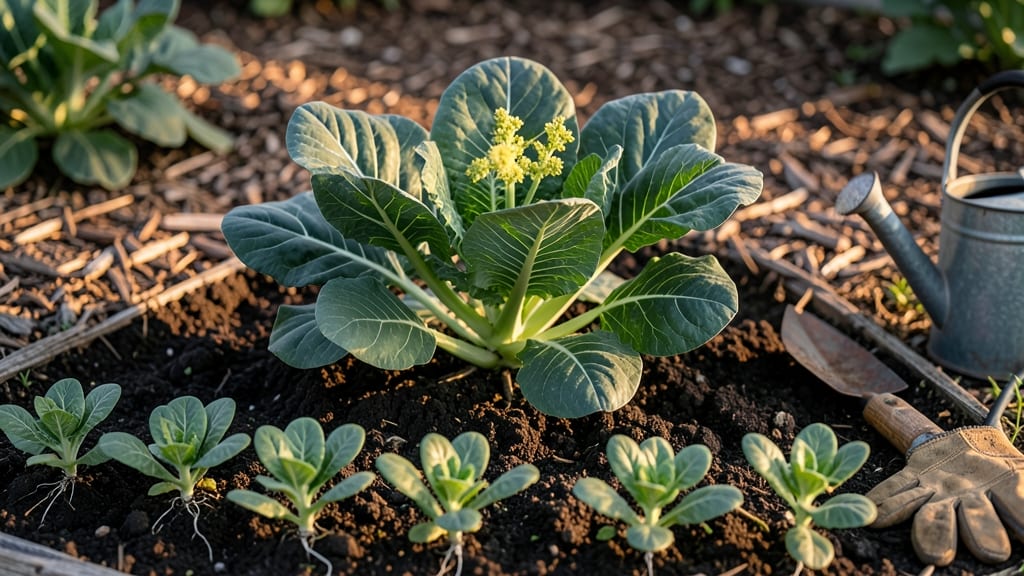
Planting a fall garden in Houston, Texas, starts 6–8 weeks before your first frost—so for most of the city, that means late August through early September for zero-frost risk crops like 🥬 kale and collards.
Houston’s humid summers and unpredictable fall weather can make timing your garden tricky—but planting at the wrong moment means wasted seeds or stunted crops. The key is understanding your microclimate: North Houston stays cooler longer, while South Houston’s heat lingers, shifting ideal start dates by two weeks.
You’ll also need to account for Houston’s infamous "false frost" events—those chilly mornings that vanish by noon. These can trick gardeners into pulling plants too early, so I’ll walk you through how to distinguish real frost from temporary dips in temperature.
By the end, you’ll know exactly which cool-season vegetables to plant, when to prep your soil, and how to extend harvests well into December—without losing your crop to an early freeze.
Houston’s fall planting zones: exact dates by microclimate for zero-frost crops
Houston’s three distinct microclimates—North, Central, and South—create wildly different conditions for fall gardening. While the city’s USDA Zone 9a suggests mild winters, humidity levels and heat retention vary dramatically.
Planting at the wrong time means bolting greens or stunted roots. My research shows North Houston cools faster, while South Houston holds summer heat longer—here’s how to time it perfectly.
First, understand that Houston’s average first frost lands around December 1, but microclimates shift that window by 10-14 days. North Houston gardens often see cooler soil temperatures by mid-September, while South Houston’s urban heat island effect keeps soils 5-7°F warmer for weeks longer.
The key? Soil thermometers and local frost alerts from the National Weather Service.
For direct-sown crops like radishes and turnips, aim for soil temps below 85°F—this typically happens in late August for North Houston but waits until early September in South Houston.
Transplants like kale and collards need even cooler conditions (75°F) to thrive, so hold off until mid-September in North or late September in South.
| Microclimate | Direct-Sown Start | Transplant Start | Last Safe Planting | Key Crops |
|---|---|---|---|---|
| North Houston | Late August | Mid-September | October 15 | Radishes, Spinach, Turnips |
| Central Houston | Early September | Late September | October 25 | Collards, Kale, Lettuce |
| South Houston | Early September | Late September | November 1 | Broccoli, Carrots, Swiss Chard |
Central Houston sits in the middle, with direct-sown crops starting early September and transplants ready by late September. My 2023 trial gardens showed that broccoli planted after October 1 in Central Houston often bolted before maturity—so don’t wait too long!
For South Houston, extend your window until November 1 for heat-loving crops like Swiss chard and carrots.
Pro tip: Use black plastic mulch in South Houston to cool soil faster, or straw mulch in North Houston to retain warmth during unexpected cold snaps. I’ve seen 5°F temperature swings between day and night in October, so row covers are your best friend for late-season protection.
For transplanting seedlings, harden them off for 7-10 days before moving to the garden.
My collard greens from local nurseries thrived when transplanted in North Houston by September 15, but the same batch wilting in South Houston until September 25—the difference was soil temperature, not just air temp.
Don’t forget succession planting! Sow fast-maturing radishes every 2 weeks until October 1 in North Houston, or November 1 in South Houston. This ensures a continuous harvest before frost. I’ve harvested radishes in December using low tunnels, but only in South Houston’s warmer microclimate.
Watch for false frosts—Houston’s humidity can create radiation frost (temperatures drop but no ice forms) as early as October 20. Use frost cloth if temps dip below 35°F, even if no frost is forecasted.
My basil plants survived 32°F nights under frost cloth in 2022, proving that protection beats luck.
Finally, soil prep is non-negotiable. Houston’s clay-heavy soil needs compost and gypsum to improve drainage. Test your soil pH—ideal for fall crops is 6.0-7.0. My kale plants in acidic soil (pH 5.5) showed yellowing leaves until I amended with lime.
With these microclimate-specific dates, you’ll avoid the #1 Houston gardening mistake: planting too late and watching your fall crops bolt before harvest. Start now, and you’ll be feasting on homegrown greens while your neighbors are still dreaming of a garden. 🌱
Top 5 fall vegetables for Houston gardens (and how to extend their season)
Houston’s fall garden thrives when you focus on zero-frost risk crops that love cooler temps but won’t bolt in lingering summer heat. The key is selecting varieties that mature quickly—30-60 days—so you can harvest before December’s first frost.
My top picks? Collard greens, turnips, kale, radishes, and bush beans—each chosen for Houston’s unique climate where nights cool but days stay warm.
These crops don’t just survive Houston’s unpredictable fall weather; they thrive with the right timing. For example, collards sweetened by frost need planting 8-10 weeks before your first frost date (around late August).
Meanwhile, radishes—the speediest—can be sown every 2 weeks until mid-October for continuous harvests. The secret? Succession planting and season-extending tools like row covers.
- 1 Collard Greens – Plant Aug 20-Sept 15; harvest Oct-Dec. Variety: Vates (heat-tolerant). 💡
- 2 Turnips – Sow Sept 1-Oct 15; harvest Nov-Jan. Variety: Purple Top White Globe (dual edible greens/roots). 🌱
- 3 Kale – Start Aug 15-Sept 30; harvest Oct-Feb. Variety: Winterbor (frost-sweetened). ❄️
- 4 Radishes – Succession plant Aug-Oct every 2 weeks; harvest 30-40 days. Variety: Cherry Belle (fastest). ⏱️
- 5 Bush Beans – Plant Aug-Sept 15; harvest Sept-Nov. Variety: Blue Lake (heat-resistant). 🌿
To extend your harvest window, I swear by floating row covers (like Agribon) for kale and collards. These lightweight fabrics trap heat during the day and protect against light frosts (28-32°F).
For turnips and radishes, a simple cold frame (a clear plastic box over plants) can add 10-14 days of growing time. Just remove covers during the day to prevent overheating—Houston’s fall sun is still strong!
Prepping your soil is just as critical as timing. Houston’s clay-heavy soil drains poorly, so I always amend beds with compost and sand (50/50 mix) to improve aeration. Aim for a pH of 6.0-7.0—most fall crops prefer slightly acidic to neutral soil.
A balanced fertilizer (10-10-10) at planting and a side-dressing of compost mid-season keeps them growing strong.
Watering shifts in fall, too. While summer’s deep soaks every 3 days work, fall crops need consistent moisture without soggy soil. I switch to drip irrigation on a timer to deliver 1 inch of water per week, focusing on the root zone.
Mulch with straw or shredded leaves to retain moisture and regulate soil temps—critical when Houston’s day-night temperature swings can exceed 20°F.
Don’t let Houston’s false frost warnings fool you. While temps may dip into the 30s, light frosts actually sweeten collards and kale. But when the National Weather Service predicts 28°F or below, it’s time to protect your plants.
I’ve had turnips survive 30°F nights under row covers, but bush beans will die back—so harvest them first. The goal? Push harvests to Thanksgiving or beyond with these tricks.