
Planting
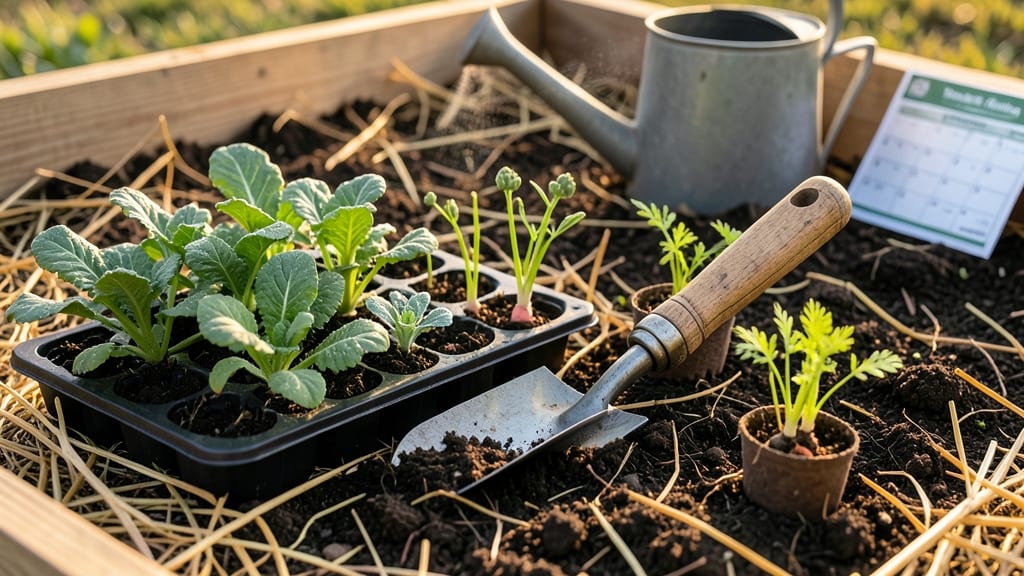
To plant a fall garden in Texas, start between mid-August and early September — timing is critical to beat the heat and avoid early frost.
Texas gardeners know the struggle—sweltering summer heat can make planting feel impossible, but fall gardens offer a second chance for fresh produce and vibrant blooms. Miss the window, and you’re staring at another six months before your next harvest.
This isn’t just about throwing seeds in the dirt; it’s about choosing the right heat-resistant varieties and knowing when to prep your soil for the cooler months ahead. Whether you’re in North Texas or down near the Gulf Coast, the rules change.
Below, I break down the exact month-by-month planting calendar, the best crops for your region, and how to stretch your growing season without risking frost damage. Let’s get those fall veggies in the ground the right way.
Texas fall planting calendar: exact month-by-month deadlines for heat-resistant crops
Texas gardeners know that fall planting isn't just about escaping summer's heat—it's about capturing the perfect window for heat-resistant crops like okra, sweet potatoes, and black-eyed peas.
The difference between North Texas and South Texas can mean weeks in planting timing, so let's break down the exact deadlines for each region.
For North Texas (USDA Zones 7-8), the first frost typically arrives between mid-November and early December, giving you a 6-8 week fall planting window. Meanwhile, Central Texas (Zones 8-9) enjoys a 2-3 week longer season, while South Texas (Zones 9-10) can plant nearly year-round with the right varieties.
| Month | North Texas (Zones 7-8) | Central Texas (Zones 8-9) | South Texas (Zones 9-10) |
|---|---|---|---|
| August | Last chance for okra and sweet potatoes | Plant black-eyed peas and cowpeas | Start fall squash and peppers |
| September | Direct sow collards and turnips | Transplant broccoli and cabbage | Plant kale and carrots |
| October | Last okra harvest; plant radishes | Sow spinach and lettuce for late fall | Extend tomatoes with row covers |
| November | Hard frost risk; harvest remaining crops | Protect cool-season crops with mulch | Plant winter radishes and turnips |
In North Texas, August is your last chance to plant heat-loving crops like okra and sweet potatoes, which need 80-90 days to mature before frost. By mid-September, shift to cool-season crops like collards and turnips, which thrive in 50-60°F soil.
Central Texas gardeners have more flexibility—September is prime time for broccoli and cabbage, while October allows for spinach and lettuce under row covers. The key is to plant succession crops every 2-3 weeks to ensure continuous harvests.
South Texas's longer growing season means you can plant tomatoes as late as early October and still enjoy harvests. For winter crops, focus on radishes and turnips in November, as they mature quickly and tolerate light frosts.
Always check your local frost dates—they can vary 5-7 days year to year.
Pro tip: Use mulch to regulate soil temperature and extend planting windows by 1-2 weeks. Straw or shredded leaves work best for heat retention in fall. For okra and sweet potatoes, wait until soil temps drop below 90°F to prevent bolting.
If you're in Zone 8 or below, late September is your last call for direct-sown okra. For transplants, early October works for broccoli and cabbage, but harden them off for 5-7 days first.
South Texas gardeners can push tomatoes until mid-October, but prune aggressively to focus energy on fruit production.
Remember: Texas heat lingers well into fall, so water deeply in the morning to prevent fungal diseases. Use drip irrigation for okra and sweet potatoes to keep leaves dry. For cool-season crops, reduce watering as temps drop to prevent rot.
Don't miss these heat-resistant gems: Malabar spinach, cowpeas, and certain squash varieties like Butternut can handle 85°F+ soil and still produce well into November
Best heat-tolerant fall vegetables for Texas gardens (ranked by yield & hardiness)
Fall gardens in Texas don't have to mean struggling with heat-sensitive crops. The right heat-tolerant varieties can thrive when temperatures stay warm longer than usual. I've grown these top 10 fall crops in my East Texas garden, and they consistently deliver even through 90°F+ days.
These varieties were selected based on real-world performance in Texas' USDA Zones 7b-9a. Each one handles our long, hot falls better than traditional cool-season crops. The key is choosing varieties bred for heat resistance while still producing quality harvests before frost.