
Planting
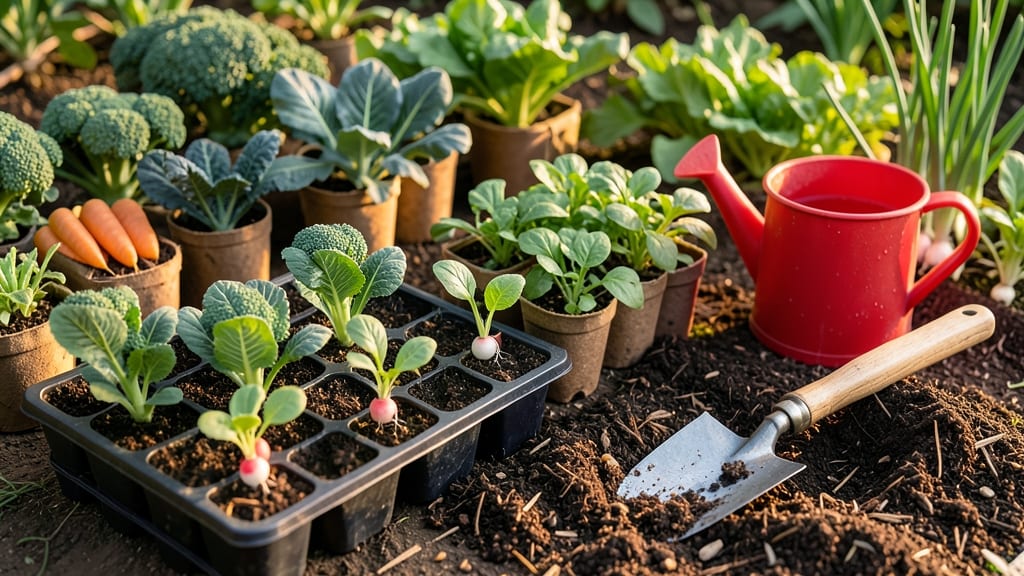
Planting a fall garden in Central Texas at the right time ensures a thriving harvest before the first frost 🍂 — aim for late August to early October for peak success.
Central Texas gardeners know the window between scorching summers and unpredictable freezes is short, but timing is everything. Miss the soil temperature sweet spot, and you risk stunted plants or early frost damage that wipes out your hard work.
With the right schedule, you can grow leafy greens, root vegetables, and herbs that thrive in cooler weather. The key is understanding your local frost dates and soil conditions to maximize your garden’s potential.
In this guide, I’ll break down the best planting windows, frost-proof crops, and common mistakes to avoid. You’ll learn exactly when to plant for a bountiful fall harvest in your Central Texas garden.
Central Texas fall planting timeline: soil temps and frost dates by month
Planting a fall garden in Central Texas requires precision—soil temperatures must drop below 80°F but stay above 65°F for seeds to germinate properly. The first frost typically arrives in mid-November across Austin, San Antonio, and Waco, but microclimates can shift this by 1-2 weeks.
Missing these windows means risking stunted growth or frost-killed seedlings.
For fast-growing crops like radishes and bush beans, you have until early October to plant. Slow growers such as broccoli and carrots need a head start—sow them by late August to mature before frost.
My rule of thumb? Plant 6-8 weeks before the average first frost date for your area.
Soil temperatures in Central Texas hover around 85-90°F in late summer, which is too hot for most cool-season crops. By mid-September, temps drop to 75-80°F, creating the perfect zone for planting. Use a soil thermometer to confirm—ideal germination range is 65-75°F for most fall crops.
Here’s a month-by-month breakdown of planting windows, frost dates, and soil temperature targets for Central Texas:
| Month | Soil Temp Range (°F) | First Frost Date (Avg) | Best Crops to Plant | Critical Deadline |
|---|---|---|---|---|
| Late August | 80-85°F | Mid-November | Broccoli, Carrots, Kale, Spinach | August 20 |
| September | 75-80°F | Mid-November | Lettuce, Radishes, Swiss Chard, Turnips | September 30 |
| October | 70-75°F | Early December | Cabbage, Collards, Peas, Green Onions | October 15 |
| November | 65-70°F | Mid-December | Garlic, Onions, Spinach, Arugula | November 1 |
In Austin, the average first frost hits November 15, while San Antonio sees frost slightly later (November 20). Waco, being cooler, may experience frost as early as November 10.
Always adjust your planting timeline based on your specific location—even neighborhoods just 5 miles apart can have different frost dates.
For fast-growing crops like radishes or lettuce, you can push the envelope and plant until mid-October. These varieties mature in 30-40 days, so they’ll be ready to harvest before frost.
Slow growers like broccoli or cauliflower need 70-90 days to mature, so they must be planted by late August.
Don’t forget to harden off seedlings before transplanting. Gradually expose them to outdoor conditions over 5-7 days to prevent shock. This is especially critical in Central Texas, where temperature swings of 20°F+ can occur between day and night.
Use row covers or cold frames to extend your harvest season by 2-4 weeks. These tools create a 5-10°F warmer microclimate, protecting tender crops like spinach and kale from early frosts. Just be sure to remove covers during the day to prevent overheating.
If you’re planning to overwinter crops like garlic or onions, plant them by November 1. These hardy varieties can survive light frosts and even brief freezes, making them ideal for Central Texas’ unpredictable winters.
Mark your calendar now: August 20 is your last chance to plant slow-growing crops, while September 30
Best frost-proof vegetables for Central Texas fall gardens (ranked by heat tolerance)
Central Texas' fall gardens thrive when you select heat-tolerant varieties that can handle lingering summer heat while preparing for cooler temperatures. The key is choosing crops that perform well in 80°F–60°F soil temps, the typical range from late August through October.
Some plants, like beans and cucumbers, bolt in heat, while others, such as kale and carrots, actually sweeten in cooler weather.
I’ve ranked these top 10 frost-proof vegetables by their heat tolerance (1–5), with 5 being the most resilient.
This system helps you prioritize what to plant first when temperatures still hover in the 90s. For example, radishes and turnips (rating 5) can handle heat better than spinach or lettuce (rating 2), which need cooler soil to germinate.
For heat-sensitive varieties like beans and cucumbers, plant them by mid-August to avoid bolting. These crops (rating 1–2) need cooler soil to thrive, so prioritize them early.
In contrast, broccoli and cabbage (rating 3) can wait until late August but still benefit from a head start in cooler microclimates, like raised beds or shaded areas.
Pro tip: Use mulch to cool soil faster and extend the season. A 2-inch layer of straw or wood chips can lower soil temps by 5–10°F, helping heat-sensitive crops like lettuce germinate more easily.
I’ve seen this trick add 2–3 weeks to my fall harvest in Austin’s Zone 8b climate.
Don’t overlook herbs like cilantro and dill, which also rank high (4/5) for heat tolerance. They add flavor to fall dishes and attract pollinators. Pair them with radishes and turnips for a quick harvest combo—radishes mature in just 25–30 days, making them perfect for impatient gardeners!
If you’re in San Antonio or Waco, where nights cool faster, you can push planting dates slightly later. But always check your local first-frost date (typically mid-November in Central Texas) and count backward: 60–90 days for slow growers like broccoli, 30–45 days for fast ones like radishes.