
Container Gardens
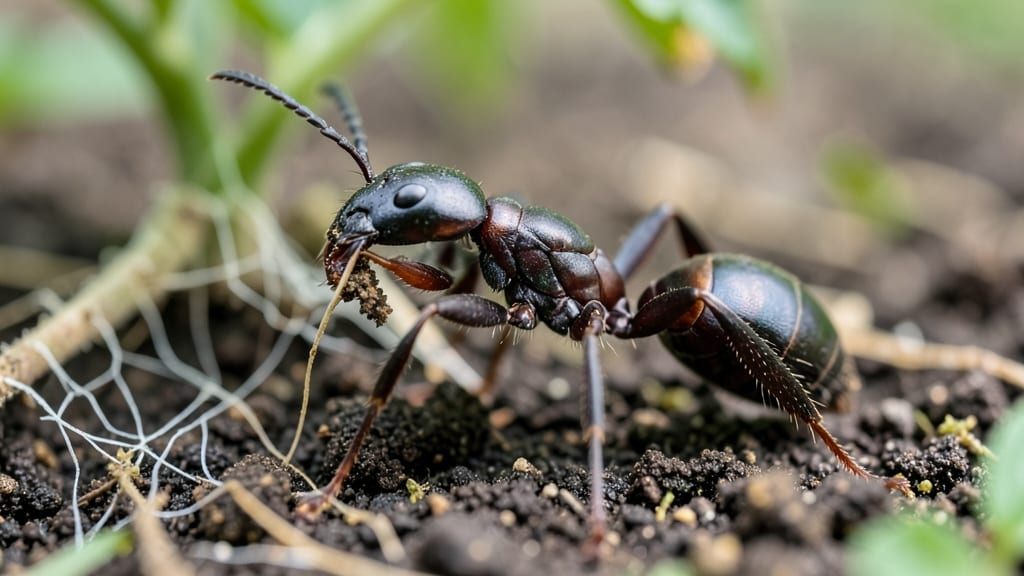
Ants are good for gardens because they aerate soil, break down organic matter, and naturally control pests like aphids and termites by preying on them or farming beneficial fungi and bacteria.
Ants act like tiny garden engineers, creating intricate tunnel systems that improve soil structure and water drainage. 🔥 These underground pathways let roots grow deeper while encouraging microbial activity that enriches nutrients.
Many gardeners actually welcome certain ant species—their presence often signals a healthy ecosystem where beneficial bacteria thrive alongside plant roots.
Beyond soil health, ants serve as natural pest regulators by targeting common garden threats like aphids and termites. Their foraging habits disrupt harmful insect colonies, reducing the need for chemical interventions.
However, not all ants are equal—some species can become nuisances by disturbing plant roots or attracting other pests, so identifying beneficial varieties matters.
💡 In This Article
- How Ants Aerate Soil and Boost Plant Growth
- Natural Pest Control: Ants vs Garden Threats
How ants aerate soil and boost plant growth
Ants create a complex network of tunnels underground that function like nature's plumbing system. Each colony can excavate up to 100 feet of tunnels per year, breaking up compacted soil and improving aeration.
These pathways allow water to drain more efficiently while giving plant roots room to expand—critical for container gardens where soil compaction is a common issue. 🌱 The tunnels also create microhabitats that support beneficial soil organisms like nitrogen-fixing bacteria and mycorrhizal fungi.
Their digging activity doesn't stop at aeration—ants also act as nutrient recyclers. When they forage for food, they carry organic matter like fallen leaves and dead insects back to their nests, where it decomposes into nutrient-rich castings.
Studies show ant colonies can process 5-10 times their body weight in organic material daily, effectively composting soil from within. This natural fertilization process releases essential nutrients like phosphorus and potassium in forms plant roots can easily absorb.
Ants play a surprising role in seed dispersal too. Some species collect seeds and store them in their nests, where they germinate later. This behavior helps spread plant diversity while ensuring seeds get planted in nutrient-rich soil.
The Argentine ant, for example, has been observed dispersing seeds of over 30 different plant species, including beneficial ground covers that suppress weeds. Their tunneling also prevents soil erosion by stabilizing loose particles.
However, not all ant species contribute equally to garden health. Carpenter ants, for instance, tunnel into wood rather than soil, potentially damaging plant supports. The key is encouraging species like pavement ants or harvester ants, which focus on soil improvement.
You can attract these beneficial workers by leaving small piles of organic matter (like leaf litter) near plants—they'll naturally incorporate it into their tunnels. 💫
The real magic happens when ants team up with other soil organisms. Their tunnels create pathways for earthworms and fungi to move through compacted soil, while their castings provide food for microbial communities.
This interconnected activity creates a thriving underground ecosystem that mirrors the diversity of a healthy forest floor—just on a smaller scale in your garden beds.
For container gardeners, this means healthier roots and stronger plants with less need for synthetic fertilizers. The ant tunnels create a sponge-like structure that holds moisture while preventing waterlogging—a common problem in pots.
Over time, this natural soil improvement can reduce the frequency of repotting as roots establish better in the enhanced growing medium. 🌿