
Pests
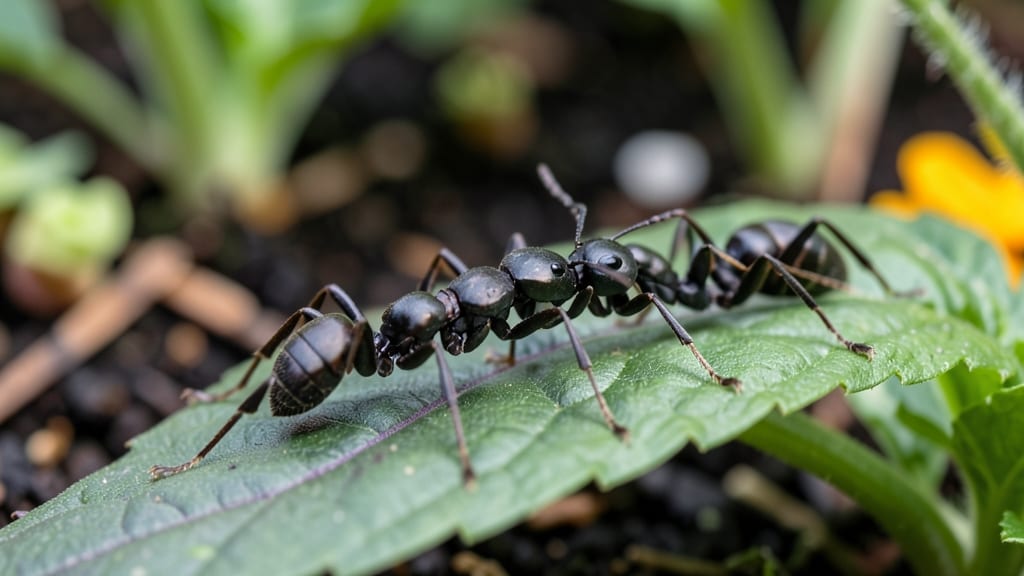
Ants in the garden are generally okay and often beneficial, as they aerate soil, control pests like aphids, and recycle nutrients—but some species can damage plants or disrupt ecosystems if overpopulated.
Most garden ants actually improve your yard by breaking down organic matter into nutrient-rich soil through their tunneling habits. 🔥 They also act as natural pest controllers, feasting on aphids, mites, and other small insects that might harm your plants.
The key is balancing their presence—while some species are harmless helpers, others like carpenter ants can chew through wood or Argentine ants may swarm and become a nuisance. I've found that observing their behavior helps determine whether they're beneficial guests or potential problems.
If you notice ants forming trails toward your plants or damaging foliage, it's time to take action. Natural solutions like sprinkling diatomaceous earth around entry points or placing citrus peels (ants dislike the scent) can deter them without harming your garden's ecosystem.
For severe infestations, consider modifying their environment—removing food sources and sealing small cracks where they might nest.
💡 In This Article
- Ecological Benefits of Garden Ants
- When and How to Manage Ant Populations Naturally
Ecological benefits of garden ants
Ants act as tiny soil engineers by creating extensive tunnel networks that improve aeration and drainage. Their burrowing can increase soil porosity by up to 30% in some areas, allowing water and oxygen to penetrate deeper.
This natural tilling process mimics what gardeners achieve with tools but happens continuously without disturbance. 🔥 The tunnels also create channels for beneficial microorganisms and earthworms to move through, enhancing nutrient distribution throughout your garden beds.
Their pest control services are particularly valuable—ants consume thousands of aphids per colony each season, preventing these sap-sucking insects from weakening your plants. They also target caterpillars, beetle larvae, and other garden pests that might otherwise go unchecked.
What's fascinating is how some ant species form mutualistic relationships with plants: leafcutter ants, for example, cultivate fungus gardens that break down plant material into nutrients, while other species protect trees like acacias in exchange for food rewards.
Ants contribute to nutrient cycling by breaking down organic matter into humus, a process that enriches soil fertility. Their waste products contain nitrogen, phosphorus, and other essential minerals that become available to plants. Studies show ant activity can increase soil nitrogen levels by 15-20% in active colonies.
This natural fertilization happens year-round, unlike synthetic fertilizers that require application and often create chemical imbalances in the soil ecosystem.
Not all ants are created equal—some species even help with pollination. Carpenter ants, while often seen as pests, play a role in breaking down dead wood, which returns nutrients to the soil.
The key is recognizing beneficial species like pavement ants or harvester ants, which primarily feed on seeds and small insects, versus destructive ones like fire ants that can harm plant roots or sting gardeners. 💫 Understanding these distinctions helps you appreciate the ecological balance ants maintain in your garden.
Ants also serve as indicators of garden health. A thriving ant population typically means your soil is rich in organic matter and your ecosystem is balanced. Their presence suggests other beneficial insects like bees and ladybugs are likely active as well.
However, if you notice sudden ant die-offs or unusual behavior, it could signal soil toxicity or pesticide overuse—another reason to appreciate their role as nature's early warning system for gardeners.