
Tools
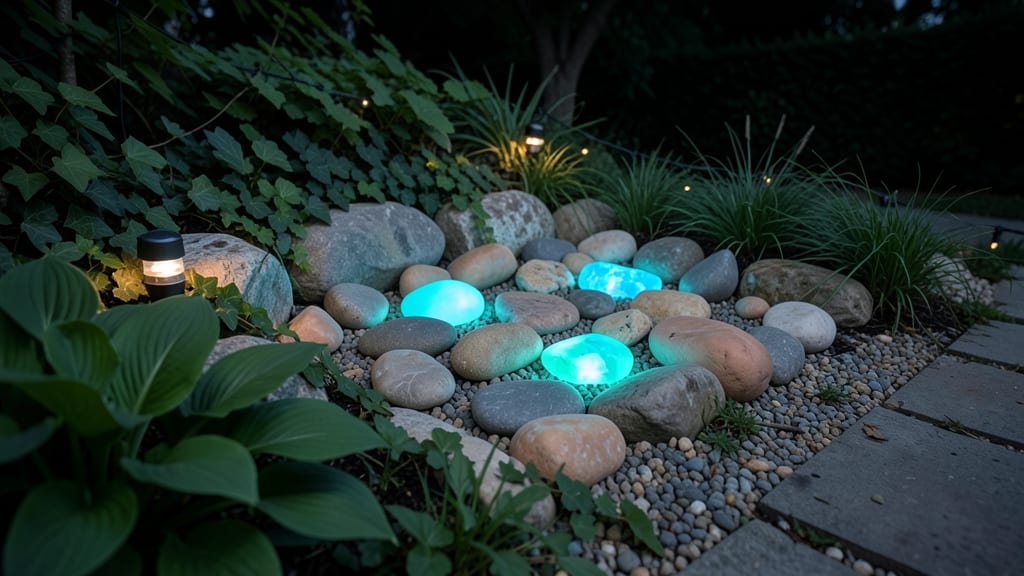
Glow in the dark stones for garden create magical nighttime visibility by soaking up sunlight during daylight hours and releasing a gentle glow once darkness falls, perfect for illuminating garden paths, borders, or decorative accents. Opt for premium phosphorescent stones to maximize brightness and longevity.
These stones work by absorbing ultraviolet light from sunlight, storing it in their molecular structure, and then slowly releasing it as visible light when darkness sets in. 🌙 The quality of the stones makes all the difference—higher-grade phosphorescent materials can maintain their glow for up to 12 hours or more after a full day of sunlight exposure.
I've found that placing them along high-traffic paths or near seating areas transforms a regular garden into a nighttime haven, especially when paired with subtle solar-powered landscape lighting.
Beyond functionality, they add a whimsical touch to outdoor spaces. For example, you can arrange them in geometric patterns along walkways or embed them near water features to create a subtle, shimmering effect.
Some gardeners even use them as safety markers for children or pets, ensuring visibility without harsh artificial lighting.
💡 In This Article
- How Phosphorescent Garden Stones Work for Nighttime Illumination
- Creative Ways to Use Glow Stones in Garden Design
How phosphorescent garden stones work for nighttime illumination
Phosphorescent garden stones harness a fascinating scientific process called photoluminescence, where they absorb ultraviolet (UV) light from sunlight and store it in their chemical structure. The key ingredient is usually strontium aluminate or zinc sulfide, both of which contain rare earth elements that trap energy when exposed to UV rays.
When darkness falls, these excited electrons gradually return to their stable state, releasing visible light—typically in shades of green or blue—without needing an external power source. 🌟
The duration of the glow depends on two critical factors: sunlight exposure and material quality. Stones need at least 6-8 hours of direct sunlight daily to fully charge, with peak performance after a full day of exposure.
Premium-grade stones can maintain visibility for 8-12 hours in complete darkness, while lower-quality options may fade within 2-4 hours. For example, a 1-inch diameter stone with strontium aluminate can emit up to 100 lumens of light initially, though this decreases over time as the energy depletes.
What sets high-performance stones apart is their ability to maintain brightness in low-light conditions. The best materials have a phenomenon called "afterglow persistence," where the light emission slows gradually rather than dropping abruptly. This creates a more consistent illumination—ideal for garden pathways where sudden darkness could be hazardous.
I've noticed that stones placed in shaded areas (like under trees) glow far dimmer because they receive less UV light, so positioning matters just as much as material quality. ✨
Temperature also plays a subtle but important role. Cooler nights (below 60°F) help preserve the glow longer because heat accelerates the release of stored energy. That's why these stones work exceptionally well in temperate climates where nights are cool but days are sunny.
In contrast, hot, humid environments can reduce glow duration by up to 30% due to increased molecular activity.
For maximum effectiveness, pair your stones with reflective surfaces or light-colored pathways. The contrast between the glowing stones and dark soil or gravel makes them more visible, similar to how reflective road markers enhance nighttime visibility.
Some advanced gardeners even combine phosphorescent stones with solar-powered LED lights for layered illumination, creating a multi-tiered glow effect that lasts all night. 💫
One common misconception is that all glow-in-the-dark stones perform equally. In reality, the brightness and duration vary widely—some budget options fade within hours, while premium stones can last through multiple nights. The difference lies in the concentration of phosphorescent compounds and the presence of stabilizing additives that prevent premature fading.