
Pests and Diseases
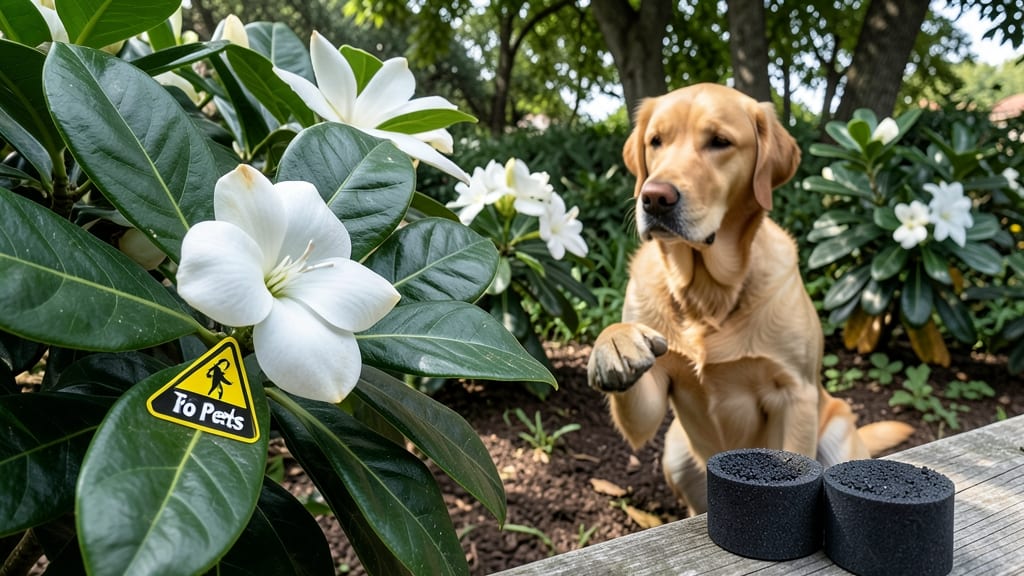
Gardenias are toxic to pets and humans because their leaves, flowers, and seeds contain harmful compounds like saponins and grayanotoxins, which can trigger vomiting, diarrhea, and skin irritation upon contact or ingestion.
Gardenias contain these dangerous compounds naturally, and even small amounts can cause reactions in pets like dogs and cats. 🐾 The severity depends on how much is consumed or absorbed through skin contact—leaves are particularly potent.
I’ve seen cases where pets chewed on gardenia plants and developed drooling, lethargy, or even seizures in extreme situations. While humans rarely experience severe reactions, sensitive skin may still react to sap or pollen.
For pet owners, the key is prevention: keep gardenias out of reach or opt for non-toxic alternatives like jasmine or hibiscus. If accidental exposure happens, rinse the area thoroughly and contact a vet immediately. 🌿 Understanding these risks helps you enjoy gardenias safely while protecting your furry family members.
💡 In This Article
- Toxic Compounds in Gardenias and Their Effects on Pets
- Safe Gardenia Care for Pet-Friendly Gardens
Toxic compounds in gardenias and their effects on pets
Gardenias produce two primary toxic compounds that pose risks: saponins and grayanotoxins. Saponins act as natural insecticides, creating soapy lather when mixed with water and disrupting cell membranes in pets' digestive systems.
Grayanotoxins, found in higher concentrations in leaves and stems, interfere with nerve and muscle function by blocking sodium channels—similar to how some neurotoxins work. 🔥 These compounds aren't just in leaves; even the fragrant white flowers contain measurable amounts, though typically less than foliage.
The severity of reactions depends on exposure routes. Oral ingestion (eating leaves/flowers) triggers immediate gastrointestinal distress in pets: vomiting within 30-60 minutes, followed by diarrhea containing blood or mucus in severe cases.
Dermal contact causes milder but still concerning symptoms—skin irritation, excessive drooling, or paw licking that leads to secondary infections. Cats are particularly vulnerable due to their grooming habits, which can spread toxic sap from paws to mouths.
A 50-gram ingestion (about 2-3 medium leaves) can cause noticeable symptoms in a 10-pound cat.
Symptoms escalate based on dosage and pet size. Early signs include lethargy, loss of appetite, and vomiting, while advanced poisoning may progress to seizures or cardiac abnormalities within 6-12 hours of exposure. The grayanotoxins' mechanism—blocking sodium channels—explains why some pets experience muscle tremors or weakness.
Unlike some plant toxins that cause liver damage, gardenia poisoning primarily affects the nervous and digestive systems. 💛 This makes early intervention critical, as delayed treatment can lead to dehydration or electrolyte imbalances.
Interestingly, the toxicity varies by plant part. Seeds contain the highest concentration of grayanotoxins, while flowers have more saponins. This explains why pets chewing on stems often show neurological symptoms (grayanotoxins), while those eating flowers primarily experience digestive upset (saponins).
The plant's natural defense mechanism is so effective that even dried gardenia leaves retain toxicity for months—making old plant debris just as dangerous as fresh growth.
For comparison, gardenia toxicity falls between mild (like lilies) and moderate (like oleander) on the pet poison scale. While not as deadly as foxglove, repeated small exposures can accumulate in pets' systems, leading to chronic issues.
The ASPCA categorizes gardenias as "toxic to dogs and cats," with ingestion of 1-2 leaves potentially causing noticeable reactions in small pets. 🌟 This classification helps pet owners understand the real-world risks beyond just "toxic" labels.
Understanding these mechanisms helps explain why some pets show symptoms hours after exposure—the grayanotoxins have a delayed onset compared to saponins. This delayed reaction is why pet owners often underestimate the danger until symptoms appear.
The key takeaway: even small amounts of gardenia plant material can trigger serious health issues in pets, requiring immediate veterinary attention if ingestion occurs.