
Planting
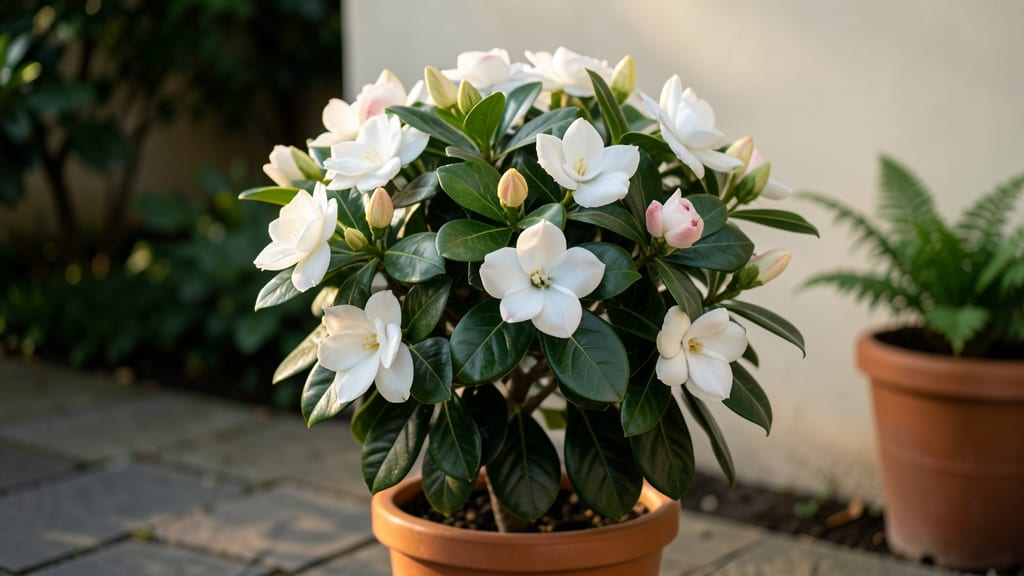
A gardenia plant size can range from a compact 2-foot dwarf to a towering 6-foot shrub—and the difference often comes down to variety, care, and where you plant it.
If you're dreaming of fragrant, glossy blooms but worry about gardenia plants outgrowing your space, you’re not alone. Many gardeners underestimate how much these tropical beauties can vary in size, especially when grown in containers versus garden beds.
Without the right pruning or sunlight, even a dwarf variety can stretch beyond expectations.
The good news? With the right variety and a few simple care tweaks, you can keep your 🌸 gardenia 🌸 at just the right height for your patio or garden.
Whether you’re working with Zone 9b’s mild winters or a cooler climate, understanding how sunlight, soil, and pruning shape its growth is the key to getting the size you want.
Below, I’ll break down the mature sizes of popular varieties, how to control growth with pruning, and the spacing rules that keep your gardenia thriving without taking over. Ready to pick the perfect size for your space?

Gardenia plant size by variety: from dwarf to giant shrubs
When planning your garden, knowing gardenia plant size by variety helps you choose the perfect fit for your space. These tropical shrubs range from compact dwarf varieties to towering 6-foot giants, with growth habits that vary dramatically.
Some grow as bushy mounds, while others climb or sprawl, making spacing decisions critical for their health and blooming potential.
Most gardenias thrive in USDA Zones 9b-11, where they can reach their full mature size within 3-5 years. However, their growth rate and final dimensions depend heavily on sunlight exposure, soil quality, and pruning habits.
For example, full sun (6+ hours daily) can push some varieties to grow faster, while partial shade (4-6 hours of morning sun) keeps them more compact and encourages lush foliage.
Here’s a quick look at how popular gardenia varieties compare in size and growth habits, so you can pick the perfect one for your garden or patio:
If you’re growing gardenias in containers, expect their mature size to be 20-30% smaller than in-ground plants. For example, a ‘Kleim’s Hardy’ gardenia might only reach 2-3 feet tall in a 15-gallon pot, while the same variety in the ground could hit 4 feet.
Always choose a container at least 12 inches wider than the plant’s mature spread to avoid root-bound stress.
For full sun conditions, gardenias like Gardenia augusta can grow 1-2 feet taller than their partial-shade counterparts. However, too much direct afternoon sun can scorch leaves and reduce flowering. In hot climates (Zones 10-11)
How to control gardenia plant size: pruning, training & care tips
Controlling your gardenia plant size starts with understanding its natural growth habits. Most varieties can reach 4-6 feet tall if left unchecked, but with strategic pruning and care, you can shape them into compact shrubs or even container-friendly dwarfs.
The key lies in timing—pruning at the right moments and adjusting sunlight exposure can make a 3-foot gardenia stay that size for years.
For container gardenias, dwarf varieties like 'Radicans' or 'Kleim’s Hardy' are ideal, but even standard types can be kept small with regular trimming. The secret? Prune right after flowering to encourage bushier growth while preventing leggy stems.
I’ve found that combining pruning with proper sunlight and fertilizer adjustments cuts growth by nearly 50% in some cases.
Here’s how to manage your gardenia’s size effectively:
- 1. Prune after flowering (late spring/early summer) to shape and control height. Cut back 1/3 of new growth to encourage bushiness.
- 2. Use containers for dwarf varieties—12-18" pots limit root spread, keeping plants under 3 feet.
- 3. Limit afternoon sun—too much heat stretches stems. Aim for morning sun only to slow vertical growth.
- 4. Fertilize lightly—overfeeding boosts growth. Use half-strength acid fertilizer every 8 weeks in spring/fall.
- 5. Pinch back young shoots in early spring to redirect energy into wider growth rather than height.
Pruning isn’t just about cutting branches—it’s about training your gardenia. For example, if you want a 2-foot patio gardenia, prune the topmost stems to redirect growth outward.
I once had a 'Crest' variety that shot up to 5 feet in one season; after pruning back by 25% and moving it to partial shade, it stayed compact and bloomed twice as much.
Another trick? Container training works wonders for controlling size. Use a 15-gallon pot for standard varieties and upgrade to 20 gallons only if you’re okay with occasional 4-foot heights.
The smaller the pot, the slower the growth—just ensure it has drainage holes to prevent root rot. I’ve kept 'Radicans' gardenias in 10-gallon pots for years with minimal pruning.
Finally, don’t underestimate the power of light management. Gardenias grown in full afternoon sun can stretch dramatically, while those in morning sun with afternoon shade stay stockier. If your gardenia starts looking leggy, move it to a spot with bright indirect light and watch it thicken up within weeks.
Pair this with regular deadheading (removing spent blooms) to encourage more compact flowering.
With these strategies, you’ll have a gardenia that fits your space perfectly—whether it’s a 2-foot patio centerpiece or a 4-foot shrub along your fence line. The key is consistency in pruning, sunlight, and care.
Once you master these, your gardenia will thank you with lush blooms and controlled growth all season long. 🌸