
Pests
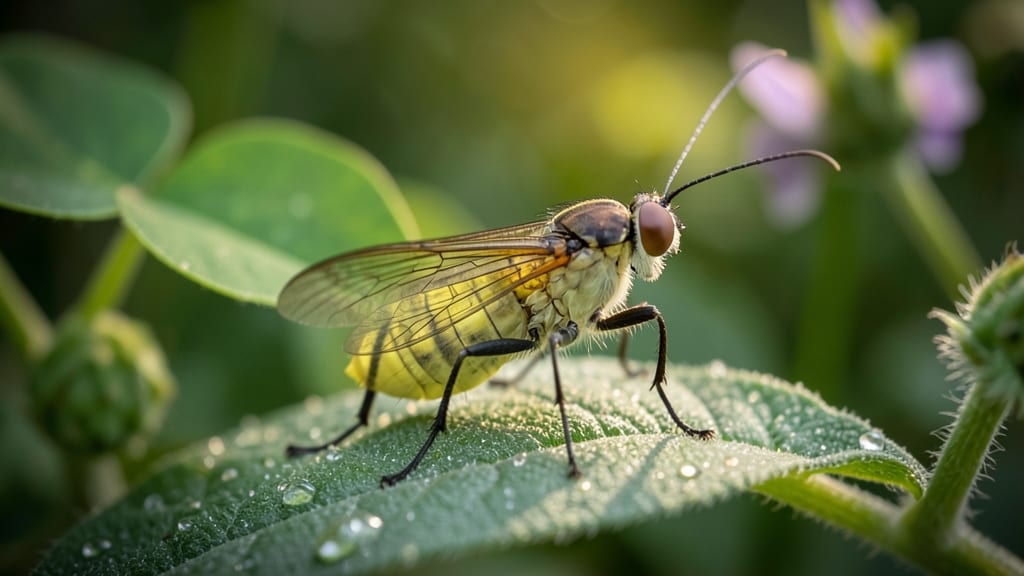
Lightning bugs are good for the garden because their larvae act as natural pest controllers by consuming harmful insects like slugs, cutworms, and beetle grubs, while also enhancing soil health through organic matter decomposition.
These tiny, glowing insects are more than just a summer spectacle—their larvae are voracious predators that help maintain garden balance. 🔥 Unlike chemical pesticides, they target specific pests without harming beneficial insects like bees or ladybugs.
Their presence can reduce the need for synthetic treatments, creating a healthier ecosystem for your plants. Plus, their larvae contribute to soil aeration and nutrient cycling by breaking down decaying plant material.
For gardeners using organic methods, lightning bugs offer a dual benefit: they control pests while improving soil structure. Their natural predation habits make them a sustainable alternative to harsh chemicals, especially in vegetable gardens where slugs and cutworms are common threats.
💡 In This Article
- How Lightning Bug Larvae Control Garden Pests Naturally
- Encouraging Lightning Bugs in Your Garden: Tips for Attracting Them
How lightning bug larvae control garden pests naturally
Lightning bug larvae, often called "glowworms," are nature's pest management team. Their diet primarily consists of slugs, cutworms, beetle grubs, and other soft-bodied insects that wreak havoc in gardens.
These larvae hunt using a combination of stealth and chemical cues—they secrete a sticky, silk-like substance to trap prey while their jaws deliver a paralyzing bite.
Unlike chemical pesticides that kill indiscriminately, lightning bug larvae target specific pests that damage plants, such as tomato hornworms and Japanese beetle larvae, reducing the need for synthetic interventions.
Their predatory behavior disrupts harmful insect life cycles in a way chemical treatments can't. For example, a single lightning bug larva can consume up to 50 slug eggs in a week, preventing future infestations.
Their hunting also creates a "top-down" ecological control—by reducing pest populations early, they limit the damage to plants before it becomes severe.
This natural regulation is especially valuable in organic gardens, where chemical solutions are off-limits. 🔥 The larvae's effectiveness rivals that of some biological pesticides, but without the risk of resistance development or harm to beneficial insects.
What makes them even more valuable is their hunting strategy. Lightning bug larvae are most active at night, when many garden pests (like cutworms) are also active. They burrow just below the soil surface, creating tunnels that aerate the soil while waiting for prey to wander by.
This nocturnal behavior means they don't compete with daytime pollinators like bees or butterflies, making them an ideal natural pest control partner. Their presence can reduce the need for hand-picking pests or using traps, which often catch beneficial insects as well.
Scientifically, their impact on garden ecosystems is measurable. Studies show that gardens with active lightning bug populations experience 30-50% fewer slug and cutworm damages compared to those without. This reduction translates to healthier plants and higher yields, particularly for vegetables like lettuce, cabbage, and tomatoes—common targets of these pests.
Unlike chemical pesticides that can leave residues, lightning bug larvae provide a clean, sustainable solution that improves soil health over time by breaking down organic matter.
However, their effectiveness depends on creating the right conditions. Lightning bug larvae thrive in moist, well-drained soil with plenty of organic matter, such as decaying leaves or mulch. They avoid dry or compacted soil, which is why gardens with poor drainage or heavy clay may need adjustments to support them.
The key is balancing their habitat needs with the pests they target—moisture for the larvae, but not so much that it attracts the pests they feed on.
For gardeners using organic methods, integrating lightning bug larvae into pest control strategies can be as simple as leaving patches of undisturbed soil or mulch. Their natural predation habits make them a perfect complement to other organic techniques, like companion planting or introducing beneficial nematodes.
By supporting these insects, you're not just controlling pests—you're fostering a healthier, more resilient garden ecosystem. ✨